
NEW
Font size
S
M
L
XL
 Worksheets
Particle diagrams
Total questions: 28
Worksheet time: 19mins
Name
Class
Date
1.

How do gases behave in a container?
a)
Cluster together
b)
form a solid
c)
They take the shape of their container
d)
leak out
2.
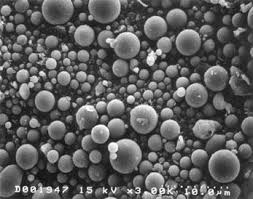
Which states allow easy flow of particles
a)
Gas and Solid
b)
Gas and Liquid
c)
Solid and Liquid
d)
Gas only
3.
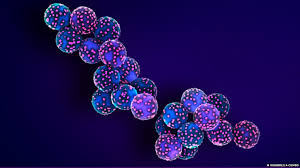
which of the following would be most stolid?
a)
Ice
b)
Jelly
c)
Honey
d)
Tomato Sauce
4.
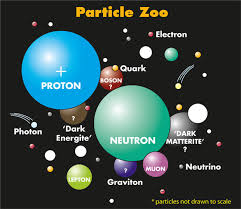
How do materials change from one state of matter to another?
a)
They gain or lose energy
b)
They break appart
c)
The particles get stickyer
d)
They are magnetised to themselves
5.
What sorts of things are made of particles?
a)
Everything in the universe
b)
Anything solid
c)
Water
d)
Most solids, liquids and gases.
6.
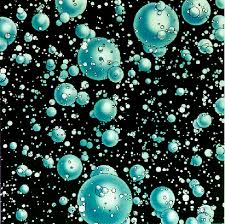
Which of the following is a property of a liquid
a)
Can't be compressed
b)
Can be compressed
c)
Particles are far appart
d)
Particles hold the object's shape
7.
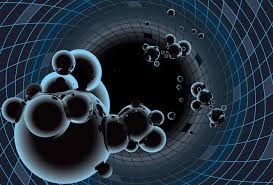
Can Solids be compressed?
a)
No
b)
Yes
c)
Sometimes (it depends what it's made of)
d)
Generally no
8.
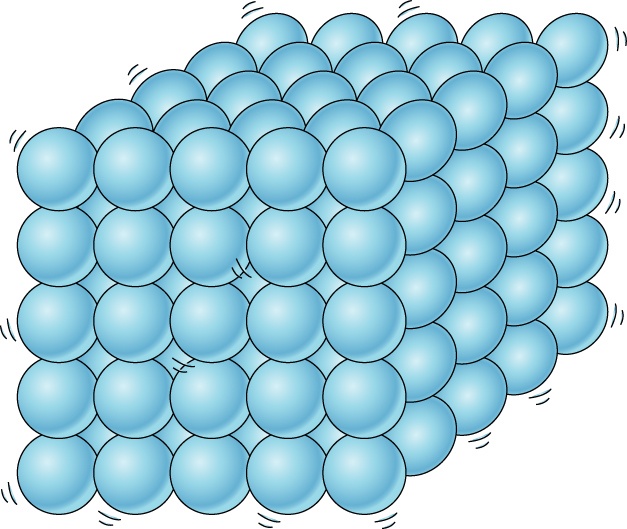
Which description best matches this particle model?
a)
Closely packed and can't move a lot.
b)
Particles are close together but can move a little.
c)
Particles have lots of energy and can move around.
9.
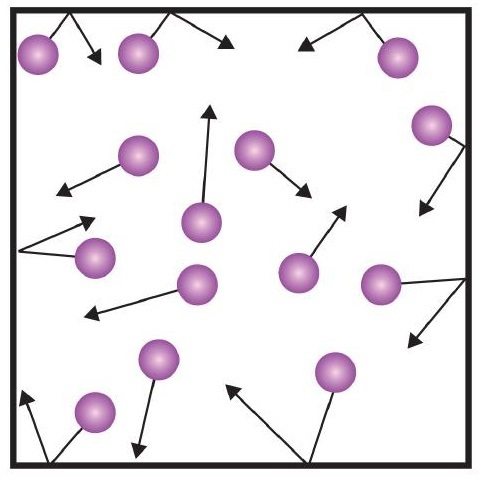
Which description best matches this particle model?
a)
Closely packed and can't move a lot.
b)
Particles are close together but can move a little.
c)
Particles have lots of energy and can move around.
10.
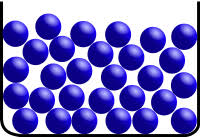
Which description best matches this particle model?
a)
Closely packed and can't move a lot.
b)
Particles are close together but can move a little.
c)
Particles have lots of energy and can move around.
11.
Which description best describes what a particle model shows?
a)
How many particles are in a solid, liquid or gas.
b)
How the particles in a solid, liquid or gas are arranged.
c)
If there are any particles in a solid liquid or gas.
12.
Which state of matter can be compressed?
a)
Solid
b)
Liquid
c)
Gas
13.
What happens when my glass of water is sitting in the sun and disappears into a gas?
a)
evaporation
b)
burning
c)
melting
d)
freezing
14.
What term describes a solid changing to a gas?
a)
Deposition
b)
Sublimation
c)
Evaporation
d)
Freezing
15.
What term describes a liquid changing to a solid?
a)
Deposition
b)
Sublimation
c)
Evaporation
d)
Freezing
16.
______________________ takes place when a liquid changes to a solid.
a)
freezing
b)
melting
c)
boiling
d)
sublimation
17.
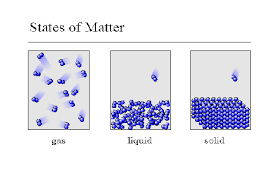
At higher temperatures
a)
particles in an object have less energy
b)
particles in an object move faster
c)
a gas contracts
18.
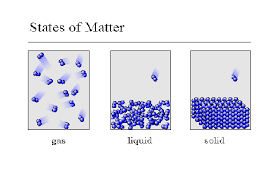
A gas
a)
has a definite shape but no definite volume
b)
has a definite volume but no definite shape
c)
has fast-moving particles
19.

Particles in a ______________________ move quickly and are far apart.
a)
gas
b)
solid
c)
liquid
20.

Particles of a liquid
a)
are tightly packed together and stay in a fixed position.
b)
are free to move around one another but still touch.
21.

The molecules in the picture are tightly held together with little movement. They have shape and energy. Therefore, the picture represents _________.
a)
solid
b)
liquid
c)
gas
d)
plasma
22.
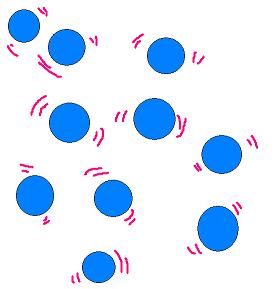
Which state of matter does this picture show?
a)
Solid
b)
Liquid
c)
Gas
23.

What is the correct order of the states of matter?
a)
Solid, Liquid, Gas
b)
Gas, Liquid, Solid
c)
Liquid, Gas, Solid
d)
Solid, Gas, Liquid
24.

Rank these in order from least dense to most dense.
a)
Solid, Liquid, Gas
b)
Liquid, Gas, Solid
c)
Gas, Solid, Liquid
d)
Gas, Liquid, Solid
25.
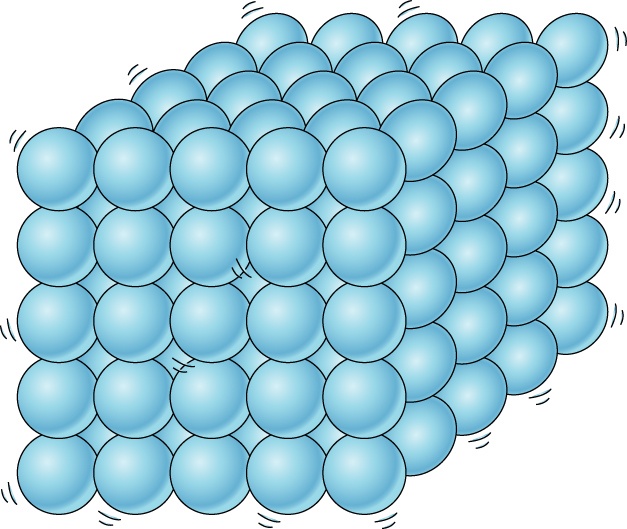
What state of matter?
a)
Solid
b)
Liquid
c)
Gas
d)
Plasma!!!
26.
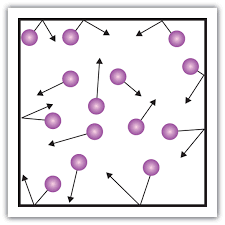
What state of matter?
a)
Solid
b)
Liquid
c)
Gas
27.
Basic state of matter with the greatest amount of energy.
a)
solid
b)
liquid
c)
gas
28.
What happens to particles when their temperature increases?
a)
The particles move slower
b)
The particles move faster
c)
The particles lose mass
d)
The particles gain mass
Reset

