
 Worksheets
HISTORICAL BACKGROUND OF PHILIPPINE ARTS
Total questions: 10
Worksheet time: 4mins
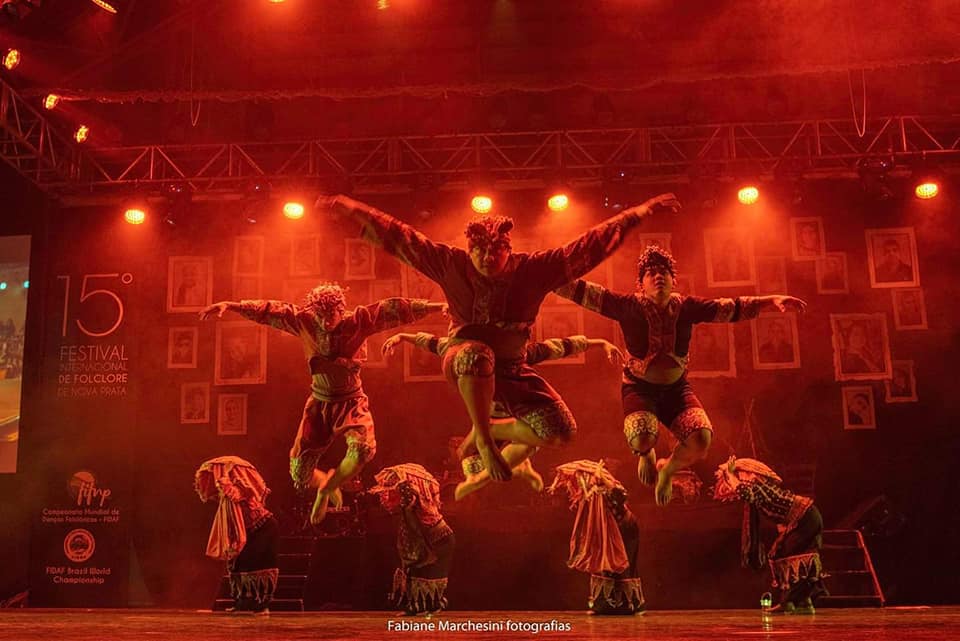
Filipinos developed choreographies by mimicking movements of animals
Ethnic Tradition
Spanish Tradition
American Colonial and Contemporary Tradition
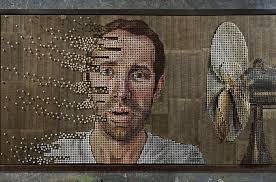
Technological innovation affected art making resulting to non-conventional artworks.
Ethnic Traditions
Spanish Tradition
American colonial and Contemporary traditon
None of the above
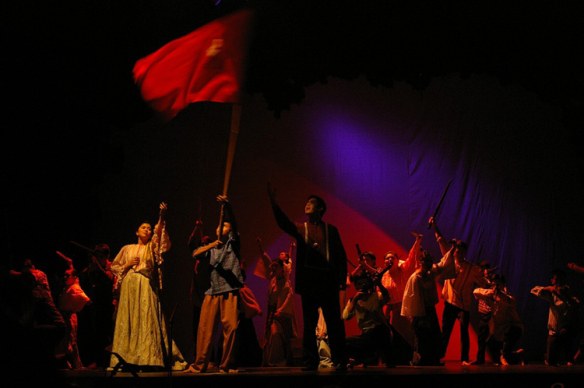
Zarzuela and operas become popular in this period
Ethnic Tradition
Spanish Tradition
American colonial and Contemporary Tradition
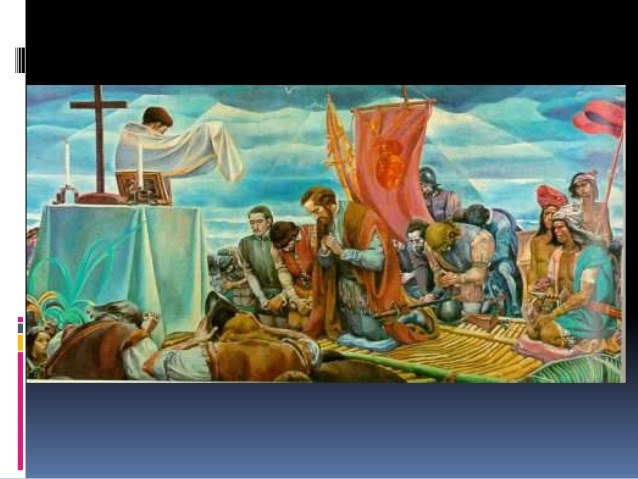
Religion and secularisation influenced all art forms
American colonial and contemporary tradition
Ethnic Tradition
Spanish Tradition
None of the above
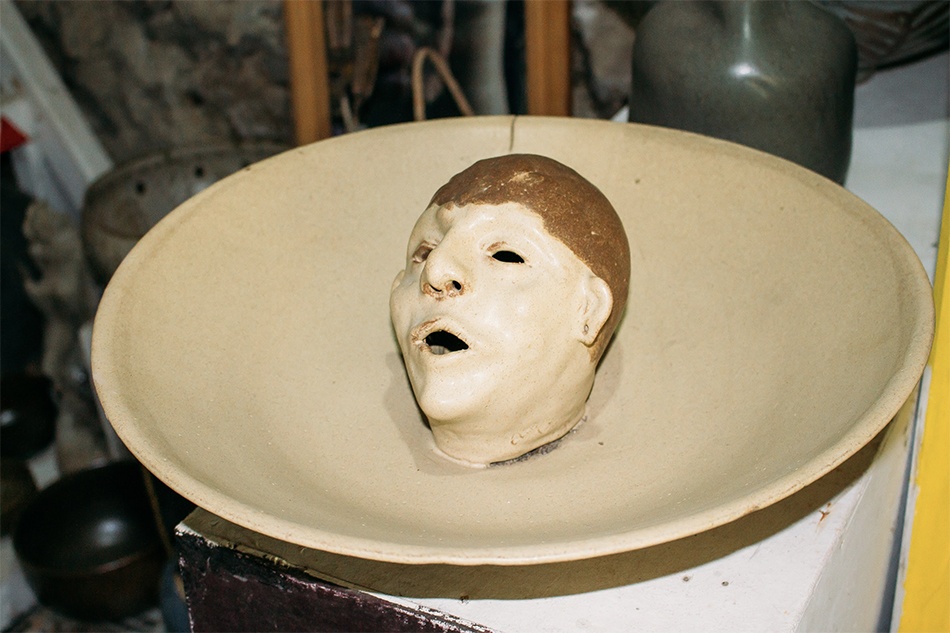
Pottery, weaving, wood carving, and metal crafting are the forms of visual arts.
American colonial and contemporary tradition
Spanish Tradition
Ethnic Tradition
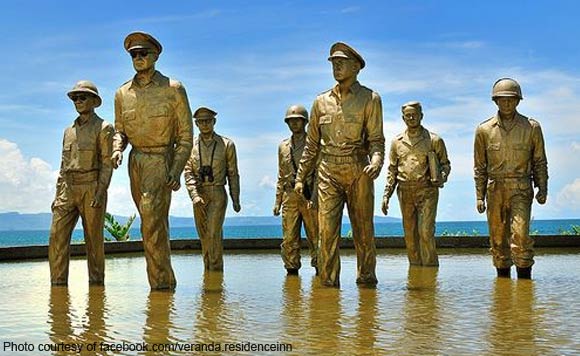
Painting and sculpture were the most popular forms of visual arts
Spanish tradition
Ethnic tradition
American colonial and contemporary tradition

Filipinos studied abroad and later on introduced new ideas in art making
American colonial and contemporary tradition
Spanish tradition
Ethnic tradition
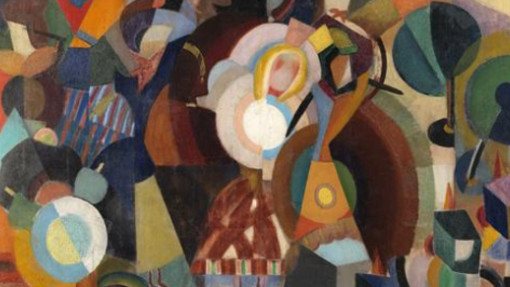
Avant-garde artworks entered the scene
Spanish tradition
American colonial and contemporary tradition
Ethnic tradtion
Bricks and stones were predominantly used in constructing buildings
Spanish tradition
Ethnic Tradition
American colonial and contemporary tradition
The geographical location and experiences of the Filipinos were the main factors in art production.
Spanish tradition
American colonial and contemporary tradition
Ethnic tradition

