
 Worksheets
Civil War: Union and Confederacy
Total questions: 30
Worksheet time: 10mins

The North had about __________ of the nation's factories.
80%
75%
90%
70%
The North had _____________ crops than the South.
less
more food
the same amount
more
The South had fewer factories than the North. This hurt them by having less...
clothing
guns
ammunition
all of the above
How did railroads impact the war?
The South had very few; therefore, they had less technological problems to hurt them in the war.
The North had about 21,000 miles of railroad, which would help them move troops and goods.
The North's railroad's only went to sea ports.
The South had the most railroads due to the transportation of crops.
One weakness of Jefferson Davis was...
he had no military experience.
he was not very devoted to the secessionist cause.
he was very arrogant.
he was never able to form a strong, single nation out of 11 strongly independent states.
The South's greatest strength was...
its president
its geography
its military leadership
its economy
Robert E. Lee...
fought for the Confederacy even though he was against slavery because he was from Virginia.
was against slavery, so he stayed and fought for the Union.
was pro-slavery, so he fought strongly for the Confederacy.
was a weak military leader and the main reason why the South lost the Civil War.
Invention made that allowed Lincoln to follow battles in real time.
Steamboat
Telephone
Telegraph
Computer

Why did the Southern states succeed from the Union?
The leaders of the south wanted states to make their own laws.
The southern states had economies based on slavery.
Southern states were worried that they would grow less powerful as the U.S.A. expanded westward.
Abraham Lincoln had proposed a bill that would tax all slaves in the south.
Jefferson Davis promised a new deal for the Confederate states.
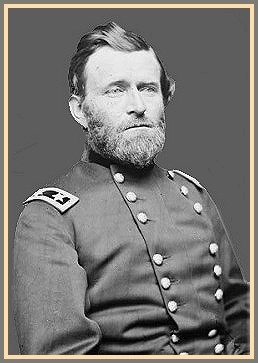

What is the difference between a rifle and a musket?
A rifle has a smooth barrel, which allows the bullet to travel faster than a musket.
The rifle has grooves in the barrel, making the gun more accurate than a musket.
A musket has grooves in the barrel, making the gun more accurate than a musket.
A musket is longer than a rifle, making it more accurate.
How were cannons used on a the battlefield?
Cannons were used to signal troops so they knew when and where to move.
Cannons were used to sink ships and submarines.
Cannons were used to knock down walls or other fortifications.
Cannons were used to take out enemy sharpshooters.
What is an ironclad?
A ship that was protected using iron and steel.
A ship that was made of iron and steel that could submerge under water and surprise enemy ships.
A balloon that had iron and steel fortifications, that was used to spy on the enemy.
A term used for the ironclad cables that allowed the telegraphs to be sent.
How could wealthy men in the north avoid fighting in the war?
Men could pay $300 to avoid fighting in the war.
Men could pay someone else to take their place.
Men born to wealthy families could get a letter declaring their importance from politicians, thus excusing them from the war.
Northerners who owned more than 20 slaves did not have to fight in the war.
How could wealthy men in the south avoid fighting in the war?
Men could pay $300 to avoid fighting in the war.
Men could pay someone else to take their place.
Men born to wealthy families could get a letter declaring their importance from politicians, thus excusing them from the war.
Men who owned more than 20 slaves did not have to fight in the war.
How did women contribute to the war effort?
Served as nurses in the army.
Worked on farms
Worked in factories
Contributed money to the war effort
Gave military advice for generals during the war
Why did the Union ban African-Americans from fighting?
Slaves were property, so Abraham Lincoln did not want to risk people's property.
Generals worried that slaves would use their weapons against the Union to try to escape to freedom.
Abraham Lincoln was worried that border states would secede if slaves were allowed to fight.
Slaves refused to fight.
What was the most common treatment for injured Civil War soldiers?
Antibiotics
Rest
Amputation
Holistic treatment
How many soldiers died of disease during the Civil War?
1 Million
100,000
620,000
400,000
What kind of information did spies provide?
Troop Movements
Rumors about the important generals
Information on weaponry
Number of troops
Which side had an advantage when it came to spy networks?
The Union
The Confederacy
Both sides had well developed spy networks.
What would happen if a spy was caught?
The spy would be sent to prison.
The spy would be executed.
The spy would be forced to fight for the opposing side.
The spy would have their arm amputated.
This Union General was known for is "Total War" tactics, in which he would try to defeat the Confederacy in battle and from an economic standpoint.
"Stonewall" Steve Austin
Robert E. Lee
William Sherman
Ulysses. S. Grant

