
Font size
 Worksheets
Module 6A: The Renaissance
Total questions: 20
Worksheet time: 10mins

Which two classical civilizations did the Renaissance view as worthy of study? (Select two)
Egypt
Mesopotamia
Greece
Sumaria
Rome

Where was the birthplace of the Renaissance?
England
France
Germany
Greece
Itlay

Which of the following were achievements of Leonardo da Vinci?


Scientist and Engineer
Designed St. Peter's Basilica


Which family created the largest bank & helped to make Florence one of the most powerful and wealthy cities of the Italian Renaissance?
The Brunelleschi Family
The Medici Family
The Machiavelli Family
The Lorenzo Family

How id the ideas of the Renaissance spread to the rest of Europe?
Church leaders spread Renaissance ideas
Monarchs made laws enforcing Renaissance ideas
Merchants spread Renaissance ideas as they traveled
Military spread Renaissance ideas through civil wars

Which of the following were characteristics of humanism? Select two.
Gave importance to finding knowledge only through the Catholic Church
Focused on gaining knowledge through reason and not just religious faith
Gave importance to the individual and to human society.
Focused on the art of making agreements between the Catholic Church and the Orthodox Church
Gave importance to a government in which the power comes form the group and not the individual

Who is considered to by the most famous playwright of the Northern Renaissance?
Dante Alighieri
Geoffrey Chaucer
Francesco Petrarch
Johannes Gutenberg
William Shakespeare
How did Renaissance ideas primarily make their way into Europe?
Through missionaries and monks
Through merchants and trade
Through books and schools
Through ancient ruins and ideas
This family from Florence influenced Renaissance art by being PATRONS and paying artists.
Petrarch
Aquinas
Medici
Renaissance
Which Renaissance Humanist believed that to gain knowledge there needed to be a balance between reason and faith?
Petrarch
Thomas Aquinas
Leonardo da Vinci
Michelangelo
Which of the following are achievements of William Shakespeare?
Painter, sculptor, architect
Poet, playwright, made new English words
Inventor, mathematician, studied anatomy
Humanist, monk, made religious changes

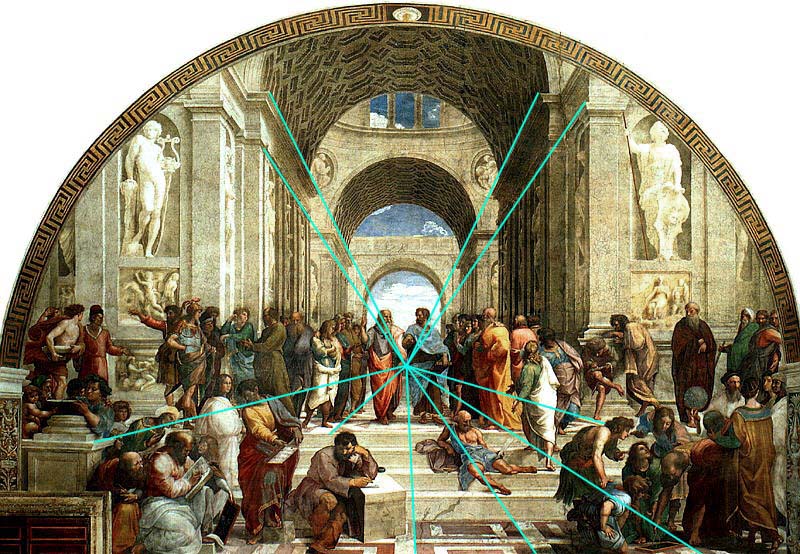

Which system was put into place to support artists during the Renaissance?
Systems of Patronage
Manorialism
Feudalism
System of Mercantalism

