wayground logo

Free Printable Worksheets

Font size

S
M
L
XL
Worksheets

Cotton, Cattle, & Railroads

Total questions: 51

Worksheet time: 36mins
Name
Class
Date
1.

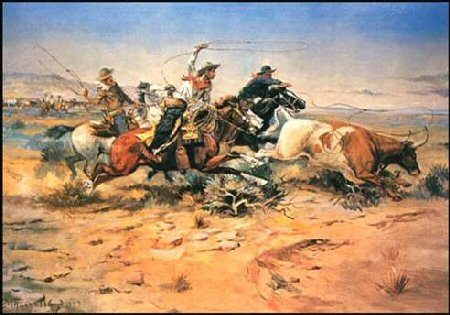
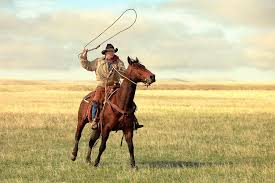
Cattle drives and ranching were year-round jobs for who?

a)

Buffalo Soldiers

b)

Farmers

c)

Indians

d)

Cowboys

2.

Bad weather, cattle rustlers, Indians, and stampedes are all causes of what?

a)

Dangers on an oil rig

b)

Dangers during the battle of the Alamo

c)

Dangers on a Cattle Drive

d)

Dangers of farming

3.

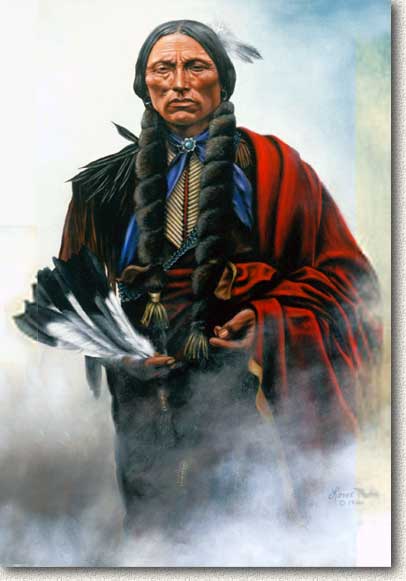
Last chief of the Comanche, mother's name was Cynthia, he led raids against Buffalo hunters.

a)

Sitting Bull

b)

James Hogg

c)

Quanah Parker

d)

Buffalo Bill

4.

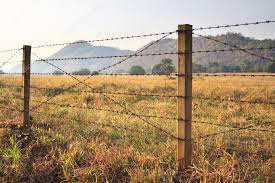
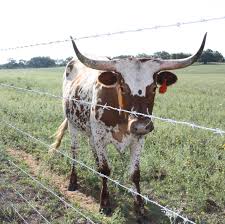
Identify the invention in the image. This invention helped to close off the open range making cattle drives dangerous and contributing to the Open Range War.

a)

Barbed Wire

b)

Wooden Fence

c)

Metal Fence

d)

Wooden Post

5.

What effect did barbed wire fences have on the closing of open land in the Texas frontier?

a)

Kept the Indians off the land

b)

Made cattle drives dangerous for Ranchers

c)

Caused too much damage to horses

d)

Ranchers loved the invention of barbed wire
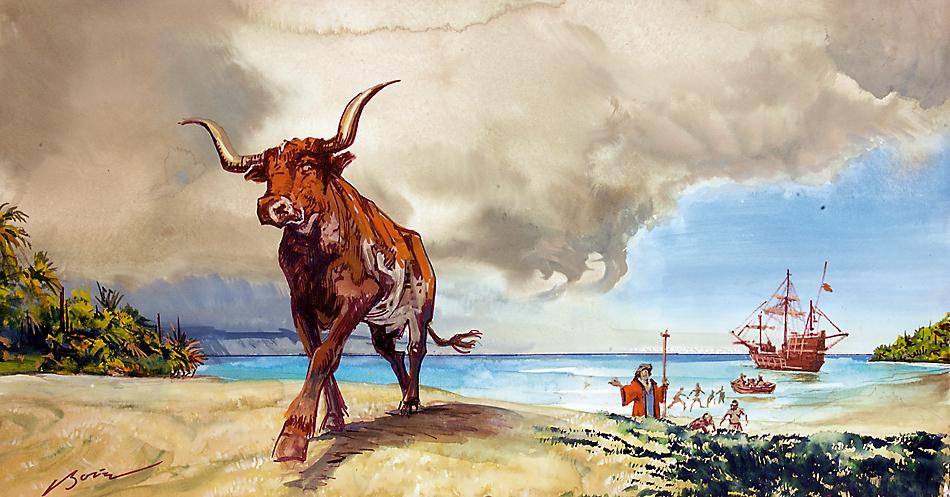
6.

Which country brought cattle to Texas and the rest of the United States?

a)

Spain

b)

England

c)

France

d)

United States

7.

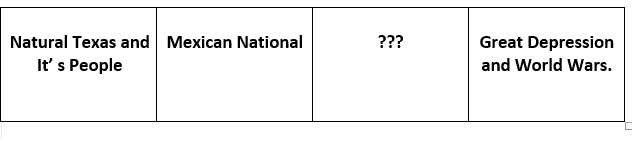
Select the best choice to fill in the missing Texas History Era in the timeline.

a)

Age of Contact

b)

Civil War and Reconstruction

c)

Cotton, Cattle, and Railroads

d)

Civil Rights and Conservatism

8.

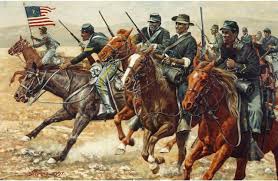
"Buffalo Soldiers" were African American soldiers who were given their nickname by who?

a)

Tejanos

b)

Native American Tribes

c)

American Soldiers

d)

Mexican Citizens

9.

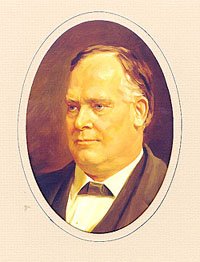
He was the first Native Governor of Texas, and he reformed the railroads.

a)

James Hogg

b)

Sam Houston

c)

Robert E. Lee

d)

Abraham Lincoln

10.

What significant effect did the Red River War have on the Texas Panhandle?

a)

Texans moved back to Spain

b)

Native Americans moved to England

c)

People moved to the Texas Panhandle as it was open for settlement

d)

Native Americans moved to Mexico

11.

What inventions changed West Texas after the Civil War and encouraged settlement in the west?

a)

Cars and planes

b)

Books and water bottles

c)

cell phones and laptops

d)

Windmills, barbed wire, and railroads

12.
Which explains a change in lifestyle of American Indian tribes after the Civil War?
a)
Many tribes experienced drought and famine.
b)
Many tribes moved westward to find buffalo.
c)
Tribes were removed to reservations.
d)
Tribes farmed after buffalo herds disappeared.
13.
Which nickname was given to the African-American regiments of the Army after the Civil War?
a)
Buffalo Hunters
b)
Red River Rebels
c)
Buffalo Soldiers
d)
Screaming Eagles
14.
All of the following were factors that fostered westward expansion into Texas EXCEPT
a)
 land for farming and ranching
b)
growth of the railroads
c)
removal of American Indians
d)
failure of the cotton crops
15.
How did the end of the Civil War affect the cattle industry?
a)
The demand for beef in the East brought rapid growth.
b)
Farmers had to move west and take land needed for grazing.
c)
Much of the land used for grazing was destroyed in the war.
d)
The loss in the Confederacy brought many cowboys to Texas.
16.
Why did ranching develop in West Texas instead of farming?
a)
Water Resources were scarce
b)
Lack of railroads
c)
Politics
d)
Oil was discovered in West Texas
17.
I am a former Texas Governor, Set up the Texas Railroad Commission Who am I?
a)
Quanah Parker
b)
Bose Ikard
c)
James Hogg
d)
Charles Goodnight
18.
What was the reason for the invention of Barbed wire?
a)
Needed to keep pigs in pens
b)
Use of natural fences in the past 
c)
earlier inventors of fence influence
d)
drawings created by Indians
19.
What role did railroads play in Texas’ economy?
a)
Railroads brought very few people to Texas.
b)
The trains were made to transport people only.
c)
The railroads made it harder to transport goods to the East.
d)
A way to transport good to market
20.
 What reality did cowboys face on their long cattle drives north?
a)
Possible Stampedes
b)
surprise attacks by Indians
c)
criminals and bullies
d)
Natural disaster
21.

During which time span did cattle drives and wars with American Indians in Texas take place?

a)

A. 1820 - 1835

b)

B. 1836 - 1845

c)

C. 1860 - 1900

d)

D. 1920 – 1935

22.

While windmills of the past assisted in early water production for agriculture, __________ is a water solution for delivering water to __________ today.

Which terms below complete the sentence above?

a)

desalinization… dry, arid land

b)

irrigation… wet, swampy areas

c)

irrigation… dry, arid land

d)

water restriction… animals and farms

23.

The herd was put in a circle, the cattle being a comfortable distance apart. When the drive was first started and the cattle were fresh, I used a double guard. That is, half the men guarded the first part of the night; the other half the latter part. In storms and stampedes we were all on duty. After the herd had been out fifteen days, it was “trail broke” and four men were sufficient to guard three thousand cattle. If we were out two or three months, the last month, two men on duty at a time were sufficient… The guards rode around the herd facing each other; in this way they passed each other twice as they went around. If a rattlesnake was heard in the guard line, the men hearing it informed their companion of its whereabouts and the next morning someone would go and kill it—rattlesnakes do not move at night. Cattle feared a rattlesnake and would give him a wide berth.

When the cattle are first started, the risk of stampedes is great. They are nervous and easily frightened; the slightest noise may startle them into running. Some cattle are stampeders by nature… A herd was more likely to run on a dark night than on a moonlight night. The remarkable thing about it was that the whole herd started instantly, jarring the earth like an earthquake….,

Taking it all in, my life on the trail was the happiest part of it. I wish I could find words to describe the companionship and loyalty of the men towards each other. It was beyond imagination… Bullies and tyrants were unknown among them. They kept their places around a herd under all circumstances; and if they had to fight they were always ready. Timid men were not known among them—the life did not fit them…. Fewer cowboys have been tried for crimes than any other class of men.


--Charles Goodnight, description of a trail drive as quoted in H.T. Burton’s “History of the J.A. Ranch,” in Southwestern Historical Quarterly, 1928


Which of the characteristics does that author say BEST describes a cattle driver?

a)

unfriendly and angry

b)

criminal and unfriendly

c)

unselfish and reliable

d)

selfish and unreliable

24.

Using the reading above, what did a cattle drive boss MOST fear?

a)

rainstorms

b)

stampedes

c)

snakes

d)

poor weather

25.

Former Texas governor Set up the Texas Railroad Commission Protected citizens from unfair business practices


Who is described above?

a)

Quanah Parker

b)

James Hogg

c)

Bose Ikard

d)

. Charles Goodnight

26.
What happens to Native American tribes after the Civil War?
a)
Most Indians join the U.S. Army
b)
Indians were displaced & forced to move onto Reservations
c)
Most moved to Canada
d)
Indians became cowboys & joined the cattle drives
27.
*Rodeos, Lassos, Rancheros, Corals, Vaqueros are all influences on the ranching industry from which country?
a)
United States
b)
England
c)
France
d)
Spain
28.
What is a Buffalo soldier?
a)
Someone that hunts buffalo to sell the hides
b)
African-American soldiers that served on the frontier
c)
People that protected the buffalo from becoming extinct
d)
None of these choices are correct
29.
After the Civil War many ex-slaves were still associated with the agricultural industry.  What vocabulary word would describe these jobs?
a)
Ranchero
b)
Segregated
c)
Sharecropper/Tenant Farmer
d)
Quarantine
30.
After the Civil War the supply of beef was very low in Northern states.  What will happen to the price of Texas cattle if they could be sold up North?
a)
Price will increase
b)
Price will decrease
c)
Price will stay the same
31.
Which of the following lists the selected historical eras in correct sequence? 
a)
Mexican National; Early statehood; Age of Contact; Spanish Colonial; Revolution & Republic;  Civil War & Reconstruction; Cotton, Cattle, & Railroads
b)
Spanish Colonial; Mexican National; Revolution & Republic; Early Statehood; Civil War & Reconstruction; Cotton, Cattle, & Railroads
c)
Early Statehood; Mexican National; Spanish Colonial; Revolution & Republic; Civil War & Reconstruction; Age of Contact
d)
Spanish Colonial; Revolution & Republic; Mexican National; Early Statehood; Civil War & Reconstruction; Cotton, Cattle, & Railroads
32.
Which American belief was one of the contributing factors behind the hostile relationships between American Indians and Texans? 
a)
Emancipation Proclamation
b)
Manifest Destiny
c)
Reconstruction Amendments
d)
A.  Gettysburg Address
33.
?????
Price of cattle fell
·  Blizzards and Droughts ·  Overgrazing ruined rangelands
What would be the best title?
a)
Problems with Cattle in East Texas
b)
Reasons that Texas switched to farming Cotton
c)
Results of railroads in West Texas
d)
Reasons for the decline of Ranching
34.
What vocabulary word means "A place where livestock are penned before they are slaughtered or shipped elsewhere?"
a)
Open Range
b)
Stockyards
c)
Segregated
d)
Syndicate
35.
What is the movement of cattle in large herds to a stockyard or market?
a)
Cattle drive
b)
Ranchero
c)
Sharecropper
d)
Wrangler
36.
Tenant Means: 
a)
To own 
b)
To Rent
c)
To Buy 
d)
To Give Up 
37.
This style of farming caused a cycle of debt a never able to really get ahead.
a)
tenant 
b)
subsistence
c)
sharecropping
d)
commercial
38.
Sharecropping: 
a)
Where someone rents the land
b)
Where someone borrows everything, and shares crops as payment
c)
Increased commercial farming 
d)
A very successful way to farm 
39.
In a short span of time (20-30 years), railroads drastically transformed Texas in many ways.
a)
True
b)
False
40.
What best explains the closing of the open range , and the expansion of the Railroad? 
a)
Railroads made the frontier more accessable
b)
It decreased the need for railroads
c)
Railroads brought made it tougher for the market
d)
New laws helped people buy land from the railroad
41.
 How did the railroads affect the cattle drives?
a)
The railroads in Texas did not affect the cattle drives
b)
People still chose to do cattle drives because it was cheaper
c)
There was still a lot of open land so the cattle went around the railroad tracks
d)
The cattle could now be put directly on the railcars and then sent to market
42.
What is Joseph Glidden famous for?
a)
starting cattle drives
b)
inventing the cattle brand
c)
inventing barbed wire
43.
After more railroads were built in towns
a)
cowboys became conductors
b)
long cattle drives ended
c)
ranchers started growing crops because they could be shipped easier
44.
What did ranchers use to tell the difference between their cattle?
a)
brands
b)
collars
c)
fences
45.

Who made the least amount of changes to the environment?

a)

African Americans

b)

Native Americans

c)

Farmers

d)

Sharecroppers

46.

What were windmills used for?

a)

Electricity

b)

Irrigation

c)

Move trains

47.

Effects of growth of railroads are...

a)

End of cattle drive

b)

No reason for them

c)

Move goods such as crops

48.
After the Civil War & Reconstruction what happened to the American Indians?
a)
Forced to join the Union
b)
Forced to fight against other tribes
c)
Many fled to reservations in California
d)
Forced to move to reservations in Oklahoma
49.
What happened to towns, like Houston and Dallas, during the late 1800's?
a)
They grew to the discovery of barbed wire
b)
Became railroad centers
c)
Populations fell because they weren't near the railroads
d)
Became government centers
50.
Great Comanche chief; led his people peacefully to the reservations in Oklahoma.
a)
Satanta
b)
Quanah Parker
c)
Big Tree
d)
Satank
51.
What agricultural inventions were introduced in the late 1800's?
a)
windmills, tractors, irrigation and barbed wire
b)
windmills, barbed wire & irrigation
c)
tractors & windmills
d)
windmills, electric fencing & irrigation