
 Worksheets
Energy & Materials Year 8
Total questions: 35
Worksheet time: 19mins
Name
Class
Date
1.
Which of these isn't in the fire triangle?
a)
Fuel
b)
Heat
c)
Oxygen
d)
Carbon dioxide
2.
Another term for burning is
a)
Fire triangle
b)
Magnesium oxide
c)
Combustion
d)
Bustion
3.
Is combustion a reversible reaction?
a)
Yes.
b)
No.
4.
The conditions which are required for combustion to take place are:
a)
fuel
b)
heat
c)
oxygen
d)
all of these
5.
8.7: Combustion is when a __________ reacts with oxygen
a)
petrol
b)
fuel
c)
fire triangle
d)
carbon dioxide
6.
The word equation for combustion is: fuel + oxygen --> water + ________ __________
a)
Carbon dioxide
b)
Limewater
7.
What do we use limewater to test for?
a)
Carbon dioxide
b)
Water
c)
Heat
d)
Smoke
8.
What is the test for hydrogen?
a)
Hydrogen extinguishes a burning splint
b)
Hydrogen burns with a squeaky pop
c)
Hydrogen relights a glowing splint
d)
Hydrogen turns limewater cloudy
9.

What is essential for a combustion reaction to begin?
a)
Carbon dioxide
b)
Fuel
c)
Fuel, oxygen and heat
d)
Water and oxygen
10.
All combustion reactions are
a)
endothermic
b)
exothermic
c)
neutral
d)
fast
11.
Does Iron displace Aluminium?
a)
Yes
b)
No
12.
A displacement reaction is a chemical reaction in which a _____ element displaces another element
a)
Less
b)
The same
c)
Moore
d)
More
13.
Iron nails + copper oxide =
a)
Iron nails + copper oxide
b)
Iron oxide + copper oxide
c)
Iron oxide + copper
d)
Magic
14.
What does the "thermal" in thermal decomposition mean?
a)
sulfur
b)
catalyst
c)
heat
d)
oven
15.
copper(II)carbonate → ___________ + carbon dioxide
a)
copper(I) oxide
b)
copper(II) oxide
c)
copper oxide
d)
copper(III) oxide
16.
In an exothermic reaction, heat is ...
a)
taken in
b)
given out
17.
In an endothermic reaction, heat is ...
a)
taken in
b)
given out
18.
If a chemical reaction is EXOTHERMIC, the temperature would....
a)
Stay the same
b)
Increase
c)
Decrease
19.
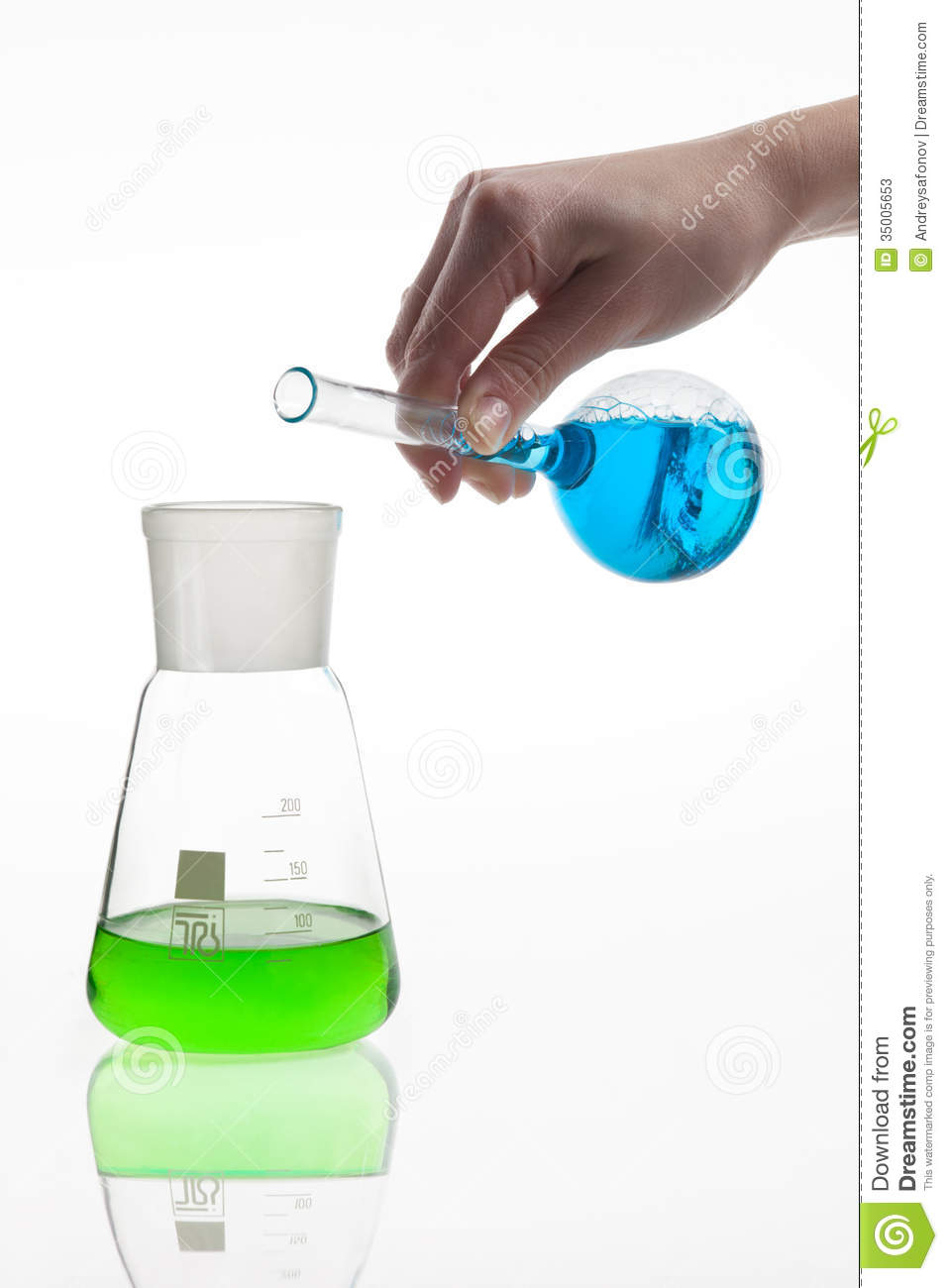
A student mixed two chemicals to allow them to react. The temperature before the reaction was 25 ° C. The temperature after the reaction was 18° C. Which of the following is true?
a)
The temperature changed
b)
It is an endothermic reaction
c)
It is an exothermic reaction
d)
Two of the answers are correct
20.
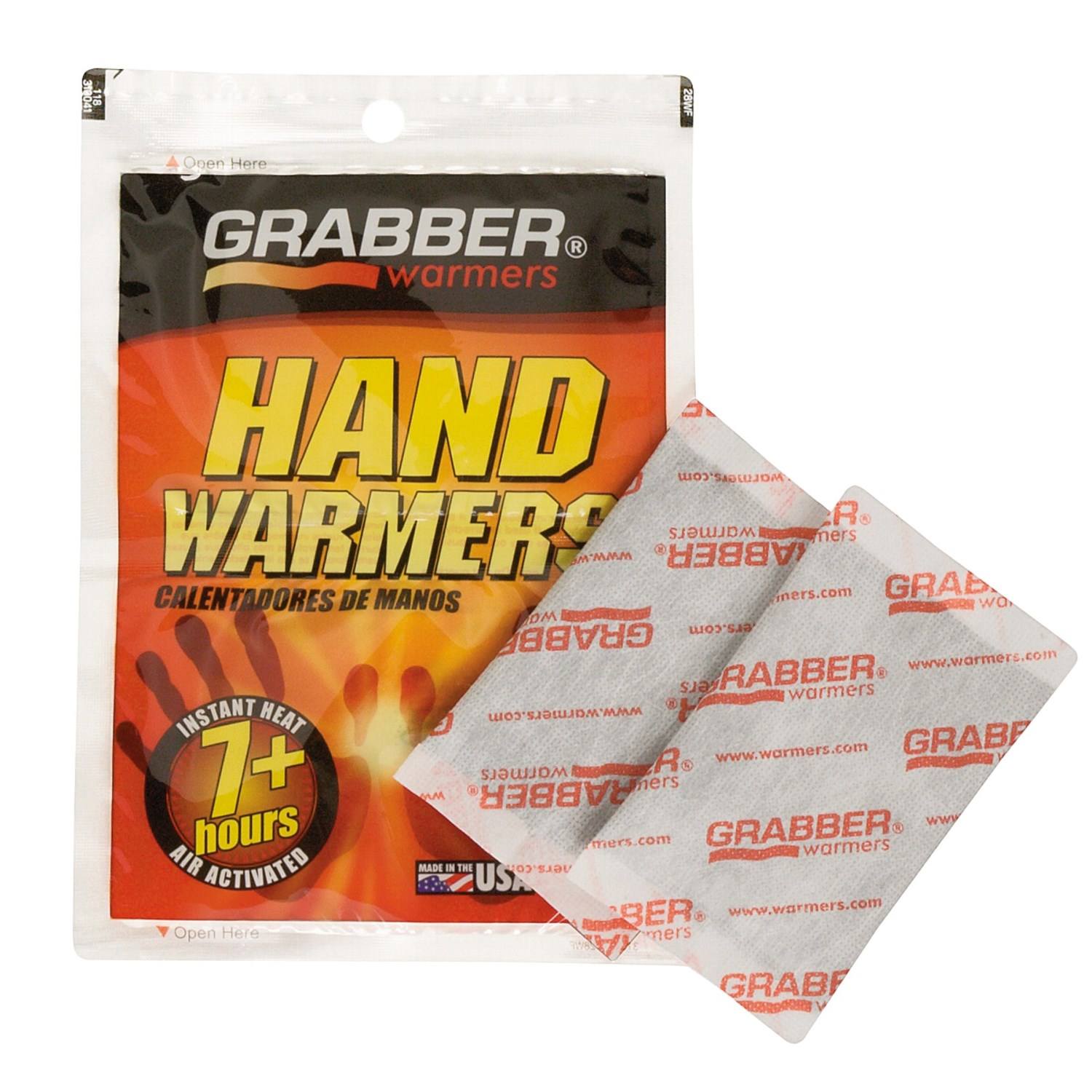
What type of reaction occurs in a hand warmer?
a)
exothermic
b)
endothermic
21.
What is an example of exothermic?
a)
firework
b)
ice pack
c)
coal
d)
wood
22.
Complete the word equation, magnesium + copper sulfate makes �
a)
copper sulfate + magnesium
b)
copper + magnesium sulfate
c)
magnesium copide + sulfur
d)
magnesium sulfate + hydrogen
23.
What type of reaction takes place when a substance loses oxygen?
a)
oxidation
b)
reduction
24.
What is an ore?
a)
a solid metal
b)
a rock cantaining a metal combined with other elements
c)
an element
d)
an object used to row a boat
25.
Which of these elements is unlikely to be found native?
a)
gold
b)
platinum
c)
aluminium
d)
silver
26.
What is the removal of oxygen from a substance called?
a)
reduction
b)
extraction
c)
electrolysis
d)
oxidation
27.
Which series is used to predict the reactions of metals with carbon and other elements?
a)
reactionary series
b)
reaction series
c)
redox series
d)
reactivity series
28.
Which element cannot be extracted from its ore by reduction with carbon?
a)
iron
b)
aluminium
c)
copper
d)
lead
29.
What does 'brittle' mean?
a)
Soft
b)
Easily breakable
c)
Easily bendable
d)
Tough
30.
When were ceramics first used?
a)
20,000 years ago
b)
100 BC
c)
20,000 BC
d)
24,000 BC
31.
Ceramics also have a chemical inertness. What does this mean?
a)
They do not react with chemicals.
b)
They react strongly with chemicals.
c)
They only react with reactive elements.
d)
They react sometimes with chemicals.
32.
What is a disadvantage of ceramics?
a)
Ceramics are tough.
b)
Clay is easy to obtain.
c)
They can be painted.
d)
They can fracture easily.
33.
Are ceramics...
a)
Good insulators
b)
Good conductors
34.
Materials made of two materials and has properties different from the individual components
a)
compounds
b)
composites
c)
mixtures
35.
A chain of repeating units (called monomers)
a)
monomer
b)
dimer
c)
replicate
d)
polymer
100 %

