
 Worksheets
Invention or Innovation _TECH
Total questions: 23
Worksheet time: 8mins
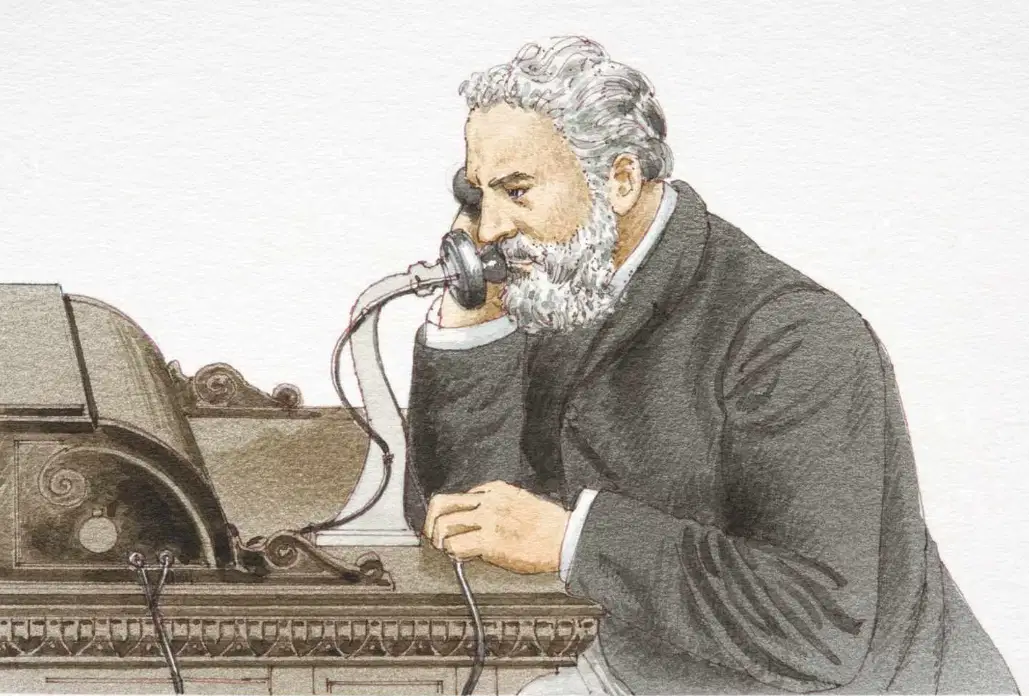
The telephone, created by Alexander Graham Bell, is an example of an
Invention
Innovation
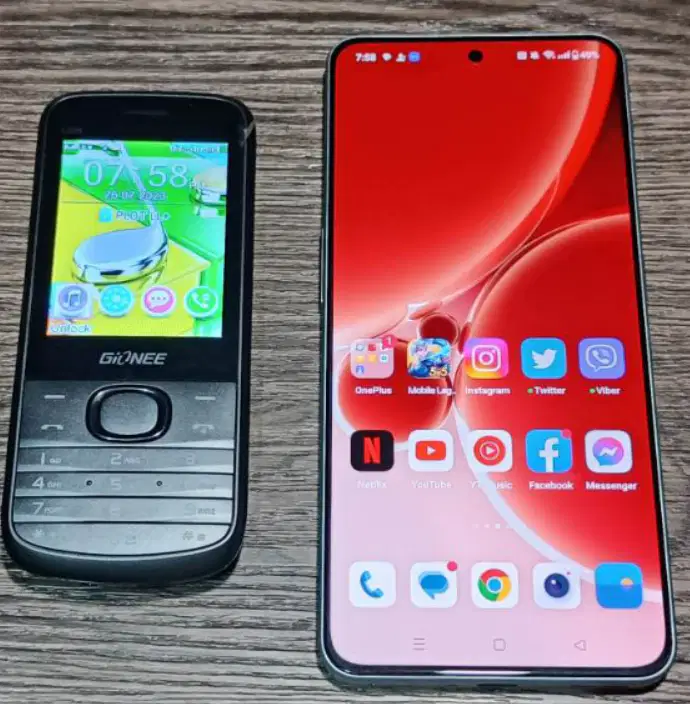
The development of the smartphone from the original mobile phone is considered an
Invention
innovation
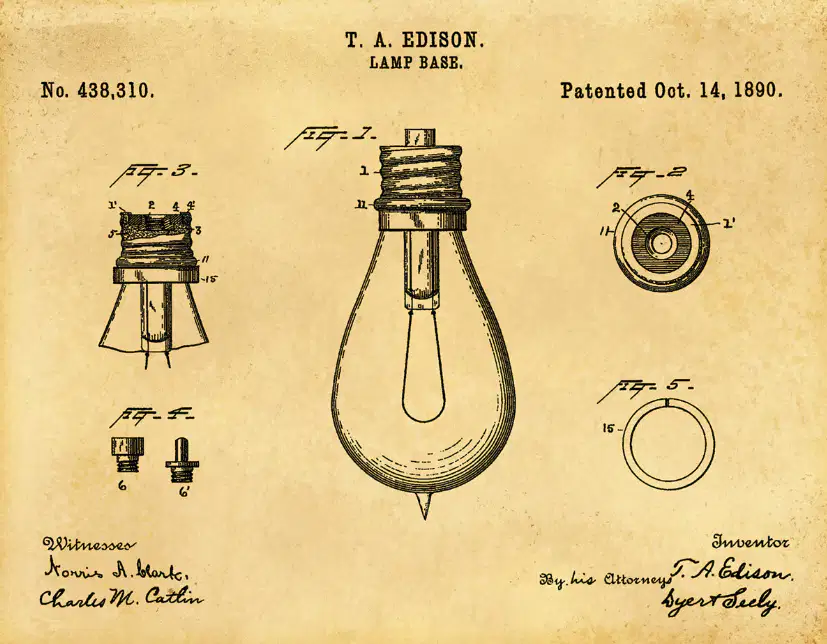
Which of the following best describes the creation of the light bulb by Thomas Edition?
Invention
Innovation
The electric car offers several improvements to traditional gasoline cars (reduced emissions, lower running costs, and a quieter driving experience). This an example of an
Invention
Innovation
Microprocessor compact and the first personal computers sparked the digital age by making computing accessible to the general public and not just large corporations. The microprocessor is an
Invention
Innovation
Developing a new app for an existing smartphone is an:
Invention
Innovation
The transition of movie cameras from cutting and splicing film to a digital drag and drop editing tools is an example of an
Invention
Innovation
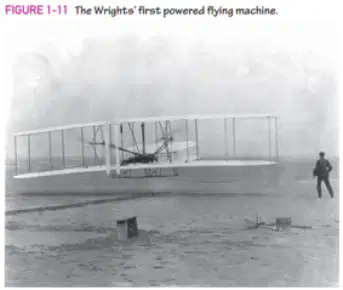
The introduction of the first airplane by the Wright brothers is an:
Invention
Innovation
Upgrading a bicycle with a electric motor is an:
Invention
innovation
The original creation of the Internet is considered an:
Invention
Innovation
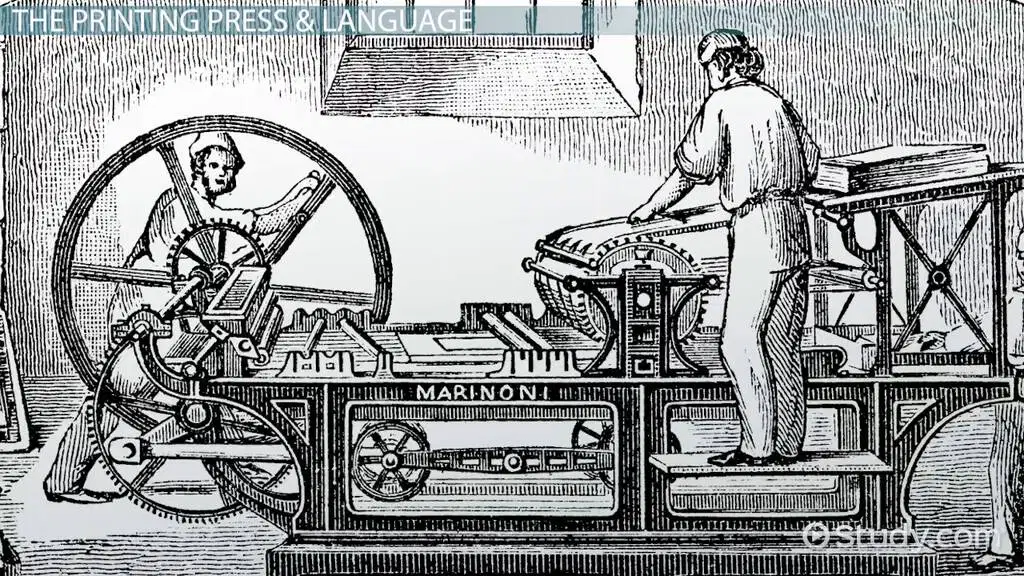
Which of the following best describes the original creation of the printing press?
Invention
Innovation
The first creation of a microwave oven is considered an:
Invention
Innovation
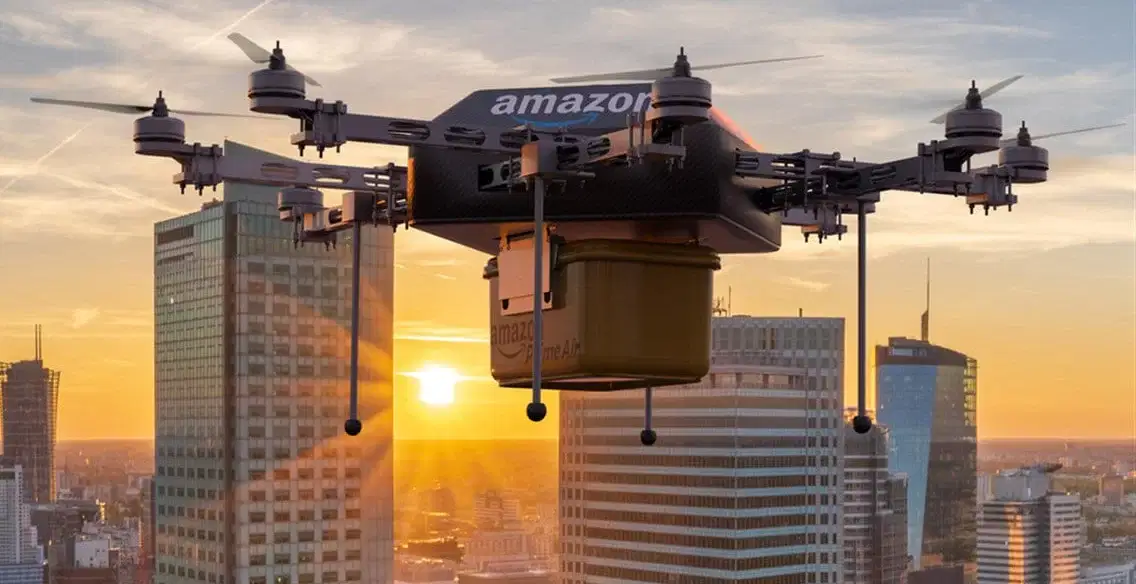
Using a drone for delivery services, when drones are originally for military use, is an
Invention
Innovation
The creation of the first antibiotic, penicillin, is an:
Invention
Innovation
The improvement of computers with faster processing is an:
Invention
Innovation

Leonardo da Vinci described and sketched ideas for many inventions that were hundreds of years ahead of their time, but very few were ever built or tested during his lifetime. Select the option below that you think describes the mysterious machine best:
Fan
Umbrella
Helicopter
Teepee
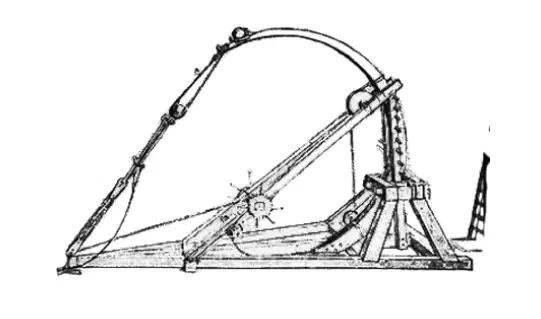
Leonardo da Vinci described and sketched ideas for many inventions that were hundreds of years ahead of their time, but very few were ever built or tested during his lifetime. Select the option below that you think describes the mysterious machine best:
Threader
Catapult
Crossbow
whip
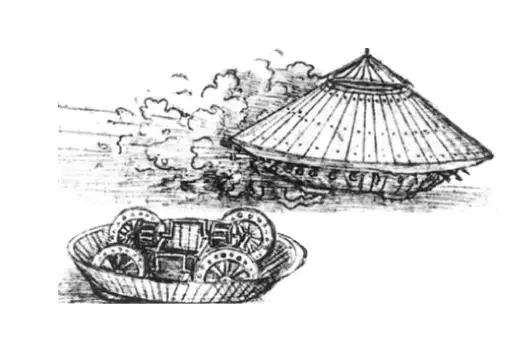
Leonardo da Vinci described and sketched ideas for many inventions that were hundreds of years ahead of their time, but very few were ever built or tested during his lifetime. Select the option below that you think describes the mysterious machine best:
Tent
Car
Tank
Carousel

The Steam Engine (Cars, airplanes, trains, spacecraft—none of these transportation methods would have been possible if not for the early breakthrough of the steam engine.)
The Industrial Revolution (c.1760-1840)
The Twentieth Century (c.1901 - 2000)
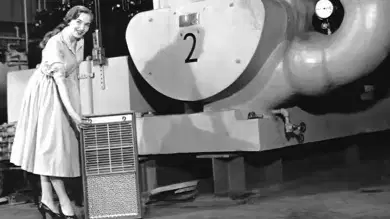
The Air Conditioner (Willis Carrier, then an engineer, was tasked with solving a humidity problem at a printing plant. The fluctuating humidity was causing paper to wrinkle, affecting the quality of multi-color printing.)
The Industrial Revolution (c.1760-1840)
The Twentieth Century (c.1901 - 2000)
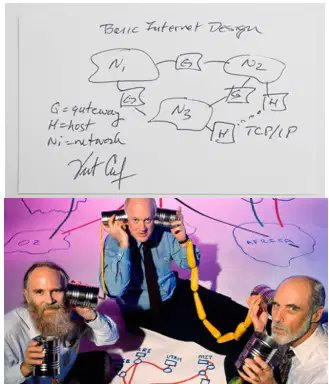
The Internet (Vinton Cerf, Jon Postel, and Steve Crocker who developed the crucial communication protocols for the NET, the Transmission Control Protocol (TCP) and the Internet Protocol (IP)
The Industrial Revolution (c.1760-1840)
The Twentieth Century (c.1901 - 2000)
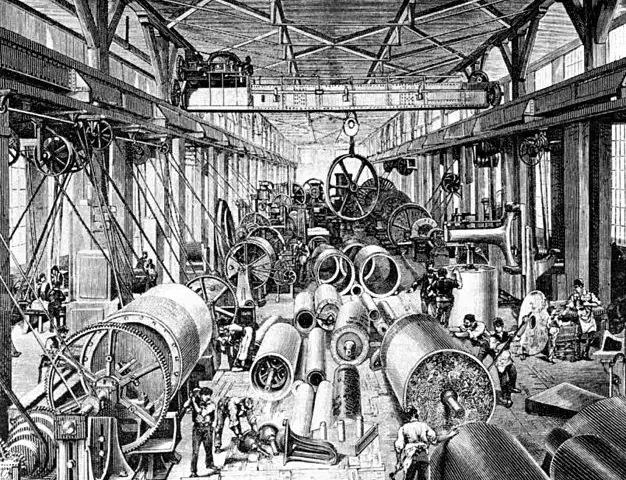
Large-scale manufacturing plants and new machine tools (Steel factories exploded into one of the biggest industries on the planet and was used in the creation of everything from bridges and railroads to skyscrapers and engines.)
The Industrial Revolution (c.1760-1840)
The Twentieth Century (c.1901 - 2000)

Atomic Age and the Space Race (These intertwined events spurred technological advances in areas like nuclear energy, computing, and satellite technology)
The Industrial Revolution (c.1760-1840)
The Twentieth Century (c.1901 - 2000)

