
 Worksheets
Chapter 8 Lesson 3
Total questions: 15
Worksheet time: 30mins

Birds eat the ticks off of a rhino's back in the Savannah
Parasitism
Mutualism
Predation
What does symbiosis mean?
Living separately, no relationship between 2 species
Living together, close relationship between 2 species
Living separately, long distance relationship between 2 species
When one species kills and eats another
A relationship between two organisms in which one organism benefits, and the other is neither benefited or harmed
Mutualism
Competition
Parasitsm
Commensalism
A relationship between two organisms in which both organisms benefit
Mutualism
Competition
Parasitsm
Commensalism
A relationship between 2 organisms in which one organism benefits and the other is harmed
commensalism
parasitism
mutualism
predation

Barnacles create home sites by attaching themselves to whales. This neither harms nor benefits the whales. The barnacles eat the plankton that the whale swims past in the ocean. What kind of relationship is this?
Mutualism
Parasitism
Commensalism

Gall Insects lays their eggs in the leaves or branches of Oak trees. Oak trees provide shelter and food to the insect larvae.
commensalism
mutualism
parasitism
predation
A tapeworm attaches to the inside of the intestines of a dog. The tapeworm gets food by eating the dog's partly digested food. The dog loses nutrients. Which symbiosis is this?
mutualism
parasitism
commensalism
predation
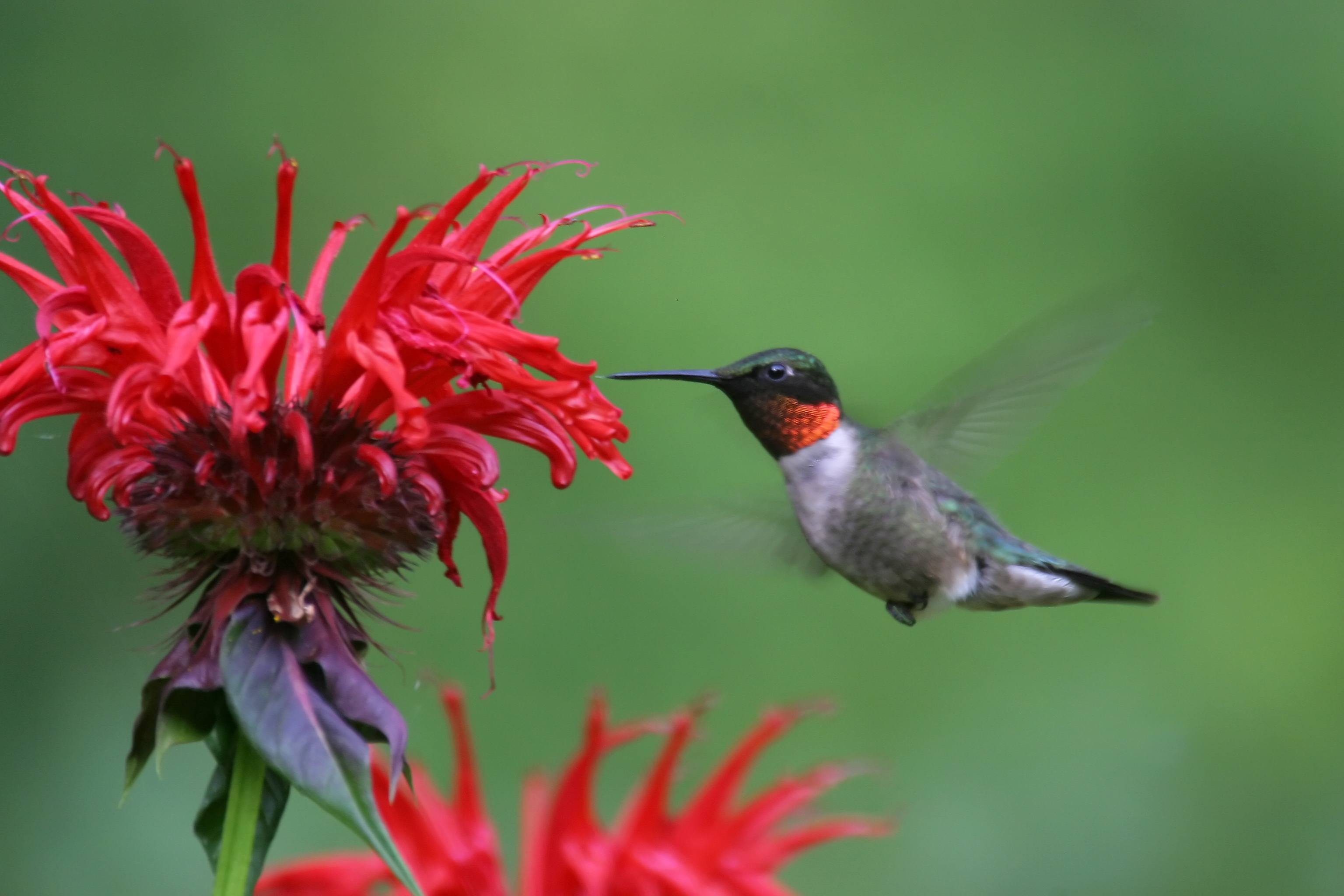
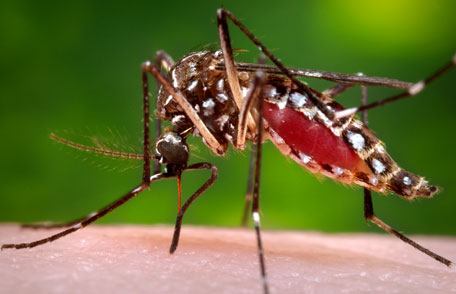
Fungus and lichens live together. The fungus gets food from the algae while the algae gets a place to live. This is an example of___________________?
mutualism
parasitism
predation
competition

An bee gets nectar from flowers. They get pollen on them and transfer it to other flowers to help grow more plants. This is an example of ________________________?
Predation
Commensalism
Parasitism
Mutualism

The shrimp digs to burrow itself and the goby fish. In case of danger, the goby touches the shrimp to warn it. This is an example of _________________________?
Mutualism
Predation
Commensalism
None of the above
Heartworms in a dog cause the heart to work harder. Eventually, the heart may fail. This is an example of ____________________?
Commensalism
Predation
Parisitism
None of these

