wayground logo

Free Printable Worksheets

Font size

S
M
L
XL
Worksheets

Greece

Total questions: 200

Worksheet time: 2hrs 25mins

Name
Class
Date
1.
What were the two main city-states of Ancient Greece?
a)
Rome & Alexandria
b)
Corinth & Olympia
c)
Thebes & Argos
d)
Sparta & Athens
2.
What was the primary focus of much of the culture of the city-state of Sparta?
a)
Food & parties
b)
War & fighting
c)
Music & books
d)
Painting & sculpture
3.
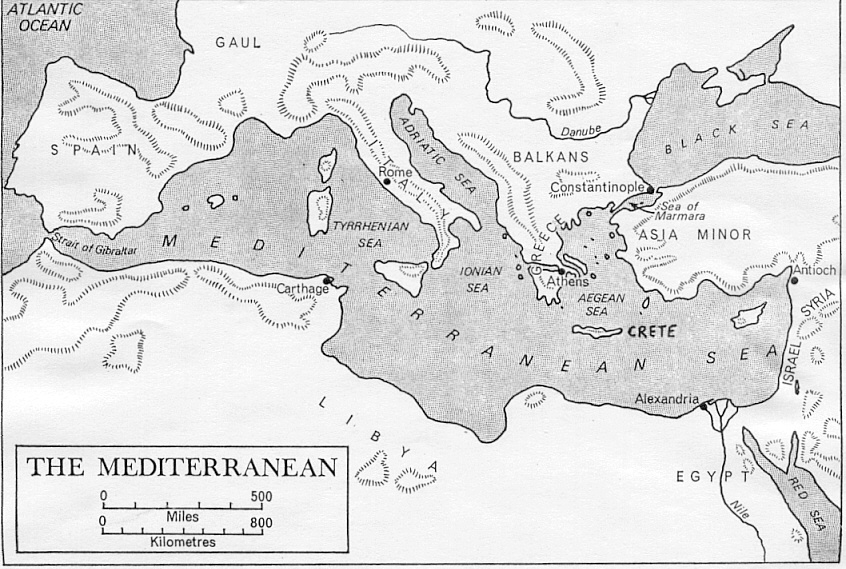
Crete is the name of Greece's biggest __________?
a)
Body of water
b)
God/goddess
c)
island
d)
peninsula
4.
What was the primary focus of the culture in the city-state of Athens?
a)
War & fighting
b)
Athletics & competition
c)
Power & conquest
d)
Art & education
5.

The Greeks believed in many gods such as Zeus, Poseidon, & Hades. This means the Greeks were _______________.

a)

Monotheistic

b)

Democratic

c)

Islamic

d)

Polytheistic

6.

The invasion of what army helped bring the city-states of Athens and Sparta together (united them)?

a)

Egyptian

b)

Byzantium

c)

Persian

d)

Mongolian

7.
How did Alexander spread Greek culture?
a)
He developed friendships with many lands in Europe.
b)
He adopted many Asian ways.
c)
He created a vast empire in Europe, Asia, & Africa.
d)
He rooted for the Cubs to win the World Series.
8.

Athens is credited with the development of _________________, a form of government where the people choose how they are ruled.

a)

Monotheism

b)

Anarchy

c)

Monarchy

d)

Direct Democracy

9.

Which describes a time of great cultural growth, mainly taking place in Athens?

a)

Bronze Age

b)

Golden Age

c)

Stone Age

d)

Middle Ages

10.

The city-state that had a monarchy as its government was _____________.

a)

Athens

b)

Crete

c)

Sparta

d)

Thebes

11.

How did Greece's physical geography affect their ability to get resources?

a)

More cities were inland making for easier travel

b)

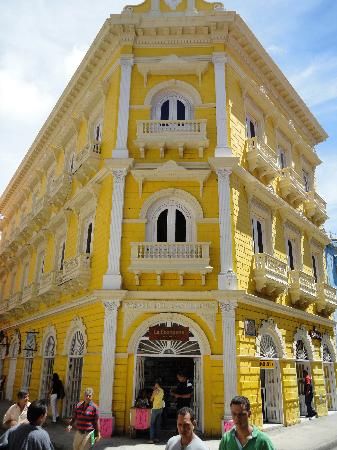
Islands made it easy to grow a variety of crops

c)

The mountains allowed for easy cultivation of food

d)

Scarcity of farmland pushed them to trade with each other

12.

What is a characteristic that Athens & Sparta SHARED?

a)

Each had a queen rule the city-state

b)

The each fought against Persia in the Persian War

c)

They were both ruled as an oligarchy

d)

Both societies gave women the same rights as men

13.

What important military tactic did the Greeks use to beat the Persians?

a)

Philosophy

b)

Phalanx

c)

Hammer & anvil

d)

Run & shoot

14.

A century is _____ years.

a)

5

b)

10

c)

100

d)

1,000

15.

A decade is ______ years.

a)

5

b)

10

c)

100

d)

1,000

16.

A milennium is ______ years.

a)

10

b)

100

c)

1,000

d)

1,000,000

17.

Why were the Olympics held?

a)

To compete against other countries

b)

For gods and goddesses to compete

c)

To show off their mad skillz

d)

To honor the god Zeus

18.

True or False: Athens & Sparta women both held the same social class.

a)

True

b)

False

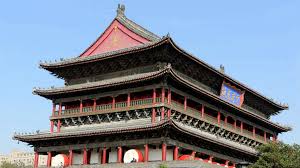
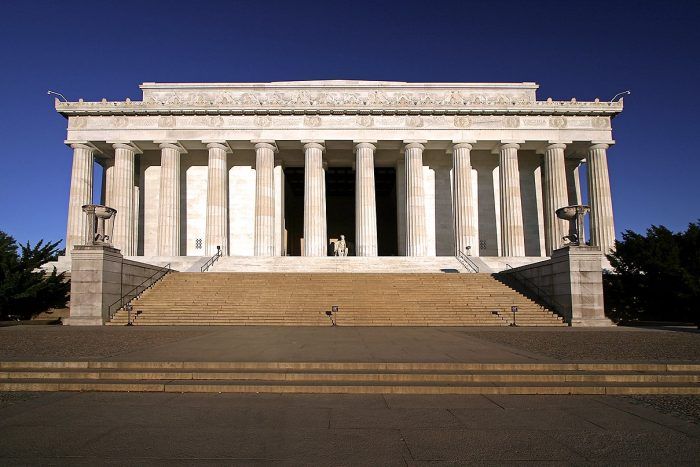
19.
Greece is in which continent?
a)
Europe
b)
Africa
c)
North America
d)
Asia
20.
A body of water with water on three sides is called a 
a)
continent
b)
island
c)
peninsula
d)
isthmus
21.
A system that of writing that uses symbols to stand for individual sounds is called an 
a)
alphabet
b)
character
c)
codex
d)
hieroglyph
22.
The ruler of the Greek gods was called 
a)
Ares
b)
Athena
c)
Prometheus
d)
Zeus
23.
The Greeks believed that the gods lived in
a)
Athens
b)
Cyprus
c)
Mount Olympus
d)
Mount Etna
24.
Stories that portray Greek Gods and goddesses are called 
a)
essays
b)
fables
c)
histories
d)
myths
25.
The games held every four years at a festival to honor Zeus were called
a)
Goodwill Games
b)
marathons
c)
Olympics
d)
triathlons 
26.
In Greek, the word for a city-state was 
a)
civitas 
b)
barracks 
c)
democracy
d)
polis
27.
The upper class in Greece was called
a)
aristocracy 
b)
monarchy 
c)
oligarchy 
d)
tryanny
28.
Athens main rival was the city state of 
a)
Anatolia
b)
Marathon
c)
Sparta
d)
Thermopylae
29.
The Spartans conquered their neighbors and forced them to become 
a)
helots
b)
colonists
c)
soldiers
d)
tyrants
30.
Helots were 
a)
citizens
b)
oligarchs
c)
slaves
d)
merchants
31.
Why was Socrates executed?
a)
He was poisoned
b)
He was blamed for corrupting the youth of Athens
c)
He used the Socratic Method
d)
He was old
32.
Which philosopher was a tutor for Alexander the Great when he was a boy?
a)
Aristotle
b)
Plato
c)
Socrates
d)
Sappho
33.
The city-state of Sparta took this form of government in which a small group had the power to make decisions for the entire society
a)
Oligarchy
b)
Democracy
c)
Monarchy
d)
Tyranny
34.
Age when Spartan boys began military training
a)
Thirty
b)
Sixty
c)
Seven
d)
Eighteen
35.
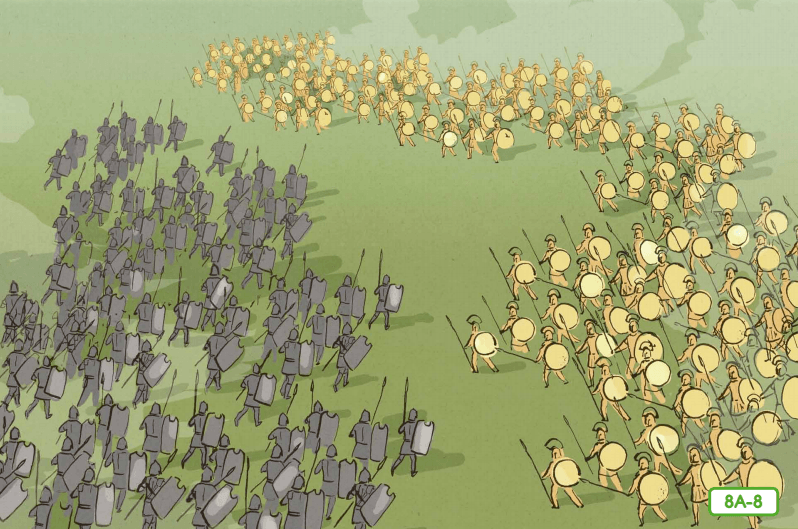
Ten years after the first battle in the Persian Wars, Darius' son Xerxes tried to conquer Greece once more.
Which Greek city-state helped Athens?
a)
Mycenae 
b)
Crete
c)
Sparta
d)
Troy
36.

At the Battle of Marathon, ________________.

a)

the Persian Empire was defeated by Alexander the Great.

b)

Athens was defeated by Persian Empire.

c)

Sparta was defeated by Athens.

d)

the Persian Empire was defeated by Athens.

37.
What was a Greek soldier called and what was the name of the formation in which he fought?
a)
Hoplite, phalanx
b)
Hoplite, trireme
c)
Spartan, greaves
d)
Cuirass, hoplite
38.
During the 2nd Persian War a Spartan force of 300 held off the Persian army for 2 days at a place called __________.
a)
Marathon
b)
Salamis
c)
Thermopylae
d)
Ionia
39.
Which city-state had a Democracy and voted? 
a)
Sparta
b)
Athens
c)
Both
d)
Neither 
40.
 How was ancient Greek democracy different from democracy in the United States today? 
a)
citizens listened to the ideas of powerful speakers
b)
 citizens voted directly on all issues
c)
citizens gave their leaders total power
d)
citizens elected representatives to make laws
41.
What was the first civilization to develop in Europe?
a)
Rome
b)
Greece
c)
Egypt
d)
France
42.
What was a unified formation of Greek soldiers called?
a)
Phalanx
b)
Phylange
c)
Assembly
d)
Ephor
43.
Who were the ancient people who lived on the island of Crete and built a grand palace in the city of Knossos?
a)
Minoans
b)
Romans
c)
Persians
d)
Spartans
44.
What ancient civilization eventually replaced the Minoans as the major power in the Aegean sea, after the Minoan civilization disappeared?
a)
Romans
b)
Spartans
c)
Persians
d)
Mycenaeans
45.
what is a hilltop in a Greek city state called? 

(It housed a fort and a temple to the city-state's local god or goddess)
a)
Agriculture
b)
Thermopylae
c)
Acropolis
d)
Ephor
46.
What is a government where only a few, very wealthy people rule?
a)
Democracy
b)
Tyranny
c)
Oligarchy
d)
Assembly
47.
An empire started by Cyrus the Great
a)
Greece
b)
Rome
c)
Persia
d)
Egypt
48.
What is the name for thinkers who reflect on the meaning of life?
a)
Soldiers
b)
Philosophers
c)
Ephors
d)
Helots
49.
Athenian society DID NOT consider educated women as equal to men. 

For instance, women COULD NOT participate in political activities or own property, and they were always under the care of a male family member.
a)
True
b)
False
50.
Even in a democracy like Athens, slavery WAS common.
Most Athenian households had at least one enslaved person. 
a)
True
b)
False
51.
After the Persian War, Athens and Sparta came into conflict with one another.  Eventually, war broke out between the two city-states.  
What was this war called?
a)
Persian War II
b)
Greek War
c)
Peloponnesian War
d)
War Between the City-States
52.
Which ancient Greek city-state would you find the majority of young men involved in the military? 
a)
Athens
b)
Sparta
c)
Crete
d)
Olympia
53.
If you wanted to go buy and sell products in an open marketplace, you would go to the...
a)
Walmart
b)
Polis
c)
Agora
d)
Peloponneses  
54.
This Athenian leader was in power for 30 years during the "Golden Age" and helped make Athens more democratic
a)
Darius
b)
Solon
c)
Pericles
d)
Alexander 
55.
If a small group of chosen officials make all the decisions in a government, that type of government is known as a ___________
a)
Democracy
b)
Theocracy
c)
Oligarchy
d)
Dictatorship 
56.
If you were someone who thought deeply about life's questions, you would be known as a _____________
a)
Archaeologist 
b)
Historian
c)
Philosopher
d)
Dorian
57.
Increasing the wealth of Persia, gaining more glory, and seeking revenge after the death of Darius were three reasons why _________continued the Persian Wars
a)
Cyrus
b)
Xerxes
c)
Alexander
d)
Solon 
58.
Being able to navigate using the sun and the stars was something the Mycenaeans learned from the ___________
a)
Dorians
b)
Minoans
c)
Greeks
59.
Spartan men could return to their homes when they were______
a)
50
b)
40
c)
30
d)
20
60.
People forgot how to read and write during the _________
a)
Apocalypse 
b)
Dark Age
c)
Golden Age
d)
New Kingdom 
61.
Which of the following did the early Greeks NOT do in order to survive?
a)
Fish
b)
Trade 
c)
Herd goats and sheep
d)
Hunt 
62.
In order to be considered a citizen of a Greek city-state, you had to be____________
a)
Free
b)
Native-born
c)
Landowning Man
d)
All of the above
63.
What word best describes the land of the Greek peninsula?
a)
rocky and mountainous
b)
flat
c)
desert
d)
rolling plains
64.
Who was NOT a Greek philosopher?
a)
Pythagoras
b)
Aristotle
c)
Socrates
d)
Plato
65.
What does the word "Democracy" mean?
a)
"rule by the government"
b)
"rule by the many"
c)
"rule by the wealthy"
d)
"rule by the people"
66.

Democracy in Athens meant that...

a)

all men could vote

b)

all men and women could vote

c)

all male citizens could vote

d)

all members of the Oligarchy could vote

67.
Which of the following describes Spartan women?
a)
They were treated harshly, almost like slaves.
b)
They mostly fought as soldiers alongside men.
c)
They were trained to build up their bodies and were allowed to own land.
d)
All of the above. 
68.
Who was the main rival of ancient Greece?
a)
The Persian Empire
b)
The Ottoman Empire
c)
The American Empire
d)
The Galactic Empire
69.

Who was Alexander the Great's teacher?

a)

Aristotle

b)

Archimedes

c)

Plato

d)

Darius

70.
The war that was a result of Sparta's jealousy and distrust of powerful Athens
a)
Persian War
b)
Peloponnesian War 
71.
A Greek Philosopher that taught people use a question and answer way of thinking.
a)
Socrates 
b)
Aristotle 
72.
A Greek Philosopher that opened the school the Lyceum and was the biggest supporter of learning History.
a)
Socrates
b)
Aristotle 
73.
A single ruler who passes their reign on to their son
a)
Monarchy
b)
Oligarchy
c)
Tyranny
d)
Democracy
74.
A military leader seizing military power illegally
a)
Tyranny
b)
Oligarchy
c)
Monarchy
d)
Democracy
75.
They could own property, they went to school like the boys did, they live. The same simple life as the men
a)
Sparta Women
b)
Athens Women 
76.
What was the large open area where city life was centered around called?
a)
Agora
b)
Acropolis
c)
Democracy
d)
Mall
77.
Which of the following describes the helots of Sparta?
a)
They fought most of the wars.
b)
They performed farm work, gave half of their crops to Spartan citizens,  and outnumbered Spartan citizens.
c)
They led a movement to change the government.
d)
They were in charge of boys’ military training.
78.
Which of the following statements best describes the citizens of Athens?
a)
They spoke different languages
b)
They valued their freedoms and took an active role in government
c)
They overthrew their government by force.
d)
They develop the art of war.
79.
Which of the following is NOT a Greek accomplishment?
a)
Epics like the Iliad and Odyssey
b)
inventions such as the first ship and wheel barrow
c)
competitions like the Olympics
d)
Contributions to democracy
80.
What bodies of water bordered Ancient Greece?
a)
Mediterranean Sea
b)
Aegean Sea
c)
Ionian Sea
d)
All of them
81.
What is a democracy?
a)
people make the decisions
b)
government led by a dictator
c)
government with no rules
d)
government that is ruled by land owners
82.
True or False? Women who lived in Sparta could own property.
a)
True
b)
False
83.
Why do we call a marathon, a marathon?
a)
In honor of the Greek gods
b)
It was an original Olympic event
c)
A Greek soldier ran 26+ miles from Marathon to Athens to tell the good news about them defeating Darius
d)
they liked the name
84.
the Ancient Greeks were...
a)
...polytheistic
b)
...monotheistic
c)
...both polytheistic and monotheistic
d)
...neither polytheistic and monotheistic
85.
What contributions did the Ancient Greeks have to our modern society?
a)
Art & Architecture
b)
Literature & Drama
c)
Science & Mathematics
d)
All of the contributions mentioned
86.
The poetry & drama of the Ancient Greeks featured mainly...
a)
comedies & tragedies
b)
athletic events
c)
chariot races
d)
bull fights
87.
The great philosophers of Ancient Greece were:
a)
Socrates
b)
Plato
c)
Aristotle
d)
all three (Socrates, Plato, and Aristotle)
88.
If you wanted to visit Athens, where would you go?
a)
Western Asia, by the Caspian Sea
b)
Northern Europe, by the Baltic Sea
c)
Southern Europe, by the Mediterranean
d)
Western Europe, by the Atlantic Ocean
89.
How were Ancient Greek city-states different from modern U.S. states?
a)
Each city-state had its own laws; US states do not
b)
No central government united the Greek states
c)
All Greek city-states were ruled by kings; US states are run by elected officials
d)
Each Greek city-state had its own language; each US state does not
90.
Why was the period between 460 and 429 B.C.E. called Athens's "Golden Age?"
a)
Coins and weapons from that era were made from gold
b)
Athens had conquered all of its neighboring city-states during that time, making it very rich
c)
At that time, most Athenians worshiped golden statues of gods and goddesses
d)
Art, science, and philosophy flourished during that time
91.
In the sentence "Pericles was a charismatic leader," what does "charismatic" mean?
a)
Dictatorial
b)
Extremely powerful
c)
Having personal charm and appeal
d)
Democratically elected
92.
Which phrase best describes Ancient Athens?
a)
The capital of Greece
b)
A cultural and artistic capital
c)
The birthplace of capitalism
d)
The capital of ancient Europe
93.
Rule by a few wealthy aristocrats 
a)
democracy 
b)
oligarchy 
c)
tyranny 
d)
socialism 
94.
American form of government 
a)
Oligarchy 
b)
Direct Democracy 
c)
Representative Democracy 
d)
Tyranny 
95.
The use of reason and logic to explain how the natural world works and how one ought to live.
a)
religion 
b)
theology 
c)
philosophy 
d)
world history 
96.
?
a)
Agora 
b)
Crete 
c)
Sparta 
d)
Parthenon 
97.
Very popular Athenian leader during the golden age. 
a)
Leonidas 
b)
Pericles 
c)
Draco 
d)
Peisistratus 
98.
Macedonian king who conquered most of the known world. 
a)
Plato 
b)
Aristotle 
c)
Socrates 
d)
Alexander the Great 
99.
What word best describes the land of the Greek peninsula?
a)
rocky and mountainous
b)
flat
c)
desert
d)
rolling plains
100.
Why was communication difficult between communities in Ancient Greece?
a)
They did not have telephones
b)
Mountains and Water
c)
communication was easy
d)
most people had horses
101.
How is the influence of ancient Greece seen in today's world?
a)
the clothes that they wore
b)
buildings and architecture
c)
everybody walks everywhere
d)
communities are isolated
102.
Which of these was a result of the geographic conditions of Greece in their early civilization?
a)
unified political organization
b)
withdrawal from international contact
c)
a society centered around plantations
d)
a reliance of sea-based commerce
103.
What kind of democracy did ancient Athens have?
a)
Direct 
b)
Representative
104.

How is the location of Greece on the Mediterranean Sea beneficial for trade and expansion?

a)

Greece is located in Africa.

b)

Greece's water travel allowed traders to reach many areas.

c)

Greece's islands make it difficult to travel.

105.

True or false. Greece's natural barriers made it difficult for people to interact and form one large, unified country.

a)

True

b)

False

106.

Why are olives such an important crop?

a)

Olive trees grew easily in the climate and soil conditions.

b)

Olive trees provided little trading options

c)

Olive trees grew poorly in the Mediterranean climate.

107.

The word "philosophy" comes from the Greek word meaning . . .

a)

lunch

b)

love of wisdom

c)

Sparta

d)

Zeus

108.

True or false. Socrates never wrote anything down.

a)

True

b)

False

109.

Define "Golden Mean".

a)

To find balance in your life

b)

To overindulge when eating

c)

To perform for an audience

d)

To write on a daily basis

110.

In a tyranny, the power to rule in the hands of a single person who controls everything

a)

True

b)

False

111.

Traditions that shape how people live their identity.

a)

City-State

b)

Democracy

c)

Culture

112.

A Spartan's name for an enslaved soldier.

a)

Tyrant

b)

Helot

c)

Democracy

d)

Oligarchy

113.

What did the Spartans use to control its citizens?

a)

the helots

b)

the military

c)

forced physical punishments

d)

the government

114.

Which statement correctly describes a boys life in Athens and Sparta.

a)

Athenians went to school; Spartans served in the military

b)

Athenians studies combat; Spartans played sports

c)

Athenian boys lived in barracks; Spartans lived at home

d)

Athenian boys became citizens at 30; Spartans never became citizens.

115.

Greek civilization began in a river valley.

a)

True

b)

False

116.

The Greeks developed the modern concept of citizenship.

a)

True

b)

False

117.

Greeks used mythology

a)

as a way to explain the practices and beliefs of their people

b)

for fun

c)

to use in plays and performances

d)

as a ritual

118.

What category of drama would the play Romeo and Juliet fit into?

a)

Comedy

b)

Tragedy

c)

Romantic Comedy

d)

Action

119.

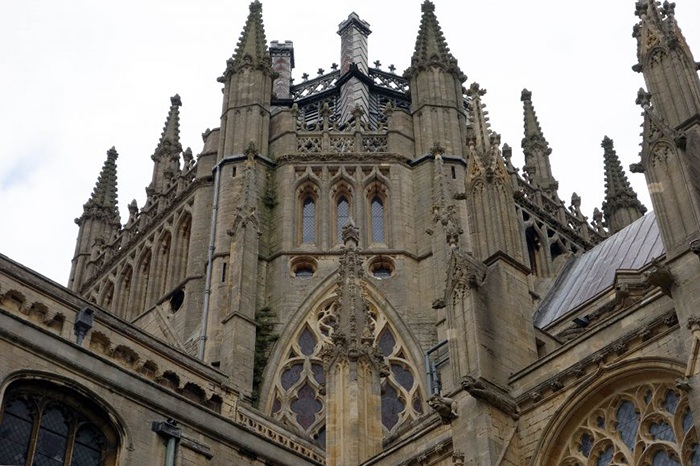
Which would be an example of Greek architecture?
a)
b)
c)
d)
120.

Who is the Greek god of the seas?

a)

Zeus

b)

Hades

c)

Poseidon

d)

Hermes

121.

What is an agora?

a)

a Greek goddess

b)

a type of instrument

c)

A Greek gathering place

d)

a serpent

122.

Greece is made up of hundreds of islands

a)

True

b)

False

123.

Which continent is Greece part of?

a)

Africa

b)

North America

c)

Europe

d)

Asia

124.

Which continent is Europe?

a)

1

b)

5

c)

6

d)

4

125.
a)
Corinthian
b)
Doric
c)
Ionic
d)
Plain
126.
Who wrote the Iliad and Oddyssey?
a)
Socrates
b)
Aeschylus
c)
Herodotus
d)
Homer
127.
a)
Ionic
b)
Corinthian
c)
Doric
d)
Decorative
128.
Who invented this?
a)
Pythagoras
b)
Plato
c)
Euclid
d)
Hippocrates
129.
Who was the 1st physician and now doctors have to take his oath?
a)
Herodotus
b)
Socrates
c)
Sophocles
d)
Hippocrates
130.
Who wrote the Republic and was a student of Socrates?
a)
Plato
b)
Aristotle
c)
Aeschylus
d)
Thucydides
131.
a)
Ionic
b)
Corinthian
c)
Doric
d)
Decorative
132.
What philosopher was put on trial for corrupting the Athenian youth and was put to death?
a)
Aristotle
b)
Plato
c)
Socrates
d)
Homer
133.
A myth is...
a)
a traditional story that explains the practices or beliefs of a people, or something in the natural world
b)
a government by the people
c)
an absolute ruler unrestrained by law
d)
a story meant to teach a lesson
134.
The art of public speaking and debate
a)
helot
b)
oracle
c)
rhetoric
d)
fable
135.
The philosophical method of questioning to gain truth
a)
Hellenistic Era
b)
rhetoric
c)
comedy
d)
Socratic Method
136.
A set of promises about patient care that new doctors make when they start practicing medicine
a)
Hippocratic Oath
b)
Socratic Method
c)
Zoroastrianism
137.
What is the Pythagorean Theorum?
a)
a + b = c
b)
a+ b= c2
c)
c + b + a
d)
all of the above
138.
Which of the following bodies of water does NOT surround Greece?
a)
Aegean Sea
b)
Black Sea
c)
Ionian Sea
d)
Mediterranean Sea
139.
Which civilization was the first to arise in Greece?
a)
Minoans
b)
Mycenaeans
c)
Greeks
d)
Hoplites
140.
Were the Mycenaeans more proud of the wealth from trade or their deeds in battle?
a)
Wealth from trade
b)
Neither wealth from trade nor deeds in battle
c)
Deeds in battle
d)
Both wealth from trade and deeds in battle
141.
What was the most famous war for Ancient Greece?
a)
Vietnam War
b)
Civil War
c)
World War 1
d)
Trojan War
142.
What caused the Mycenaean civilization to collapse?
a)
Both war and earthquakes
b)
War
c)
Earthquakes
d)
Neither war and earthquakes
143.
What was the Dark Ages?
a)
A time when trade slowed and poverty took place.
b)
A time when people stopped teaching each other craft work.
c)
A time when people stopped teaching each other how to write, and they forgot their written language.
d)
All of the above
144.
Which of the following is true about the empire of Alexander the Great?
a)
The empire was smaller than his father's.
b)
The empire was limited to the land around the Mediterranean.
c)
The empire included land in Asia, Europe, and Africa.
d)
The empire was along trade routes
145.
Which of the following is a long-lasting achievement of the Ancient Athenians?
a)
spreading Christianity
b)
establishing democracy
c)
ending citizenship
d)
creating a new religion
146.
Who was given credit for unifying all of the Greek city-states?
a)
Homer
b)
Alexander
c)
Philip II
d)
Darius
147.
Greek philosophers believed one thing was more important than anything else.  What was it?
a)
using the human mind to think and understand
b)
helping others to be happy and be comfortable
c)
encouraging people to worship the gods
d)
understanding how the human body works
148.
Early Greek philosophers were important. What were they the first to do?
a)
Ignore their fellow man's responsibility
b)
study and analyze the world around them using logic and reason.
c)
describe why the Greek gods were to be worshipped
d)
help the Greek people make good decisions in daily life
149.
Which statement summarizes the teaching style of Socrates?
a)
He made the students take notes to make them think deeper.
b)
He sang all his ideas to his students to entertain them through song.
c)
He answered a question with a question to encourage deeper thinking.
d)
He knew all the answers to every question and told them they were wrong.
150.
Which was a result of the conquests of Alexander the Great?
a)
Greek culture was spread through North Africa and Asia.
b)
Gold and salt trade expanded throughout West Africa.
c)
Representative democracy was adopted.
d)
Islamic culture was spread throughout Europe.
151.

What hemisphere is Greece located on?

a)

Northwestern Hemisphere

b)

Southeastern Hemisphere

c)

Northeastern Hemisphere

d)

Southwestern Hemisphere

152.

Which of the following is not an example of a physical feature?

a)

Mountain

b)

Lake

c)

River

d)

Language

153.

Which is NOT a major civilization of Ancient Greece?

a)

Minoans

b)

Mycenaeans

c)

Dorians

d)

Romans

154.

Because traveling by land in Greece was difficult, the Greeks...

a)

Became expert ship builders

b)

Learned how to climb mountains

c)

Gave up trying to travel

d)

Took up farming

155.

Alexander the Great was the son of

a)

Draco

b)

Peisistratus

c)

Phillip II

d)

Darious I

156.

Why was Alexander's army successful?

a)

Well trained, because they were prepared

b)

Well organized, because they followed orders

c)

Small, easy to control

157.

The culture that Alexander created was called ___________.

a)

Persian

b)

Syrian

c)

Egyptian

d)

Hellenism

158.

The invasion of what army helped bring the city-states of Athens and Sparta together (united them)?

a)

Egyptian

b)

Byzantium

c)

Persian

d)

Mongolian

159.
How did Alexander spread Greek culture?
a)
He developed friendships with many lands in Europe.
b)
He adopted many Asian ways.
c)
He created a vast empire in Europe, Asia, & Africa.
d)
He rooted for the Cubs to win the World Series.
160.

Which describes a time of great cultural growth, mainly taking place in Athens?

a)

Bronze Age

b)

Golden Age

c)

Stone Age

d)

Middle Ages

161.

How did Greece's physical geography affect their ability to get resources?

a)

More cities were inland making for easier travel

b)

Islands made it easy to grow a variety of crops

c)

The mountains allowed for easy cultivation of food

d)

Scarcity of farmland pushed them to trade with each other

162.

Which of the following best explains what caused the end of the Golden Age of Greece?

a)

They started to allow women to become citizens.

b)

Their apples all became rotten.

c)

Peloponnesian War, a war between Greek city-states

d)

All of the above

163.
Which term describes the blending of Greek culture with Persian, Indian, & Egyptian influences?
a)
classical
b)
arabesque
c)
Hellenism
d)
Gothic
164.

"The examined life is not worth living" is a quote from

a)

Socrates

b)

Plato

c)

Aristotle

d)

Thales

e)

Divinicles

165.

Persian victory in Persian Wars

a)

Marathon

b)

Delphi

c)

Thermopylae

d)

Salamis

166.

the peninsula in southern Greece where the city-state Sparta was located

a)

Athens

b)

Delphi

c)

Peloponnesus

d)

Olympia

167.

An area within a country that is small like a city, but acts like a country with its own laws and style of government

a)

Athens

b)

Sparta

c)

Troy

d)

city-state

168.

a Greek philosopher who believed one should question leaders

a)

Socrates

b)

Plato

c)

Mrs. Lee

d)

Aristotle

169.

a Greek philosopher who believed in science and reason

a)

Socrates

b)

Plato

c)

Mrs. Lee

d)

Aristotle

170.

a conqueror and ruler of Greece, known for conquering a vast empire and spreading Greek (Hellenistic) culture

a)

Alexander the Great

b)

Socrates

c)

Plato

d)

Aristotle

171.

war between groups of people from the same country

a)

civil war

b)

domination

c)

colonialism

d)

plague

172.

Did government officials have to follow the laws?

a)

Depends on the law.

b)

Yes, because they we're held accountable.

c)

No, they were above everyone else.

173.

What type of government does Greece have?

a)

Monarchy.

b)

Oligarchy.

c)

Tryanny.

d)

Democracy.

e)

All the above

174.

What was the lowest group in the social class?

a)

The wealthy

b)

The poor

c)

Slaves

d)

The working class

175.
Which alliance was formed by Athens?
a)
Macedonian League
b)
Delian League
c)
Peloponnesian League
d)
Thebean League
176.
The GoldenAge of Athens occurred under the leadership of
a)
Pythagoras
b)
Pericles
c)
Euripides
d)
Leonidas
177.

Which of the following is an example of ancient Greek architecture?

a)

Arch

b)

Parthenon

c)

pottery

178.
The games held every four years at a festival to honor Zeus were called
a)
Goodwill Games
b)
Marathons
c)
Olympics
d)
Triathlons 
179.

What kind of democracy did the ancient Greeks have?

a)

Direct

b)

Representative

180.
What kind of democracy does America have?
a)
Direct 
b)
Representative
181.
The human characteristics of ancient Greece are
a)
farmers, miners road builders
b)
farmers traders, ship builders
c)
traders, miners, farmers
d)
farmers, teachers, doctors
182.
What was the Golden Age?
a)
a period of wealth in which democracy declined
b)
a period of wealth and power in which democracy developed 
c)
a period in which Chinese merchants sold gold to Greece
d)
the period in which gold was discovered in Greece
183.
Who were the two leading philosophers in ancient Greece?
a)
Socrates and Plato
b)
Euclid and Hippocrates
c)
Constantine and Augustus
d)
Ceasar and Darius
184.
What was the name for the war that lasted 27 years? pg. 258
a)
Peloponnesian War
b)
Trojan War
c)
Athens War
d)
Greek War
185.
What country took control of Greece in 340 B.C.? pg. 259
a)
Rome
b)
Egypt
c)
Macedonia
d)
Britain
186.
Who fought in the Persian Wars?
a)
Athens and Sparta versus Persia
b)
Rome versus Persia
c)
Athens versus Sparta
d)
Rome versus Cathage
187.
-Doric
-Ionian
-Corinthian
a)
Roman Building
b)
Greek philosophers
c)
Greek Columns
d)
Byzantine Churches
188.
(W)e are called a democracy, for the administration is in the hands of many and not of the few.
THIS IS A QUOTE FROM-
a)
Pericles
b)
Homer
c)
Pythagoras
d)
Hippocraates
189.

What were two important products that the Greeks exported to other places?

a)

wheat and metal

b)

olive oil and oranges

c)

rice and lumber

d)

computers and robots

190.

What is the monument of this picture ?

a)

Acropolis

b)

White Tower

c)

Αrchaeological Museum

d)

Planetarium

191.

Pericles believed

a)

that boys should train to fight

b)

men should write stories

c)

rich and poor men should be in the government

192.
Which government body illustrates the principles and practices of direct democracy?
a)
the assembly
b)
the council
c)
the court system
d)
the phalanx
193.
Why did direct democracy work in ancient Athens?
a)
The council controlled the assembly.
b)
People were paid to work in the government.
c)
The city-states population was small.
d)
Free people could vote and hold office.
194.
Sparta obtained it's resources for growth by ________________.
a)
bartering and trading
b)
establishing colonies overseas
c)
seizing them through conquest
d)
purchasing them with gold coins
195.
Which group conquered the weakened Minoans?
a)
Mycenaeans
b)
Persians
c)
Sea Peoples
d)
Trojans
196.
Who were Darius I and Xerxes?
a)
Athenian authors
b)
Persian emperors
c)
Spartan kings
d)
Trojan warriors
197.
What is the significance of the Iliad and the Odyssey?
a)
They detail the laws and governing structures of ancient Greek city-states
b)
They explain the formation of the Mionan and the Mycenaean civilizations.
c)
They provide insight into the mythology and history of ancient Greece.
d)
They record the events of the Trojan and the Persian wars.
198.

In which Persian war did Greece 'ambush' the Persians

a)

Salamis

b)

Peloponnesian

c)

Marathon

d)

Thermopylae

199.

Which Greek war did Xerxes watch as Athens used their Triremes to beat Persia?

a)

Peloponnesian

b)

Thermopylae

c)

Marathon

d)

Salamis

200.

What was the main reason for the Peloponnesian war?

a)

Persia wanted to take Greece

b)

Xerxes wanted revenge for his father Darius

c)

Athenian corruption

d)

Greed and opportunity