
 Worksheets
Weber's Theory of Industrial Location
Total questions: 9
Worksheet time: 5mins
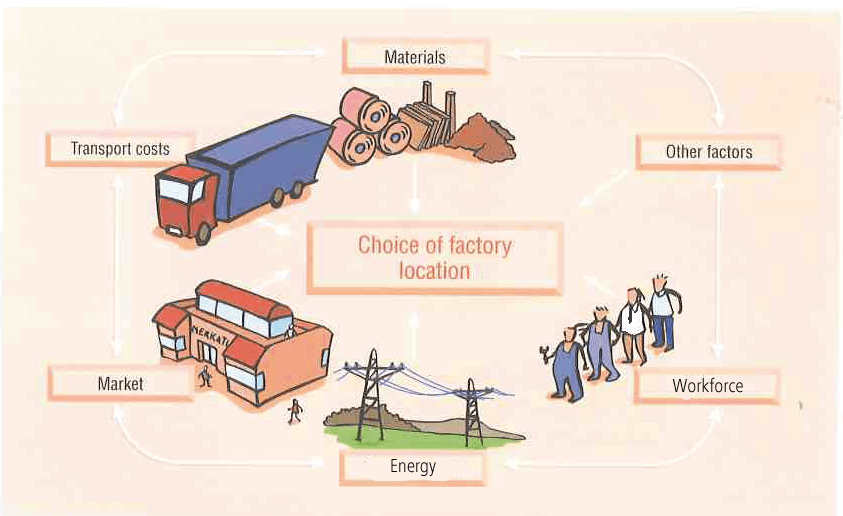
Which of the following is a bulk-gaining industry?
A soda bottling company
Copper or zinc smelting
A paper manufacturing plant
A winery
All of the answer choices represent bulk-gaining industries

In a bulk-gaining industry:
companies make money buying and selling bulky items.
companies assemble products whose weight is greater after assembly.
companies make weight-gain supplements.
maquiladoras provide the labor force.
production centers are far from their markets.
Alfred Weber's Least Cost Theory takes into account all of the following EXCEPT:
locating markets close to raw materials.
transportation costs.
weight of raw materials.
agglomeration costs.
consumer demand for the finished product.

An example of a product made by a bulk-reducing industry is:
potato chips.
milk.
automobiles.
homes.
textiles.
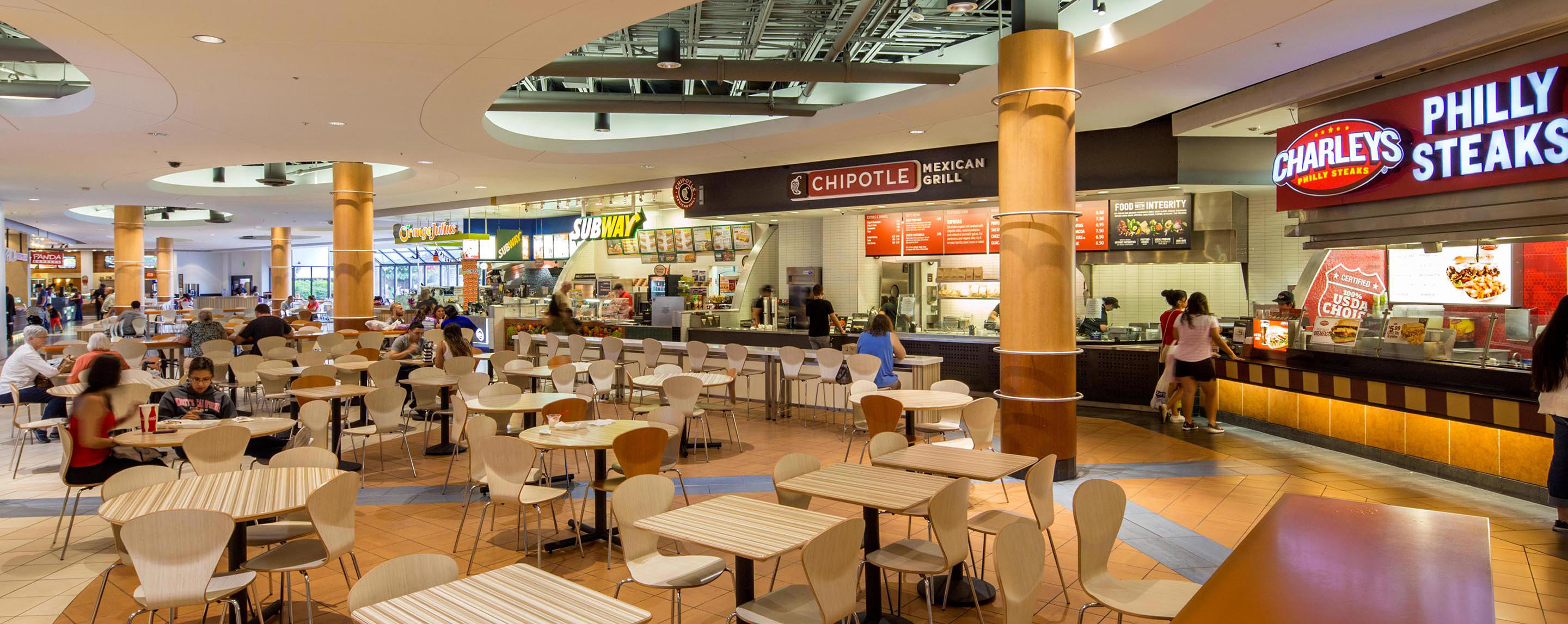
Shopping malls are an example of:
urbanization.
deglomeration.
agglomeration.
cumulative causation.
gentrification.
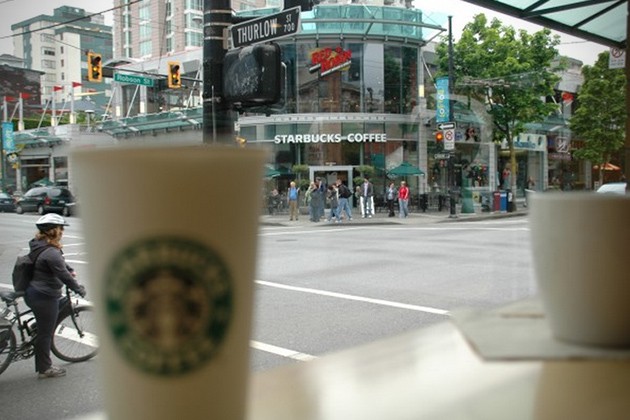
Deglomeration occurs when a location:
experiences a natural disaster.
does not have a large enough labor force.
is saturated with businesses offering similar goods/services.
sees an increase in large firms moving in.
experiences a rapid loss of manufacturing activity.

Which is the BEST example of a footloose activity?
a steel mill
an auto assembly plant
a software engineering firm
a real estate office
an aluminum smelter

Silicon Valley in Northern California is famous as the home of many businesses that produce high-tech products or provide services to high-tech companies. This demonstrates the principle of:
outsourcing.
post-Fordism.
market dependence.
back office processing.
agglomeration economies.

The most important cost in Weber's Least Cost Theory is:
labor costs.
transportation costs.
infrastructure costs.
energy production costs.
land plot costs.

