Wayground logo

Free Printable Worksheets

Font size

S
M
L
XL
Worksheets

Frey/Dyer

Total questions: 29

Worksheet time: 56mins

Name
Class
Date
1.
What is the climate of the Temperate Deciduous Forest?
a)
Tropical
b)
Temperate
c)
Warm
d)
Deciduous
2.
What is the average temperature of the Temperate Deciduous Forest?
a)
30 F°
b)
60-80 F°
c)
50 F°
d)
20-40 F°
3.
What is the average rainfall in the Temperate Deciduous Forest?
a)
30-60 inches of snow
b)
50-70 inches of rain
c)
20-40 inches of snow
d)
30-60 inches of rain
4.
The soil in the Temperate Deciduous Forest is _________
a)
Rich with money
b)
Dry
c)
Rich with nutrients
d)
Nutrients
5.
Where is the Temperate Deciduous Forest located in America?
a)
'Merica
b)
Southeast Asia
c)
Southwest Australia
d)
Southeast America
6.
Where are other locations where the Temperate Deciduous Forest is located?
a)
China, Russia, Japan, Canada, and Europe
b)
Canada and Europe
c)
Asia, Australia, Europe,Africa, and South America
d)
'Merica
7.
Which CONTINENT is home to the majority of the world's rainforests?
a)
South America
b)
North America
c)
Africa
d)
Australia
8.
__________________________ have leaves that change color and then fall to the ground.
a)
Incredulous Forests
b)
Savannahs
c)
Deciduous Forests
d)
Tundras
9.
Biotic factors of an ecosystem are:
a)
non-living
b)
plants
c)
living thing
d)
soil
10.
Identify an a example of an abiotic factor?
a)
Panda
b)
Turtle
c)
Butterfly
d)
sunlight
11.
Which two biomes have the least precipitation?
a)
tropical rain forest and temperate grasslan
b)
savanna and tropical dry forest
c)
tundra and desert
d)
boreal forest and temperate woodland
12.
This biome is found around the equator and is home to a large amount of biodiversity.
a)
Deserts
b)
Tropical Rain Forests
c)
Savannas
d)
Chaparral 
13.
Areas defined by their geographical location and ecological similarity are called?
a)
ecozones
b)
biotopes
c)
biomes
d)
biodomes
14.
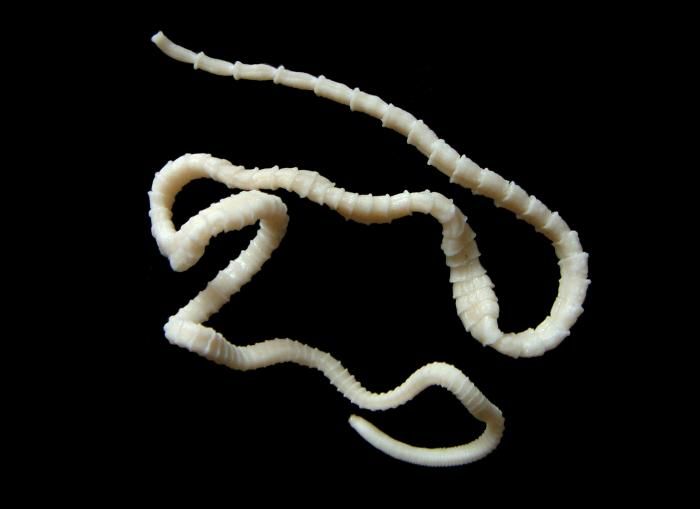
A tapeworm and a cat have this type of relationship.
a)
mutualism
b)
parasitism
c)
commensalism
d)
competition
15.
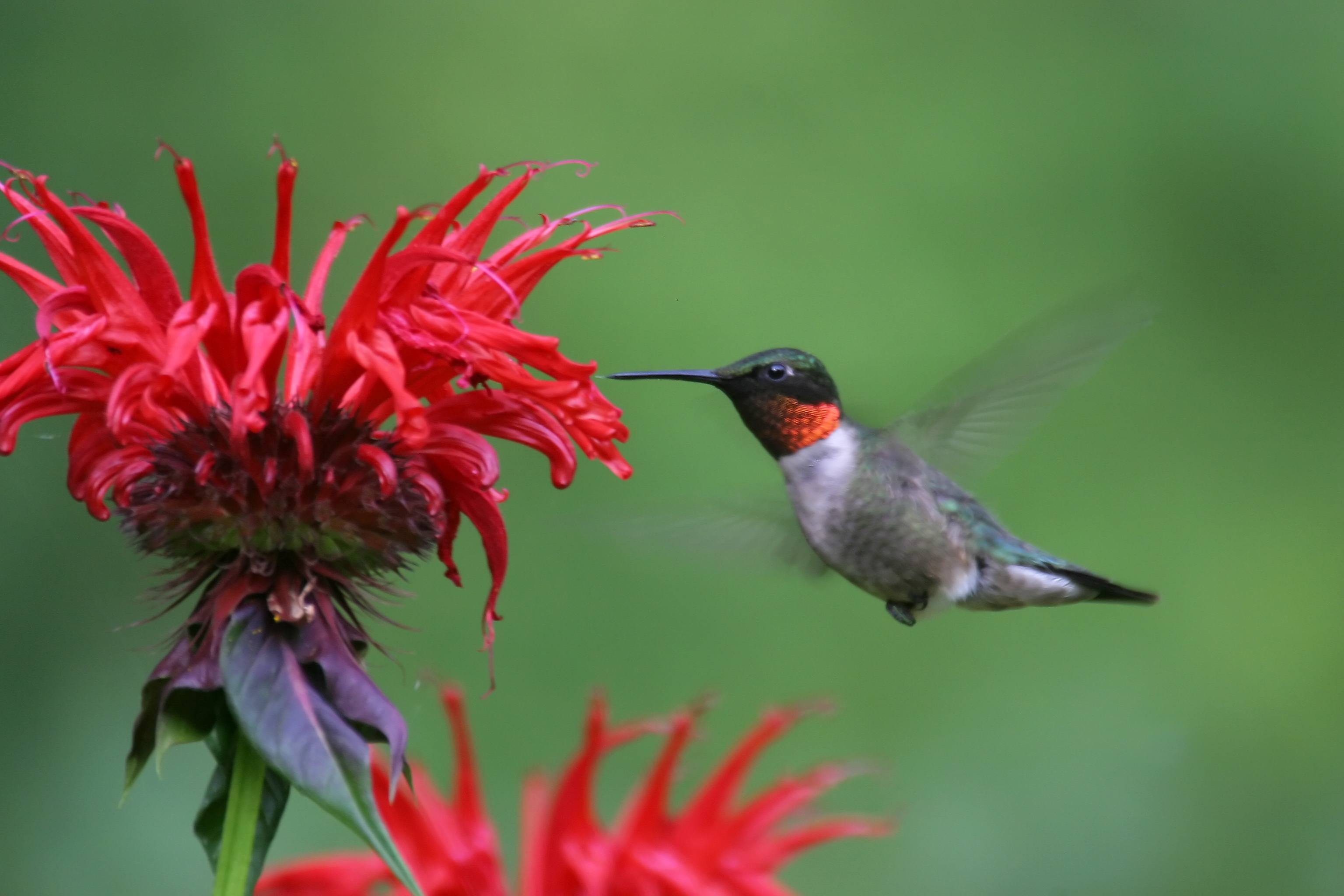
What type of symbiosis?  Hummingbirds feed on nectar from flowers.  The flowers are pollinated by hummingbirds as they move from flower to flower.
a)
commensalism
b)
mutualism
c)
parasitism
d)
predation
16.

Aphids are tiny insects that live on and eat the leaves of plants, removing vital nutrients from the plants.

a)

Predation

b)

Parasitism

c)

Commensalism

d)

Mutualism

17.
What color of star is the hottest?
a)
Blue
b)
Red
c)
Yellow
d)
Orange
18.
What is the name of the largest stars?
a)
Protostars
b)
Supergiants
c)
Red Giants
d)
Dwarf Stars
19.

When the sun gets higher in the sky, shadows get ______.

a)

longer

b)

gone

c)

shorter

d)

darker

20.

When the sun gets lower in the sky, shadows get______.

a)

longer

b)

gone

c)

shorter

d)

darker

21.

1. What is our main source of light?

a)

sun

b)

moon

c)

trees

22.

What does the moon orbit?

a)

Earth

b)

a star

c)

a space rock

d)

a satellite

23.

When was this picture most likely taken?

(Hint: think about the shadow's length)

a)

morning or evening

b)

night

c)

noon

d)

afternoon

24.

If it is summer in the northern hemisphere, what season is it in the southern hemisphere?

a)

spring

b)

winter

c)

fall

d)

summer

25.

Why is it colder in winter than in summer?

a)

The earth is tilted toward the sun.

b)

The earth is farther away from the sun.

c)

The earth is tilted away from the sun.

d)

The earth is closer to the sun.

26.
Why do we experience the changing of the season on the earth?
a)
distance from the sun
b)
rotation of the earth
c)
change in solar output
d)
tilt of the earth's axix
27.
The spinning of a planet, moon, or star around its axis
a)
Orbit
b)
Equator
c)
Rotation
d)
Revolution
28.
The movement of one object around another.
a)
Axis
b)
Orbit
c)
Revolution
d)
Rotation
29.
The path an object follows as it revolves around another object.
a)
equator
b)
orbit
c)
rotation
d)
revolution