Worksheets
Lab Safety Review
Total questions: 34
Worksheet time: 40mins
If you do not understand a direction or part of a laboratory procedure, you should
ask the teacher before proceeding.
skip it and go on to the next part.
figure it out as you do the lab.
try several methods until something works.
If a fire erupts, immediately
run for the fire extinguisher
throw water on the fire.
notify the teacher.
open the windows.
Approved eye protection devices (such as goggles) are worn in the laboratory
only if you do not have corrective glasses.
to avoid eye strain.
to improve vision.
any time chemicals, heat, or glassware are used.
You have been injured in the laboratory (cut, burned, etc.). First you should
visit the school nurse after class.
see a doctor after school.
tell the teacher at once.
apply first aid yourself.
Long hair in the laboratory must be
held away from the experiment with one hand.
tied back or kept entirely out of the way with a hair band, etc.
cut short
always neatly groomed.
When handling animals, students should
not tease or handle animals roughly.
open cages only with permission.
report bites or scratches to the teacher immediately.
all of the above.
Horseplay, practical jokes, or pranks in the classroom are
not dangerous.
okay if you are working alone.
always against the rules.
okay.
If a piece of equipment is not working properly, stop, turn it off, and tell
your best friend in class.
your lab partner
the teacher.
the principal.
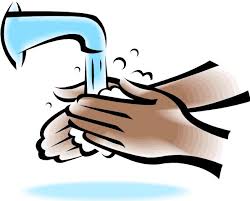
When you finish working with chemicals, biological specimens, and other lab substances, always
wipe your hands with a towel.
treat your hands with skin lotion.
wash your hands thoroughly with soap and water.
wipe your hands on your clothes.
The following activity is not permitted in the laboratory:
chewing gum.
eating.
drinking.
all of the above.
When using a razor blade or scalpel, always cut material
in your hand
away from you
toward you
perpendicular.
Before you leave the science room, you should
wash your hands with soap and water.
return all equipmernt to the proper storage area.
clean your work area and equipment.
all of the above.
All chemicals in the lab (including foodstuffs and store-bought chemicals) should be treated as if they could be hazardous.
True
False
Work areas should be kept clean and tidy.
True
False
Laboratory work may be started immediately upon entering the laboratory even if the teacher is not yet present.
true.
false.

Which of the following cannot be worn on a lab day?
Shorts
Pants
Contact lenses
Closed-toed shoes

Which of the following do you NOT need to report to your instructor IMMEDIATELY?
An injury to your lab partner
A spill
A broken piece of equipment
A dirty piece of equipment

Which is NOT a lab safety rule?
No running or horseplay
Following all directions
Asking for help if you need it
Ignoring a spill or mess
Which is NOT a lab safety rule?
No running or horseplay
Following all directions
Asking for help if you need it
Ignoring a spill or mess

If you are replacing a piece of glassware, it is important that you...
grab a replacement that you see on the counter in the classroom
grab a replacement from a cupboard
inspect a replacement from a cupboard to make sure it is clean/not chipped
pick up the broken glassware with your bare hands

When it is time to clean up, you should
dump any leftover solutions down the sink
put used supplies back in their cupboards
dispose of chemicals appropriately and clean lab bench/glassware
return unused chemicals to their original container
hide any bodies

Which of the following is allowed in the lab?
Food/gum
Beverages
Phones
Positive attitude!

Which of the following is a primary reason to keep the aisles clear in the lab?
it allows people to move around the lab more easily when carrying solutions
if someone gets hurt, they can get to the eyewash/shower quickly
it prevents clutter and maintains tidiness
it creates space for us to run around the lab faster

It is important to be alert when in the lab. Which of the following should you be aware of?
Touching your face when using chemicals/glassware
Your lab partner gets injured or is being unsafe
Wandering across the room to talk to other lab groups
Instruction that need to be given out as the lab progresses