
 Worksheets
Scientific Method
Total questions: 31
Worksheet time: 31mins
Name
Class
Date
1.
A series of steps used by scientists to solve a problem or answer a question.
a)
scientific method
b)
recipe
c)
data collection
d)
metric system
2.
Which is NOT a step in the scientific method?
a)
Make observation
b)
Form a theory
c)
Collect data
d)
Form a hypothesis
3.
A testable explanation to a problem that has not yet been tested.
a)
data
b)
theory
c)
hypothesis
d)
fact
4.
This variable in an experiment is the one being changed by the scientist.
a)
dependent variable
b)
independent variable
c)
data
d)
control group
5.

A scientist performs an experiment to see if acids have an effect on the health of a particular type of plant. Three sets of plants were treated with acidic solutions of known pH while the control set was treated with a solution of neutral pH 7.Which is the best conclusion for this experiment?
a)
Acid has no effect on the health of this type of plant.
b)
B. High acidity is helpful to this type of plant.
c)
C. Low acidity is harmful to this type of plant.
d)
High acidity is harmful to this type of plant.
6.

The graph below shows atmospheric carbon dioxide levels since the year 1880.Which of the following conclusions can be drawn from this graph
a)
Atmospheric carbon dioxide levels are responsible for global temperature change.
b)
Atmospheric carbon dioxide levels have been rising at about the same rate for the past century.
c)
Atmospheric carbon dioxide levels have remained the same over the past century.
d)
Atmospheric carbon dioxide levels have been rising at an increasingly higher rate as the past century has progressed.
7.

A research group has discovered that damselflies, a type of dragonfly, are being infected by a particular type of aquatic protozoan. Both young and adult damselflies are not directly infected by the protozoan but contract the infection from the prey they eat. The graph shows the percentage of adult damselflies infected by protozoans during the summer and early fal
a)
Infection in embanked ponds increased during the sampling period.
b)
Protozoans were more common in creek-fed ponds than embanked ponds.
c)
Protozoans reproduce more quickly in embanked ponds than creek-fed ponds.
d)
Infection in creed-fed ponds remained constant throughout the sampling period.
8.
In an appropriately designed experiment, a scientist is able to test the effect of
a)
a single variable
b)
multiple variables
c)
the hypothesis
d)
scientific observations
9.
Which statement best expresses a basic scientific assumption?
a)
Interpretation of experimental results has provided explanations for all natural phenomena.
b)
If a conclusion is valid, similar investigations by other scientists should result in the same conclusion.
c)
For any conclusion to be valid, the design of the experiment requires that only two groups be compared.
d)
After a scientist formulates a conclusion based on an experiment, no further investigation is necessary.
10.
Conclusions based on an experiment are most likely to be accepted when
a)
they are consistent with experimental data and observations
b)
they are derived from investigations having many experimental variables
c)
scientists agree that only one hypothesis has been tested
d)
hypotheses are based on one experimental design
11.
An experiment was carried out to determine whether drinking caffeinated soda increases pulse rate. The pulse rates of two groups of people at rest were measured. Group A was then given caffeinated soda and group B was given caffeine-free soda. One hour after drinking the soda, the pulse rates were measured. The participants in the experiment were all the same age, and they were all given the same amount of soda. The dependent variable in this experiment is the
a)
type of soda given to each group
b)
amount of soda given to each group
c)
pulse rate of each group
d)
age of participants in each group
12.

Susan said, “If I fertilize my geranium plants, they will blossom.”
a)
recognize a problem
b)
test the hypothesis with an experiment
c)
form a hypothesis
d)
draw conclusions
13.
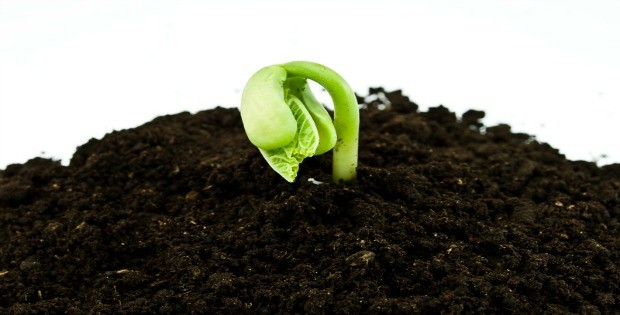
Stephen predicted that seeds would start to grow faster if an electric current traveled through the soil in which they were planted.
a)
recognize a problem
b)
test the hypothesis with an experiment
c)
form a hypothesis
d)
draw conclusions
14.
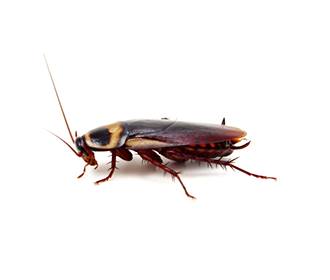
Johathan’s data showed that household cockroaches moved away from raw cucumber slices.
a)
recognize a problem
b)
test the hypothesis with an experiment
c)
form a hypothesis
d)
draw conclusions
15.

Kathy used a survey to determine how many of her classmates were left-handed and how many were right-handed.
a)
recognize a problem
b)
test the hypothesis with an experiment
c)
form a hypothesis
d)
draw conclusions
16.
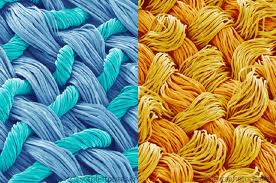
Dana want to know how different are synthetic fibers from natural fibers.
a)
recognize a problem
b)
test the hypothesis with an experiment
c)
form a hypothesis
d)
draw conclusions
17.
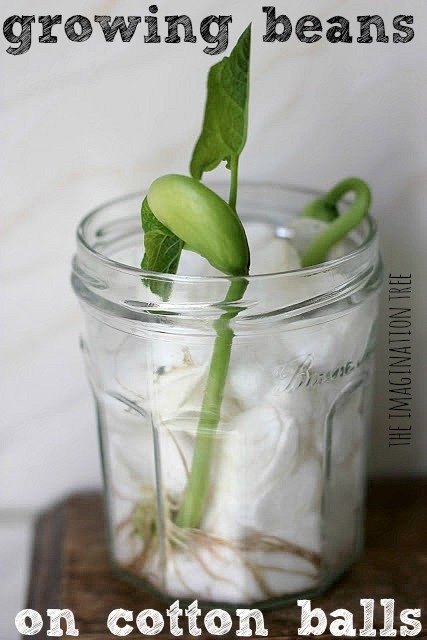
Arjulia soaked six different kinds of seeds in water for 24 hours. Then she planted the seeds in soil at a depth of 1 cm. She used the same amount of water, light, and heat for each kind of seed.
a)
recognize a problem
b)
test the hypothesis with an experiment
c)
form a hypothesis
d)
draw conclusions
18.
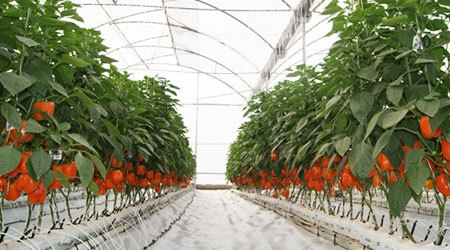
Bob read about growing plants in water. He wanted to know how plants could grow without soil.
a)
recognize a problem
b)
test the hypothesis with an experiment
c)
form a hypothesis
d)
draw conclusions
19.
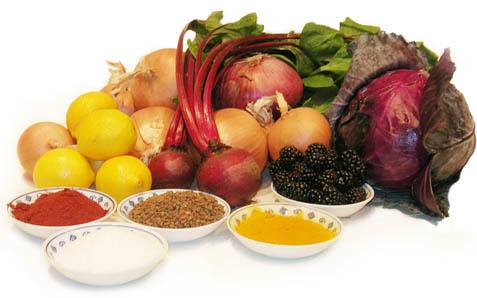
Justin wondered if dyes could be taken out of plant leaves, flowers, and stems.
a)
recognize a problem
b)
test the hypothesis with an experiment
c)
form a hypothesis
d)
draw conclusions
20.
A testable explanation to a problem that has not yet been tested.
a)
data
b)
theory
c)
hypothesis
d)
fact
21.
Testing a hypothesis often involves a(n):
a)
answer
b)
experiment
c)
problem
d)
safety check
22.
Dependent variable means
a)
the scientist controls what to test
b)
educated guess
c)
ask a question
d)
what is being measured
23.
If you increase the amount of spinach you eat, then you will increase the iron in your blood.
What's the dependent variable?
What's the dependent variable?
a)
increase the amount of iron in your blood
b)
spinach you eat
24.
If I ride my bike to school instead of walking, then I will get to school faster. What is the dependent variable?
a)
True
b)
How fast you get to school
c)
Riding a bike or walking
d)
False
25.
Will a construction paper air plane fly faster than an airplane made from notebook paper? Choose the best hypothesis.
a)
If I make a paper airplane from notebook paper, then it will fly faster than construction paper.
b)
Yes.
c)
No.
d)
I think the construction paper air plane will fly faster.
26.
If I read this question carefully, then I will answer it correctly. What is the independent variable?
a)
I hope so
b)
Yes
c)
Reading or not reading carefully
d)
Likelihood of a correct answer
27.
You use the scientific method all the time to solve everyday problems.
a)
True
b)
False
28.
This is the group that we will compare our experimental group to. This group stays "normal."
a)
Control Group
b)
Experimental Group
c)
Normal Group
d)
Weird Group
29.
This is the group that we will compare our experimental group to. This group stays "normal."
a)
Control Group
b)
Experimental Group
c)
Normal Group
d)
Weird Group
30.
True or False: Your hypothesis can never be wrong.
a)
True
b)
False
31.
After you write your conclusion, it is important to share your results with others.
a)
True
b)
False
100 %

