
 Worksheets
Civics Quarter 3 QSMA Review
Total questions: 35
Worksheet time: 46mins

Which court case that declared segregation of schools ILLEGAL?
Brown v. Board of Education
Civil Rights Act of 1964
Plessy v. Ferguson

Who was a main leader in the fight for African Americans' equal rights in the 1960s?
Martin Luther King Jr.
Thurgood Marshall
Oveta Culp Hobby
Lyndon B. Johnson

Which amendment gave women the right to vote?
13th
14th
15th
19th
Peacefully speaking out against a problem usually by protesting or boycotting something is called
Freedom Rides
Freedom of Speech
Non-violent protests
Sit-ins
Who was arrested for refusing to move on a bus? The result led to the Montgomery Bus Boycott.
Lulu Belle Madison White
Rosa Parks
Dorie Miller
Martin Luther King, Jr.
The rights due to all U.S. citizens under the constitution are called
Nonviolent protests
Civil rights
Voting Rights
the Bill of Rights
In order to uphold the rule of law, courts should remain
silent
partial
impartial
dedicated

This figure is a
symbol of the American justice system. What does the blindfold covering the figure’s eyes represent?
equality under the law
separation of powers
checks and balances
natural law
News article, "Miami Ex-Officer Gets 2 Years' Prison for Gambling Bribes, " www.cbslocal.com, May 17, 2015
Based on the title of this article what can s
Leaders and government officials are held accountable to the law.
Leaders and government officials are not accountable to the law.
There is no transparency of institutions.
The laws are not legitimate.

This country is run by a
dictator who makes all
decisions regarding the
government. Which form of government is being represented?
Autocracy
Parliamentary
Socialism
Communism
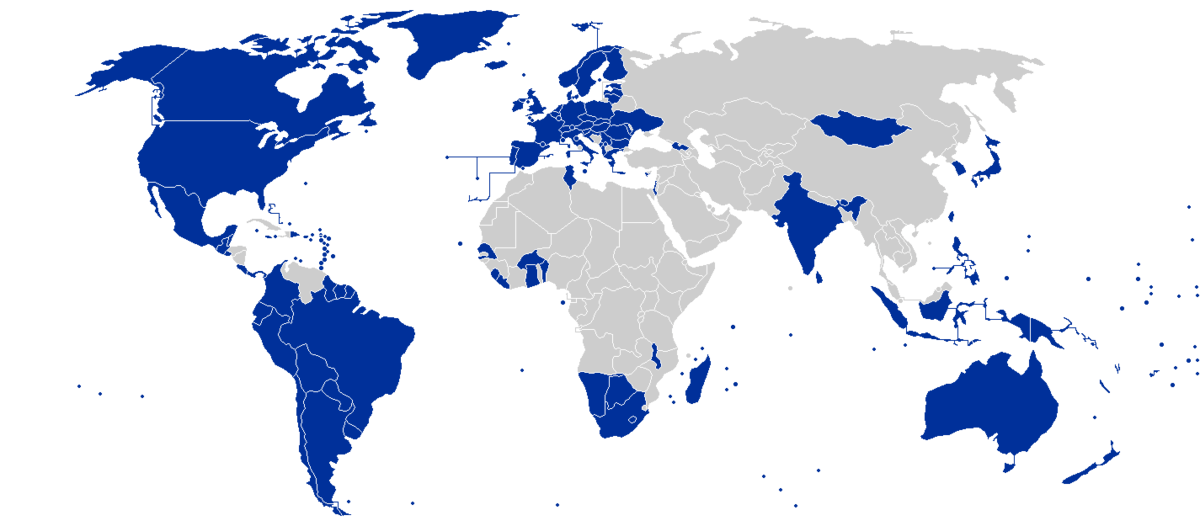
Within this country, each citizen has a vote to elect the persons who will represent them in the governmental decisions. Which form of government is being represented?
Federal
Direct Democracy
Representative Democracy/Republic
Monarchy

In this country, the government distributes wealth and services in order to provide for citizens. Which form of government is being represented?
Oligarchy
Monarchy
Socialism
Direct Democracy
The power of government is held with the legislative body, with a Prime Minister in charge. Which system of government is being represented?
Confederal
Parliamentary
Federal
Unitary
Fidel Castro took power as dictator over Cuba and made it communist in 1959 after leading the Cuban Revolution. Under this government system, only one political party was in control and only one person, Castro, made all decisions for the citizens. Which system of Government is being represented?
Parliamentary
Federal
Confederal
Unitary
Since its 1917 constitution, Mexico has had a central government based in its capital, Mexico City, and thirty-one states that also have their own state governments and share power with the central government. Which system of government is being represented?
Unitary
Confederal
Federal
Parliamentary
What did the Fifteenth Amendment protect?
Freedom of religion
Freedom of speech
The right of all people to vote regardless of race
Freedom of the press
What lessons did future U.S. leaders learn from the 1974 U.S. Supreme Court case United States v. Nixon?
The president is accountable for obeying the law
The president is responsible for enforcing the law
The president is not allowed to hold secret talks with foreign governments
The president is not allowed to have private meetings with Cabinet members

The newspaper headline below describes an event in U.S. history.
Which parts of the national government participated in the process described in the newspaper headline?
Senate and President
Supreme Court and President
House of Representatives and Senate
Supreme Court and House of Representatives
Necessary and proper clause gives ability to create these from expressed powers
presidential power
veto power
expressed power
implied powers
an amendment to the U.S. Constitution that defines citizenship, grants citizenship to former slaves, and defines voters as males at least 21 years of age
15th Amendment
legal permanent resident
14th Amendment
naturalization
beliefs or actions that are seen as a benefit to the community rather than individual interests, also known as the public good
law of blood
common good
law of soil
obligation
something a person should do
responsibility
naturalization
citizen
selective service
any person not a citizen or national of a country
resident
naturalization
citizen
alien
a legal member of a state and/or country
alien
citizen
resident
law of soil
a system by which men ages 18 through 25 register with the U.S. government for military service
law of blood
selective service
citizen
common good
a person who comes to a country to live permanently
citizen
immigrant
alien
legal permanent resident
someone who is legally and permanently living in the U.S., but not a citizen
legal permanent resident
14th Amendment
naturalization
immigrant
Type of gov't where everyone votes on the issues.
Representative democracy
Oligarchy
Direct democracy
unitary
Which branch has the power to make treaties with other countries?
Legislative/Congress
Executive/President
Judicial/Courts
All of the following goals are outlined in the preamble of the constitution EXCEPT
Promote general welfare
Identify rights of all citizens
Provide for common defense
Establish a more perfect union
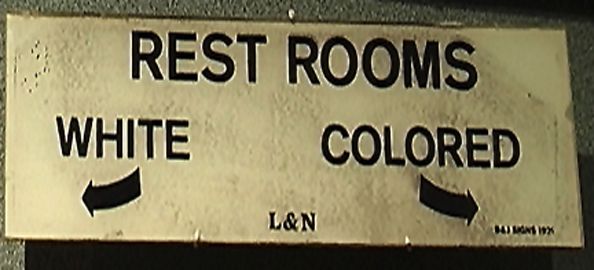
Legal or social separation of races.
Segregation
Lobbying
Boycotting
The elastic clause of the United States Constitution gives Congress the power to...
“make rules for the government and regulation of the land and naval forces;…”
“regulate commerce with foreign nations, and among the several states, and with the Indian tribes;…”
“lay and collect taxes, duties, imports and excises,…”
“make all laws which shall be necessary and proper for carrying into execution the foregoing powers,…"
Maria was born in Italy to an American father and an Italian mother – is she a U.S. citizen? Why?
Yes, Law of Soil
No, she would need to be naturalized
Yes, Law of Blood
No, Maria is an Italian citizen

