
NEW
Font size
 Worksheets
Landmark Supreme Court Cases (iCivics)
Total questions: 18
Worksheet time: 10mins
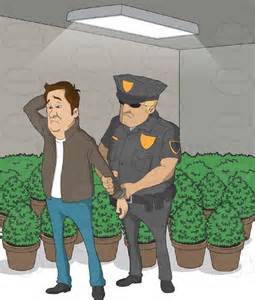
Suspects cannot be questioned (interrogated) until they are informed of their rights (right to remain silent, right to an attorney, etc.)
Brown v Board of Education
Miranda v Arizona
Tinker v Des Moines
Bush v Gore
This case stated that during times of war, protective measures may be taken even if they violate a certain racial groups civil rights:
Plessy v. Ferguson
Korematsu v. United States
Marbury v. Madison
Gibbons v. Ogden
Because of this case, you now sit in a classroom with people from many different racial and ethnic backgrounds:
Plessy v. Ferguson
Marbury v. Madison
Gibbons v. Ogden
Brown v. Board of Education
This case strengthened the power of the Supremacy and Commerce Clauses in the Constitution:
Marbury v. Madison
Gibbons v. Ogden
Plessy v. Ferguson
Korematsu v. United States
The power of judicial review was established and first used by the Supreme Court in this case:
Marbury v. Madison
Gibbons v. Ogden
Gideon v. Wainwright
Brown v. Board of Ed.
During World War II, Americans of _______________ ancestry were put into internment camps.
French
Dutch
Japanese
German
Which of these cases had to do with steamboat licences?
Marbury v. Madison
Gibbons v. Ogden
Plessy v. Ferguson
Korematsu v. U.S.
Which landmark case is known for ESTABLISHING the "Separate but equal" doctrine?
Marbury v. Madison
Plessy v. Ferguson
Brown v. Board of Ed.
Gideon v. Wainwright
The Gault case established that _____________ should have rights just like adults
elders
minors
aliens
US v. Nixon is considered a landmark case because it provided what lesson for future leaders?
You must obey a court order
The president is accountable for enforcing the law
The president is not above the law
The president is not allowed to have private meetings
Which of the following two cases both deal with the 14th amendment and the “separate but equal” doctrine?
Which of the following two cases both deal with the 14th amendment and the “separate but equal” doctrine?
Brown v. Board of Education & Gibbons v. Odgen
Plessy v. Ferguson & Brown v. Board of Education
Brown v. Board of Education & U.S. v. Nixon
Police officers today issue a warning when an accuse person is arrested because of the _________________ case.
Korematsu v. United States
Miranda v. Arizona
Gideon v. Wainwright
Texas v. Johnson
What is the MAIN REASON the Supreme Court ruled that flag-burning was actually legal?
It was only illegal by Texas law
It's a form of "expressive conduct" protected by the 1st Amendment
Johnson wasn't actually hurting anyone
It's allowed during a protest
Which of these cases overturned the ruling in the Plessy case?
Korematsu v. United states
Gibbons v. Ogden
Marbury v. Madison
Brown v. Board of Education
This case started with a prank phone call.
Tinker v. Des Moines
In Re Gault
DC v. Heller
Gideon v. Wainwright
In the Marbury v. Madison case, what was William Marbury asking the Supreme Court for?
a Writ of Mandamus that would force his commission to be delivered
a pardon for a crime he had committed
a ruling that stated that he should have Madison's job
In the case of In re Gault, Gerald Gault insisted that his ______ amendment rights had been violated.
1st
5th
6th
14th
Judicial Review allows the Supreme Court to do what?
Find persons innocent until proven guilty
Determine if a law is unconstitutional
Limit the number of cases they hear
Determine who will be the next Chief Justice

