
 Worksheets
WH Unit 6 Review
Total questions: 33
Worksheet time: 25mins
What was the name of the war where Britain sent navy to force China to allow Britain to sell opium in China
Opium War
War of 1812
War of the worlds
English war
What is domination by one country of the political, economic, or cultural life of another country or region
Imperialism
Industrialization
What is the name of the reform in education, military, and industrial changes made after Japanese studied western nations
Sushi
Tokyo
Western
Meiji
The view that a nations most "fit" to survive had the right to dominate others
Dominator
Survivalist
Social Darwinism
Winner
What is a territory settled and ruled by people from another land
colony
territory
spoils
Island

Why was the Industrial Revolution important for Imperialism?
countries needed natural resources (Africa) or markets (Asia).
Africa became the most industrialized region
allowed industrialized nations to take slaves.
enabled the two types of nations to strengthen each other.
The visit of Commodore Perry encouraged (forced) the Japanese to
close its ports to all Western traders.
declare war on Russia to gain Korea as a buffer zone.
end isolationism and trade with the United States
try to build its own modern navy before Perry's return.
What was the Meiji Restoration?
a period of industrial growth in China
the return of Indian art objects
a period of modernization and industrialization in Japan
the return of African lands after the Zulu Wars
This country in Asia was known as Britain's "crown jewel".
China
Manchuria
India
Korea
What does the phrase "the sun never sets over the British Empire" mean?
it's always sunny in Britain
it shows how dangerous they were
it shows how large their empire was
is a reference to the shiny money they had
The Opium War was caused by Britain continuing to sell opium to China.
true
false
What was a result of the Indian Mutiny (Sepoy Rebellion) in India
India became a direct colony of Britain
India gained its independence
other European nations gained control of India
the spheres of influence were expanded

What is the movement of people from farms to cities?
Utilitarianism
Urbanization
Proletariat
Enclosure Movement

A place where people and machines join together to mass produce goods.
Cartel
Corporation
Factory
Urbanization
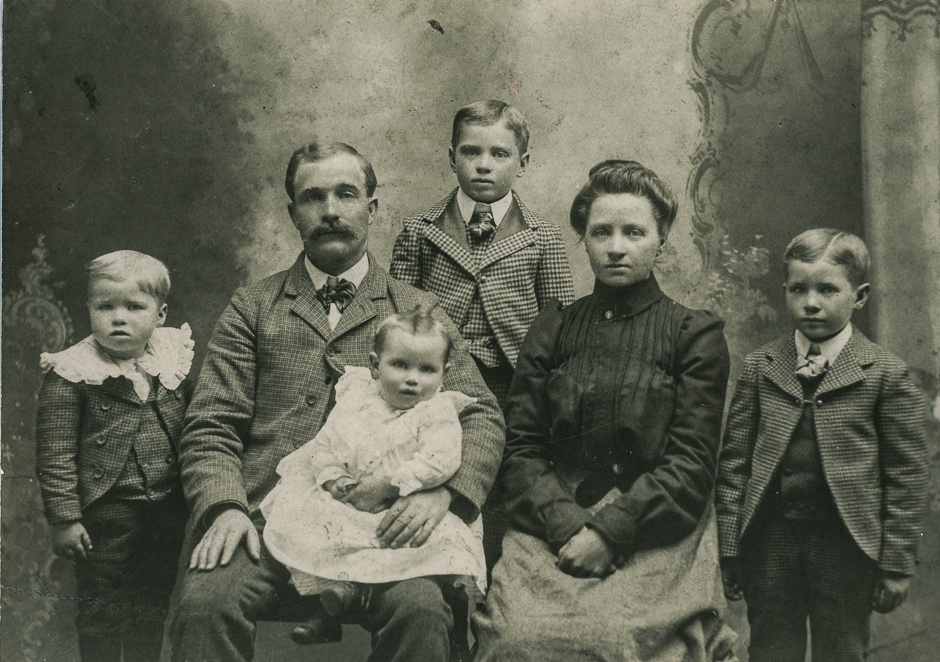
The Industrial revolution created a new ____________ class of merchants and factory managers.
Upper
Poor
Lower
Middle

__________ is known as the Father of modern economics, who theorized Laissez-Faire, the idea that the market should have no political interventions?
Adam Smith
Karl Marx
Thomas Malthus
Frederick Engels

In which European country did the Industrial Revolution begin?
France
Britian
Prussia
Spain

Some of the machines invented in the 18th and 19th centuries are:
telephones, geographic positioning system, radios, airplanes
steam engine, railroads, flying shuttle, phonograph, steam ships, light bulb
sailboats, automobiles, wheel barrels, clocks, word processors
automatic washer, hair dryer, rockets, space shuttles

Which of the following is considered an impact of Industrialization during the 18th and 19th centuries?
Increased competition between industrialized nations
Rise of global inequalities
Transformation of society.
All of the above

Capitalism is
An economic system in which the means of production are privately owned and money is invested to make profits.
An economic system in which the means of production are owned by the public (government) and operate for the welfare of all.
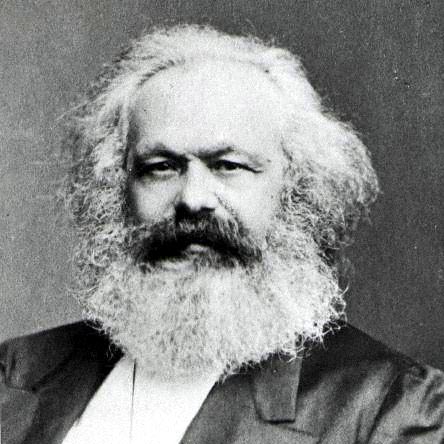
__________________ predicted a violent revolution that would result in the working class taking over in a classless political and economic systems known as communism.
John Adams
Thomas Smith
Karl Marx
Edward Jenner
How did the move from farm to factories change peoples lives?
land owners had to share their land
cities grew as people moved to work in factories
urbanization was a myth
the cottage industry thrived
Why was England the first to Industrialize?
It already had large cities
It had very little natural resources like diamonds and gold
It had tons of natural resources like coal, iron and rivers
It was located in the middle of Europe
What industry was revolutionized by inventions like the spinning jenny, the power loom and the steam engine? (hint - first business to industrialize)
Textile Industry
Steel Industry
Coal Industry
Transportation Industry
Which of the following is SOCIAL effect of the Industrial Revolution?
the increase in air pollution
an increase in deaths by road accidents
pollution
people dying from lack of food
the rise of the industrial middle class and industrial working class
The unification of Germany and the Meiji Restoration both included what type of ideas?
utopianism
conservatism
nationalism
religion
Otto von Bismarck used blood and iron and realpolitick to unify which country?
Germany
Britain
China
Japan
Which of the following were negative effects of the Industrial Revolution? (Select all that apply)
pollution
poor working conditions
overcrowded cities
increase in wages

