
 Worksheets
LS1-Learning Set #1 Test Review
Total questions: 30
Worksheet time: 35mins

All energy on Earth ultimately comes from what source?
Water
Sun
Consumers
Oxygen

You should eat a banana every day. Bananas have nutrients like potassium and magnesium. Because our bodies need potassium and magnesium to work, it is a good idea to eat a banana every day.
Which is the evidence?
Bananas have nutrients like potassium and magnesium.
Because our bodies need potassium and magnesium to work, it is a good idea to eat a banana every day.
You should eat a banana every day because they have nutrients.
Bananas are sweeter when they are ripe.
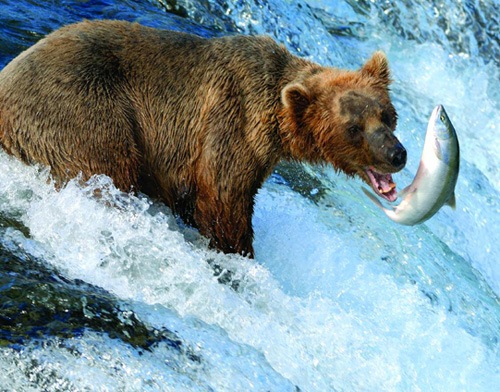



Which are examples of an organism?
An ant on an anthill
A bunch of bacteria growing in a pond
A flock of geese
A maple tree in your front yard
A fish swimming in a lake

Which definition BEST describes population?
The number of all living things in a certain area.
The number of the different kinds of living things in an area.
The number of one kind of living thing in an area.
A certain kind of living thing by itself.
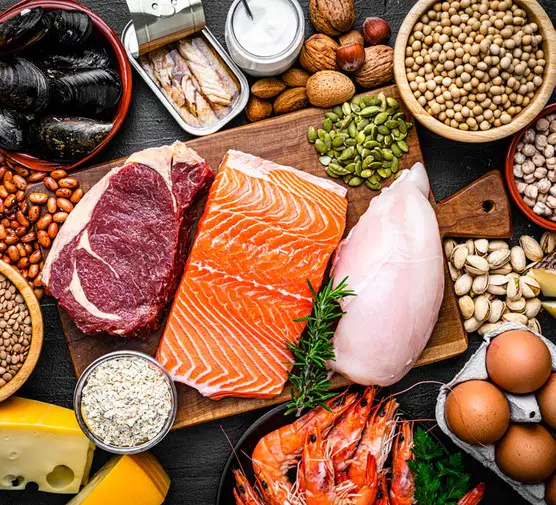
Grace is planning a balanced diet and wants to include various proteins. What are proteins?
Eggs
Meat and Fish
Nuts and Legumes
All of the above

What is the BEST definition of interaction? (Select ONE.)
How an organism has an effect on something around it.
How many organisms live in a certain area.
One living thing of a certain species.
When one living thing talks to another living thing.

Which of these items on a food label IS NOT food?
fat
calories
carbohydrates
protein

Daniel is observing giraffes in the wild and wants to know what they need to survive. What are the basic needs for survival of organisms?
Water, habitat, & reproduction
Habitat, consumption, & food
Food, air, & development
Habitat, food, & water
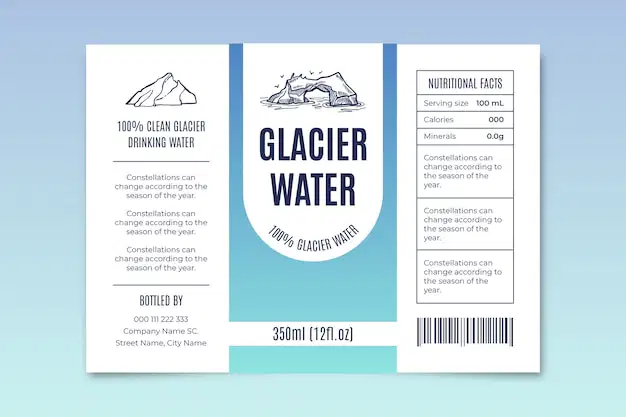
Water is not food. What evidence best supports this claim?
Water tested positive for all the substances that make up food.
Water is needed for organisms to stay hydrated.
Water tested negative for all the substances that make up food.
Water turned black with the iodine indicator.

What substances are found in foods?
carbohydrates, calories, fat
fat, protein, calories
starch, sugar, fat
carbohydrates, fat, protein
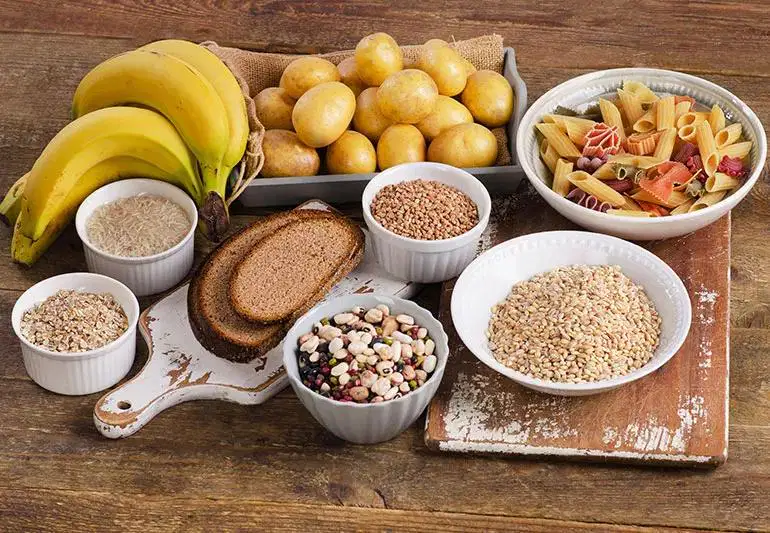
During a nutrition class, Jackson learned that sugars & starch are _____?
carbs
fats
proteins
none of these
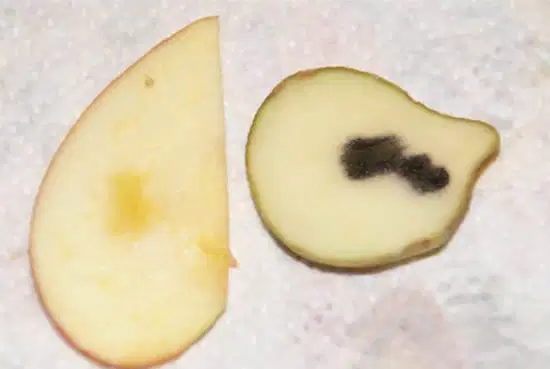
What evidence supports the claim that plants make their own food for energy and building materials?
Milk turned light purple with Biuret solution.
Rice water turned orange with Benedict solution.
Potato and lima beans turned black with iodine indicator.


Identify the indirect relationship in the food web.
Krill & Cod
Phytoplankton & Herring
Scallop & Seal
Phytoplankton & Tuna
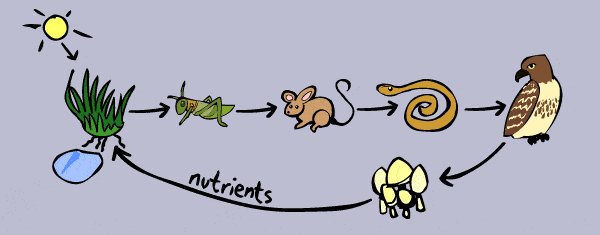

What is an invasive species?
A species that has left its native area & moved to new area where it has no predators.
A species that has existed in an area for hundreds of years.
A species that is almost extinct in one area due to predators.
A species that has died off in one environment.

_______is where one organism effects another organims through another that is NOT directly connected.
Indirect Relationship
Trophic Relationship
Direct Relationship
Mutualistic Relationship

_______is where one organism is directly connected to another organims through the transfer of energy
Universial Relationship
Indirectd Relationship
Direct Relationship
Mutualistic Relationship


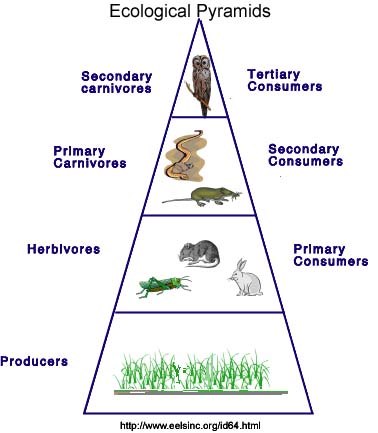

_______are organisms that break down dead organisms and release the nutrients from the dead matter into the environment.
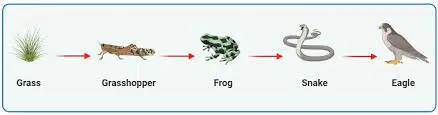
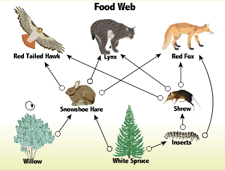

Evidence: Zoos cannot perfectly copy the animal's natural habitat. Zoos don't allow animals to think and problem solve like they would in their natural habitat. Which claim best matches the evidence?
Zoos are harmful to the well-being of the animals.
Zoos only exist as entertainment for humans.
Zoos are good for animals because many of the animals were endangered in their original habitats.

Look at the plant pictured above.
Based on this evidence, where can you claim the one window is located?
near 1
near 2
near 3
near 4

