
Font size
 Worksheets
8th - B3 Part 2
Total questions: 51
Worksheet time: 38mins

All waves have...
Wavelength, frequency, rest point & speed
Wavelength, frequency, rest point, & amplitude
Wavelength, frequency, amplitude & speed
Wavelength, amplitude, rest point & speed

Waves can only be transverse or longitudinal.
True
False

Does yarn conduct electricity?
Yes
No
Sometimes

Electricity happens when:
Protons bump into each other
Electrons move from one place to another
Potential energy is stored
A car strikes a power line

The magnetic field and electric field are parallel to each other
True
False

What does a magnet stick to?
Tree
Plastic straw
Iron
Aluminum

Every magnet has:
A south pole
A north pole
A magnetic field
All of the above

How many poles does a magnet have?
1
2
3
4

An open circuit:
Will not allow electricity to flow
Will gain electrons from friction
Will conduct heat
Will repel magnets

A closed circuit is:
A magnetic field of electromagnet
Circuit in which current is able to flow and light up a bulb
A battery connected to only wires
Unlike charges attracting each other

Which is the best written response for this question: Explain and give two examples for potential energy.
Potential energy is a rock at the top of a hill and a roller coaster at the top.
potential energy is stored energy.
Potential energy is stored energy for example a rock at the top of a hill and a roller coaster at the top.
Potential energy is going up for example a rock at the top of a hill and a roller coaster at the top.

What is an example of the third law of motion?
Pulling a tablecloth from under a dish
Pushing a shopping cart vs pushing a car
A rocket blasting off

At which location does the ball have the greatest amount of kinetic energy?
1
2
3
4

What does kinetic energy do?
It is due to the motion
It starts and stops the motion
Gotta go fast
An object that moves faster

What is potential energy?
It will go in the future
Stopping an object
It goes faster
It moves upward

Which is an example of kinetic energy.
A rock falling off a cliff
A trophy on the top shelf
At the top of a roller coaster
An apple about to fall off a desk

How does gravity affect kinetic energy?
It decreases
It increases
Stays the same
All of the above

The mass and the ______ of an object affect the amount of energy it possesses.
Friction
Gravity
Thermal energy
Speed
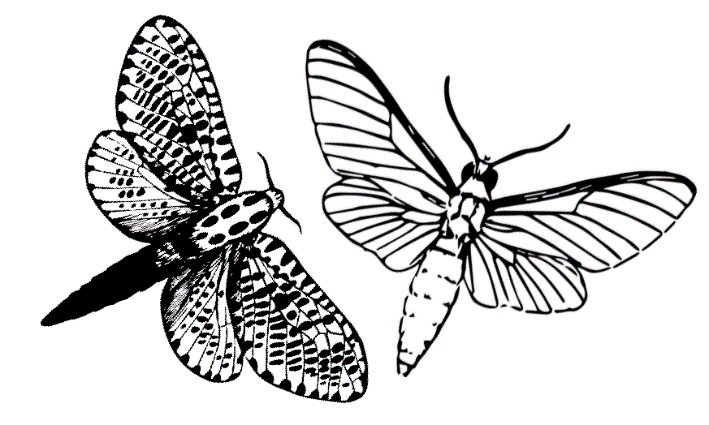
According to natural selection, light colored tree trunks would favor
light colored moths
dark colored moths
red colored moths
red and light colored moths
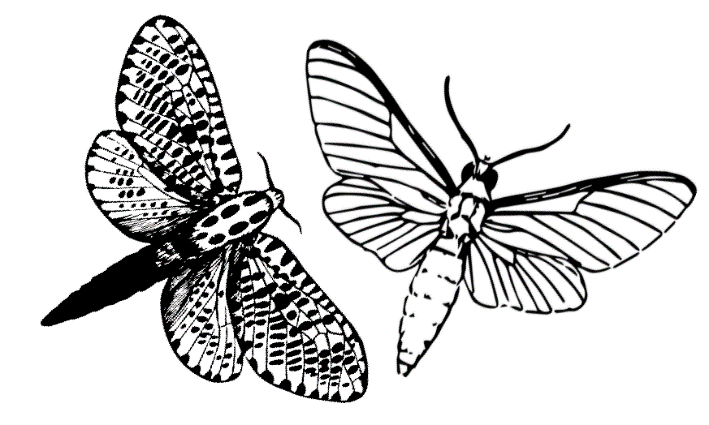
A physical trait favored by an environmental change can be called an
adaptation
extinction
possibility
mutation

The "gatekeeper" that controls what enters and enters and exits the cell would be shown by what letter on the diagram above?
A
B
C
D

The "Control Center" of the cell that makes energy for the cell would be shown by which label on the diagram above?
A
B
C
D

The "Powerhouse of the cell" would be shown by which label on the diagram above?
A
B
C
D

According to the Punnett Square, what is the probability of an offspring being purple?


Which organelle is DNA usually found in?
cell membrane
vacuole
chloroplast
nucleus
A stretch of DNA with instructions for one trait.
Chromosome
Gene
Nucleus
DNA
Half of these come from one parent, the other half come from the other parent.
Chromosomes
Genes
DNA
Nuclei
These contain specific instructions that make each living creature unique.
DNA
Genes
Chromosomes
Nucleus
change in a DNA sequence that affects genetic information
mutation
fitness
transformation
the principle that, among the range of inherited trait variations, those contributing to reproduction and survival will most likely be passed on to succeeding generations
fitness
natural selection
evolution
the gradual change in a species over time
natural selection
evolution
adaptation
What unique animals did Darwin find on the islands? (choose all that apply)
Tortoises
Iguanas
Finches
Frogs
What is a claim?
Answers a question or problem
long and detailed paragraph
Explains why something happened
What is evidence ?
Answers a question
Anything you see, hear or read or experience that causes you to believe something is true.
Long and detailed paragraph
What is reasoning?
Answers a question
Explaining how evidence supports a claim
Used to prove something true or false

