wayground logo

Free Printable Worksheets

NEW

Font size

S
M
L
XL
Worksheets

Ecology quiz - elearning

Total questions: 20

Worksheet time: 21mins
Name
Class
Date
1.
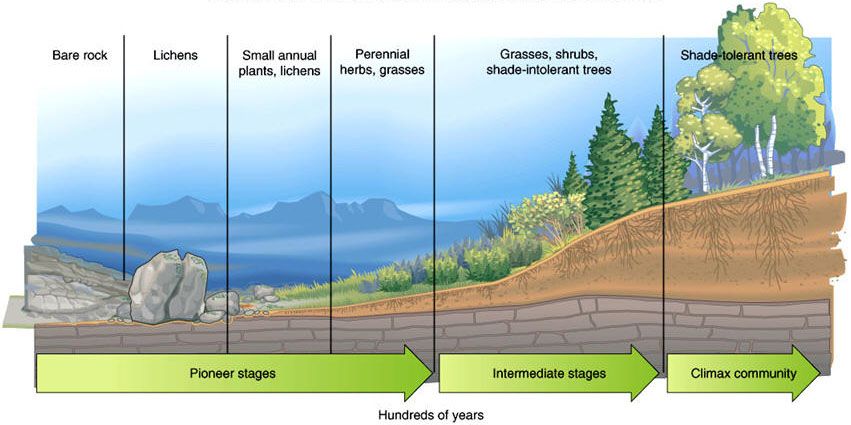
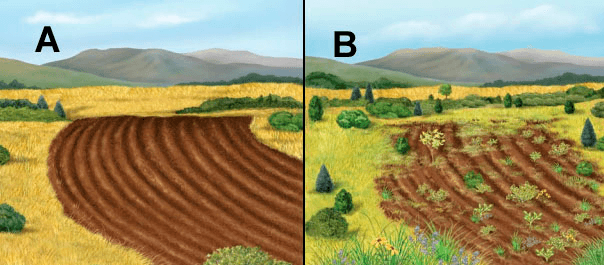
What type of succession is shown going from figure A to figure B?
a)
primary succession
b)
ecological succession
c)
secondary succession
d)
intermediate
2.
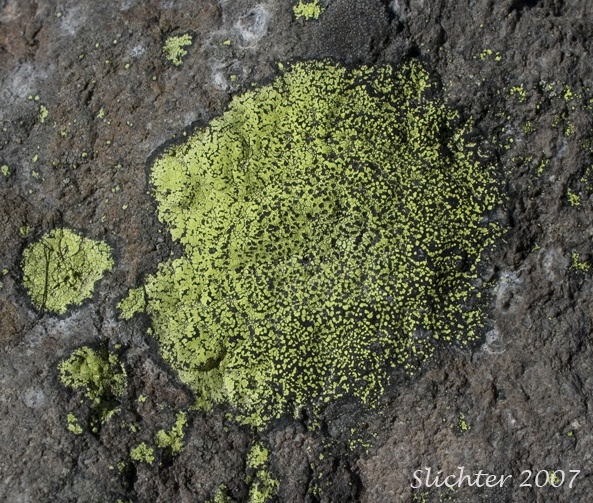
The picture shows what type of succession?
a)
primary
b)
secondary
c)
tertiary
d)
quadanary
3.
What is the name given to lichen or algae after a primary succession?
a)
pioneer species
b)
volunteer species
c)
founder species
d)
conqueror species
4.
Succession that occurs in an area with NO SOIL
a)
ecological succession 
b)
primary succession 
c)
secondary succession
d)
pioneer speciles
5.
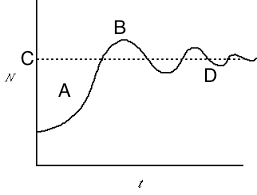
What is the order of succession shown in this figure?
a)
A, B, C, D
b)
B, A, D, C
c)
C, D, A, B
d)
D, A, B, C
6.

Through the process of _______________, carbon dioxide is pulled from the air to produce food made from carbon for plant growth.

a)

cellular respiration

b)

photosynthesis

7.
A herd of zebras would be considered a
a)
community
b)
species
c)
ecosystem
d)
population
8.
Which letter shows the the exponential growth of a population?
a)
A
b)
B
c)
C
d)
D
9.
The maximum population size for a species based on the environmental factors is called
a)
ecological footprint
b)
carrying capacity 
c)
population growth
d)
environmental capacity
10.
Which of the following is an example of a density-independent limiting factor?
a)
A parasite
b)
A natural disaster
c)
A decrease in prey
d)
A food shortage
11.
The particular role an organism plays in an ecosystem. 
a)
Consumer
b)
Predator
c)
Niche
d)
Symbiosis
12.
A collection of different populations that live in a specific area/habitat. 
a)
Community
b)
Niche
c)
Ecosystem
d)
Biome
13.

Mullet are local estuarine fish that move in schools and feed on plankton and plant matter. Natural predators of the mullet include spotted sea trout, sharks, pelicans and dolphins. The graph above shows how the number of mullet in an area has changed over time.


Based on the data, one student concludes that a new predator was introduced into the area during this time period. Which of the following is a likely alternate explanation for the change in the mullet population

a)

mullet prey increased in the area

b)

mullet parasites decreased in the area

c)

the temperature of the area increased

d)

the amount of aquatic plants in the area decreased

14.

How does the predator-prey relationship affect a population?

a)

The predators and prey are in competition with each other.

b)

Usually either the predator or the prey will become extinct.

c)

The predator species usually has exponential growth.

d)

The relationship controls the population size of both species.

15.

The framework of organic molecules essential to all organisms is composed mainly of carbon atoms. Which processes are involved in the cycling of carbon within an environment?

a)

photosynthesis and cell respiration

b)

photosynthesis and condensation

c)

cell respiration and transpiration

d)

diffusion and photosynthesis

16.
Cattle egrets forage (feed) in fields among cattle. The egret gets easy access to flying insects stirred up by the cattle, and the cattle don't care if they are there or not.
a)
mutualism
b)
commensalism
c)
competition
d)
parasitism
17.
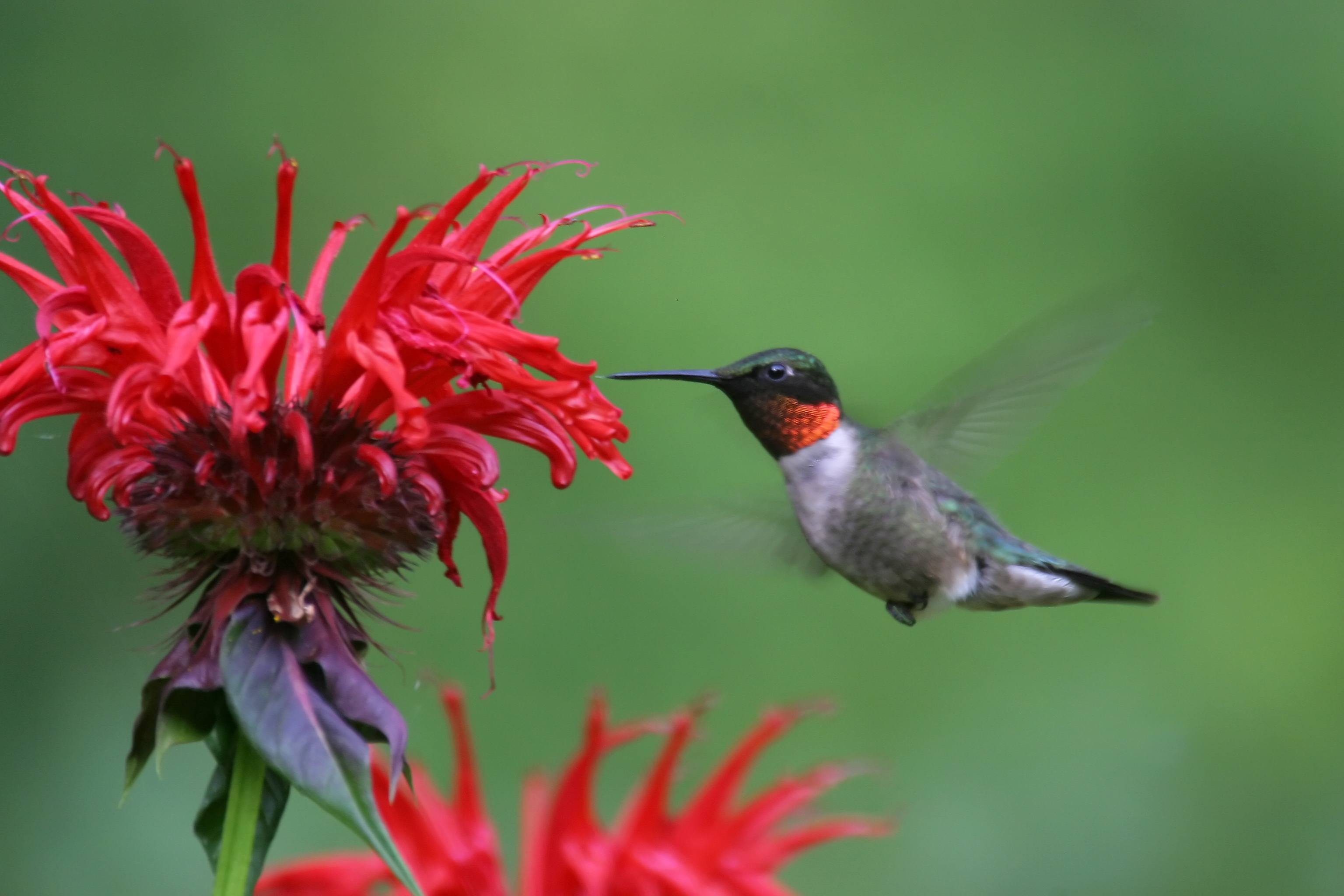
What type of symbiosis?  Hummingbirds feed on nectar from flowers.  The flowers are pollinated by hummingbirds as they move from flower to flower.
a)
commensalism
b)
mutualism
c)
parasitism
d)
predation
18.

What name BEST describes this type of graph?

a)

J curve

b)

S curve

c)

Exponential Decay

d)

Predator-Prey

19.
Invasive species are:
a)
non-native
b)
harmful to an ecosystem
c)
organisms that can lack predators in the new environment
d)
all of the answers are correct
20.

Biodiversity, aka biological diversity, usually refers to

a)

the same species in a general location

b)

the number of different species in a given area

c)

the number of animal species in a given area

d)

the number of plant species in a given area