wayground logo

Free Printable Worksheets

Font size

S
M
L
XL
Worksheets

Plant Quiz 1: Evolution of Plants

Total questions: 20

Worksheet time: 19mins
Name
Class
Date
1.
Which is a NOT a characteristic that all plants have in common?
a)
All plants have tissues and organs.
b)
All plants have cell walls and chloroplasts.
c)
All plants are vascular.
d)
All plants make their own food.
2.
What are the 2 MAIN groups of plants?
a)
seed plants and seedless plants
b)
gymnosperms and angiosperms
c)
horsetails and ferns
d)
vascular and nonvascular
3.
A(n) ____________ is an any part or characteristic that helps a species survive or reproduce.
a)
leaf
b)
adaptation
c)
flower
4.
Which plants are very short and grow close to the ground?
a)
vascular
b)
nonvascular
5.

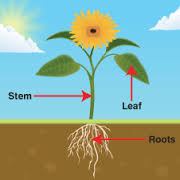
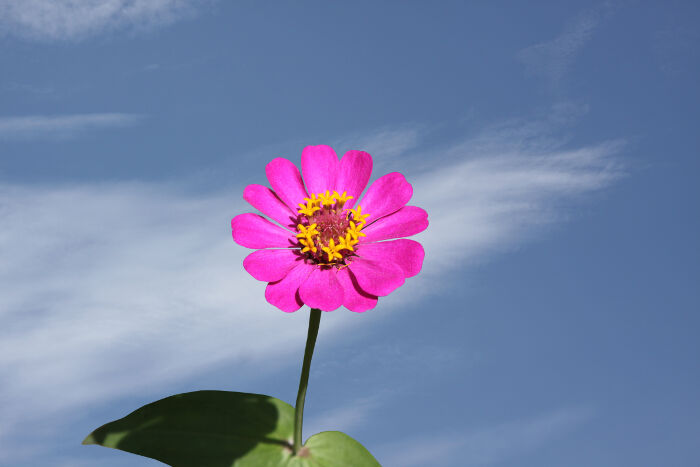
Why is the plant in the picture an angiosperm ?

a)

it can absorb light from the sun

b)

it has a flower

c)

it has more than one cell

d)

it can make it's own food

6.
a)
Gymnosperm
b)
Angiosperm
7.
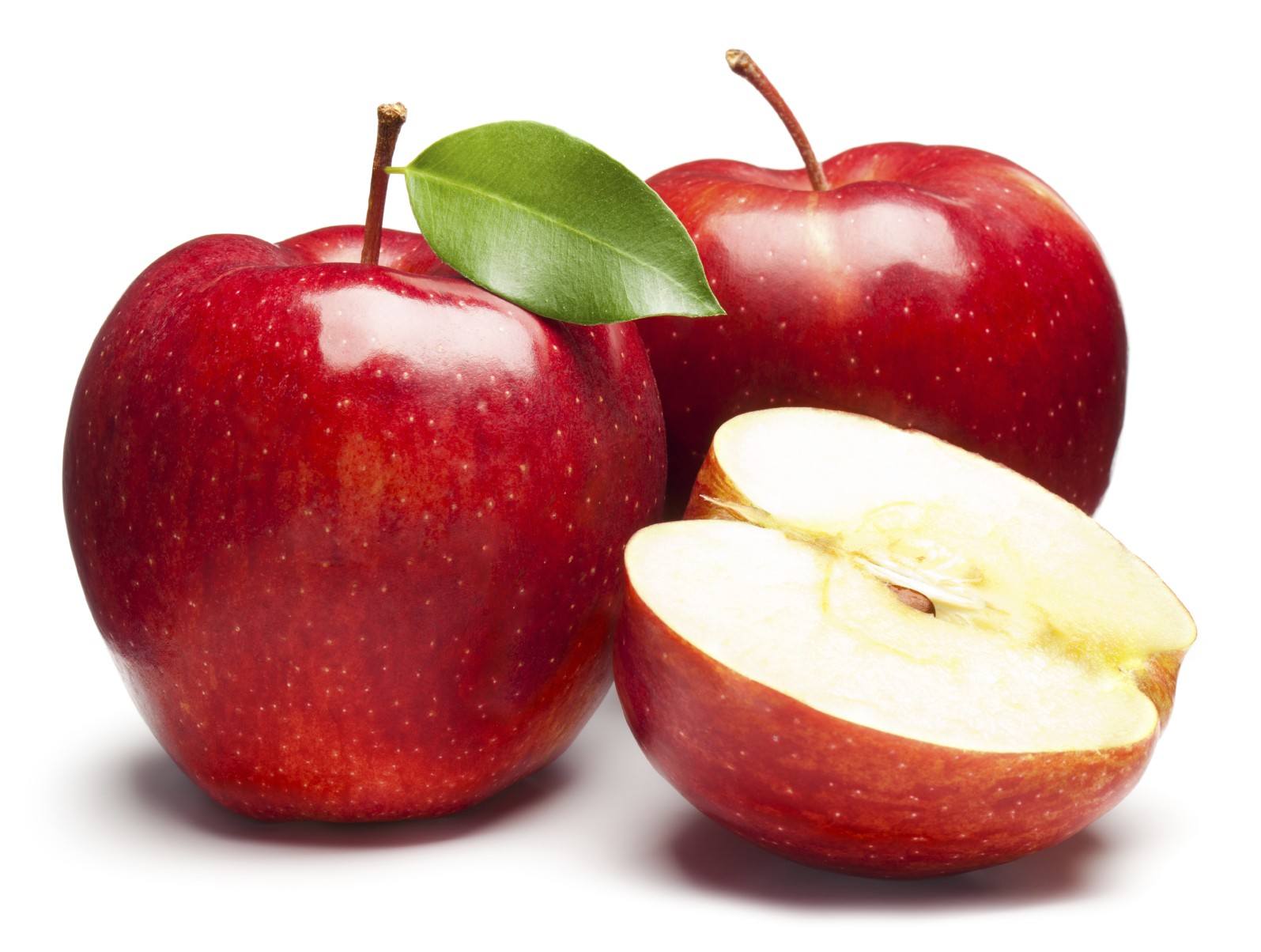
Which of these is not a plant?
a)
evergreen
b)
flower
c)
wheat 
d)
mushroom
8.

____ are plants that produces cones and naked, or not covered, seeds.

a)

Nonvascular

b)

Vascular

c)

Gymnosperms

d)

Angiosperms

9.
The two groups of seed plants are....
a)
angiosperms and gymnosperms
b)
vascular and nonvascular
c)
spores and seeds
d)
short and tall
10.
Which type of plant has seeds that are encased in a protective fruit?
a)
gymnosperms
b)
conifers
c)
angiosperms
d)
horsetails
11.
Which statement best describes a gymnosperm?
a)
a nonvascular plant with roots, stems, and leaves
b)
a low-growing non-vascular plant lacking true roots
c)
a vascular plant that uses spores to reproduce
d)
a vascular plant that uses pollen to produce seeds that are not enclosed in protective fruits
12.
Plants that have true roots, stems and leaves are called ____.
a)
nonvascular plants
b)
vascular plants
c)
seed plants
d)
spore plants
13.

Vascular plants that have fronds and reproduce from spores are

a)

ferns

b)

moss

c)

gymnosperms

d)

angiosperms

14.
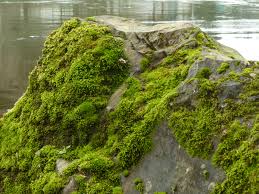
This is a ____ plant.
a)
gymnosperm
b)
angiosperm
c)
vascular
d)
nonvascular
15.
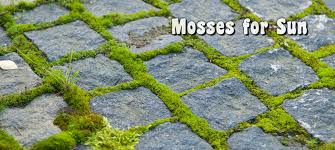
Which of the following is NOT true of mosses, liverworts, and hornworts?
a)
They are non-vascular
b)
They have roots, stems, and leaves
c)
They grow in moist places
d)
They are small and low-growing
16.

Which of the following groups of plants lacks the vascular tissues?

a)

Bryophytes ( mosses, liverworts and hornworts)

b)

Pteridophytes (ferns)

c)

Gymnosperms

d)

Angiosperms

17.

Which of the plant groups was the first to make the transition from water to land?

a)

Angiosperms

b)

Conifers

c)

Bryophytes ( moss, liverworts, hornworts)

d)

Ferns

18.

Angiosperms are divided into 2 groups:

a)

short and tall

b)

spore producing and non-spore producing

c)

vascular and nonvascular

d)

monocots and dicots

19.

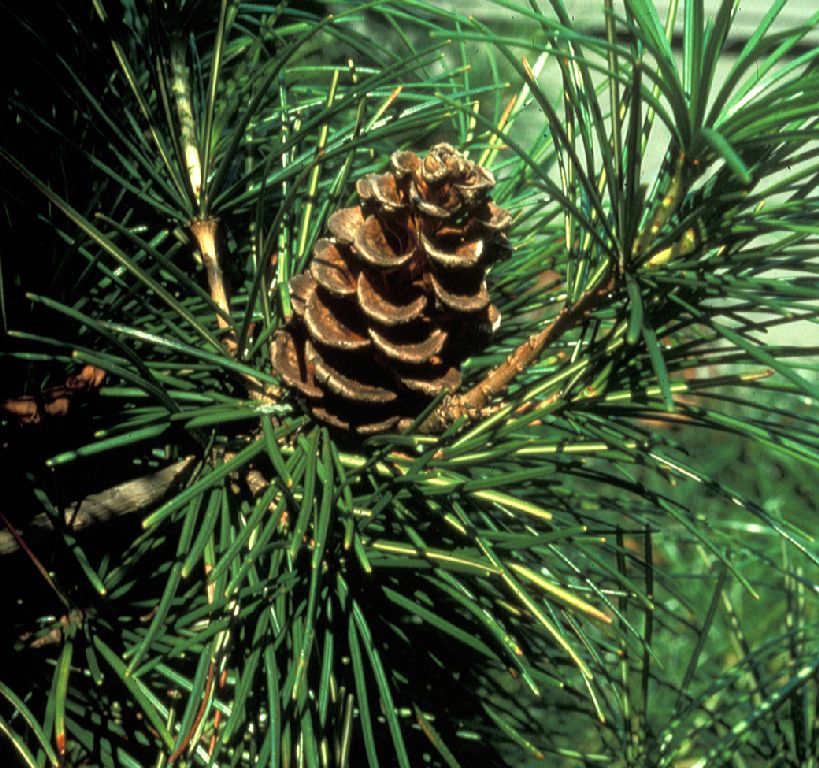
This plant would be classified as a(n)

a)

Moss

b)

Gymnosperm

c)

Angiosperm

d)

Fern

20.

This is an example of a(n)

a)

fern

b)

bryophyte ( mosses, liverworts, hornworts)

c)

angiosperm

d)

gymnosperm