
 Worksheets
Evolution Review
Total questions: 14
Worksheet time: 14mins


"Survival of the fittest."
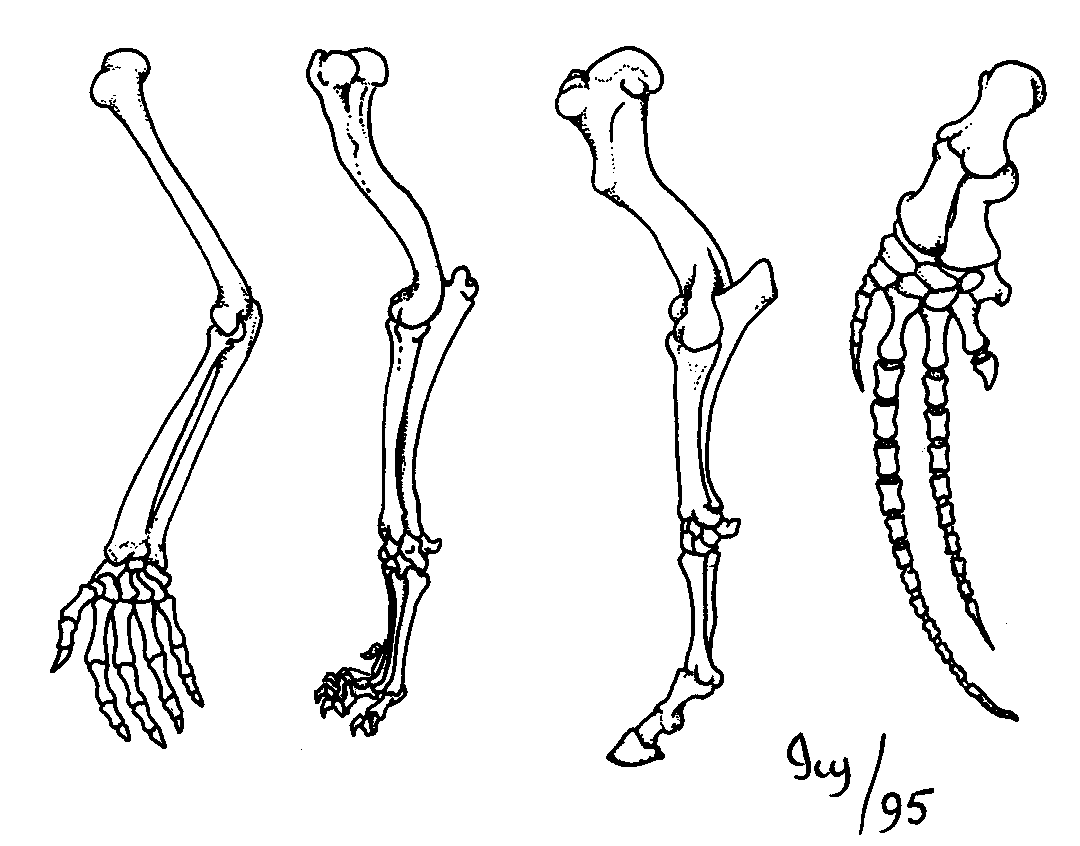
Structures with the same bone structure but different functions (jobs) suggest that organisms share a common ancestry. What are these structures called?
vestigial structures
homologous structures
adaptive radiation
fossil
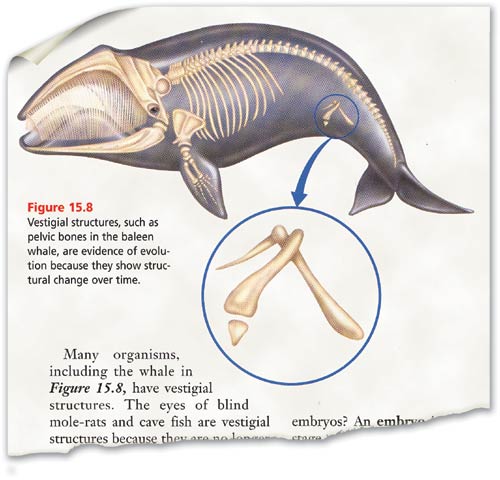

Two organisms that are closely related but not clones would have...
very similar DNA sequences
exactly the same DNA sequences
no proteins in common
completely different DNA sequences
What is the cause of the biodiversity found on the planet today?
Populations or organisms adapting to different environments
An asteroid carrying organisms to Earth from another planet
Individual organisms acquiring traits to help them survive
A series of mutations leading to a KNOWN outcome

What does the similarity of these structures tell us about these organisms?
They grow at different rates
they have a common ancestor
They evolved slowly
They do the same thing
What do we call similar structures that were passed down from a common ancestor?
vestigal structures
variable structures
homologous structures
fossil structures

Why are advantageous or beneficial traits more likely to be passed onto offspring?
Because those traits make them more likely to survive and reproduce.
Because those traits come from dominant alleles.
Because those traits come from recessive alleles.
Because those traits are acquired phenotypes.

