
 Worksheets
SB5 Interaction of Organisms Review
Total questions: 36
Worksheet time: 34mins

A tapeworm and a cat have this type of relationship.
mutualism
parasitism
commensalism
competition

A tick and a dog have this type of relationship.
mutualism
commensalism
neutralism
parasitism

In this picture, the ZEBRA is the __________________
predator
prey

The crocodile and bird have this type of relationship. The crocodile benefits by having its teeth cleaned. The bird benefits by gaining food and protection. Both animals benefit from this relationship.
parasitism
predator and prey
mutualism
commensalism
A relationship between two organisms in which one organism benefits and the other is unaffected.
camouflage
parasite
host
commensalism
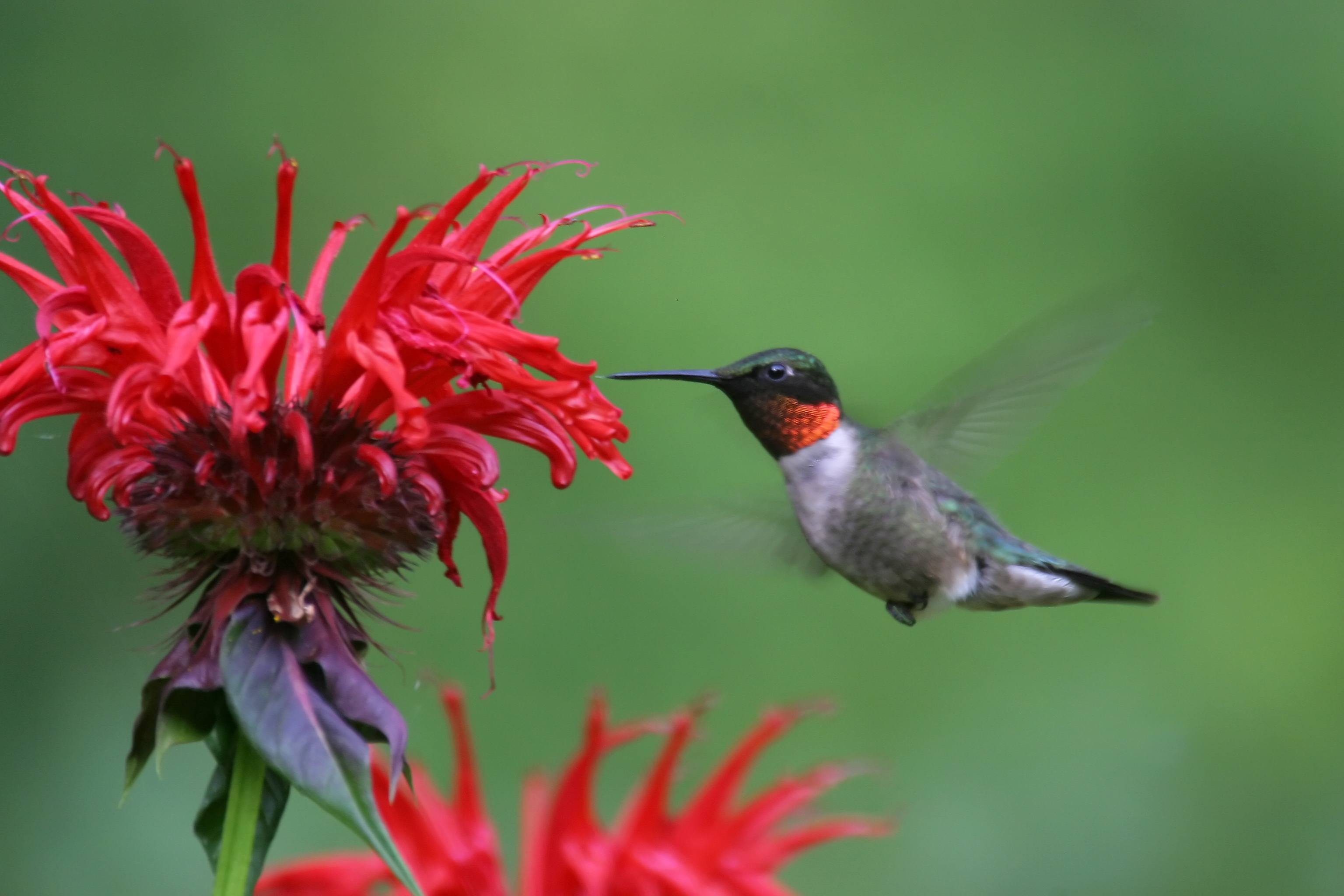
What type of symbiosis? Hummingbirds feed on nectar from flowers. The flowers are pollinated by hummingbirds as they move from flower to flower.
commensalism
mutualism
parasitism
predation
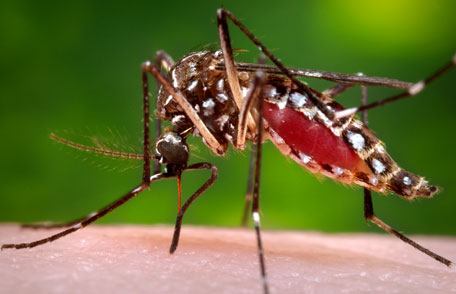
When a mosquito bites you, you are the __________ and the mosquito is the ____________.
host, hostess
parasite, host
host, parasite
prey, predator
In energy pyramid, which organisms have the most energy available?
Producers
Carnivores
Herbivores
Top Predator
What is another name for a producer?
consumer
herbivore
autotroph
lichen

In photosynthesis, ______________________ are converted into glucose (a sugar).
oxygen and water
protein and oxygen
carbon dioxide and water
lipid and protein
How do animals get carbon?
they eat plants or other animals
they breathe it in
The process that some organisms such as fungi perform to recycle matter is called____
Decomposition
Cellular Respiration
Photosynthesis
Combustion
Nitrogen-rich fertilizers and manure can cause water pollution.
True
False
How do plants get the nitrogen they need?
from the air
from the soil or water in which they live
from the Sun
from broken-down rocks

Prokaryotic organisms that break down dead plants & animals and release nitrogen back into atmosphere:
bacteria
plants
animals
producers
What is the Biochemical Cycle that circulates between the atmosphere, the soil (where it is "fixed" by bacteria), and living organisms?
the carbon cycle
the water cycle
the nitrogen cycle
What does every food chain start with? (Even if it's not drawn or written there!)
producers
sun
consumer
decomposers

What does a food web represent?
All connections of energy flow throughout all organisms in a habitat.
The specific ways that mutualism is carried out.
A single pathway or energy flow between organisms.
How carnivores get their food.
What is the term for each step in the transfer of energy and matter within a biological community?
energy path
food web
trophic level
food pyramid

What are the Abiotic factors in this image?
water, sunlight, dirt, air
birds and plants
birds, water, dirt
plants, water
Biodiversity, aka biological diversity, usually refers to
the same species in a general location
the number of different species in a given area
the number of animal species in a given area
the number of plant species in a given area


In the graph to the right, what is the population of deer at the carrying capacity of the environment?
3
7
70
40
When a population grows past the ecosystem's carrying capacity, what happens to the population?
It continues to grow higher and higher.
The population starts to die off and returns to the carrying capacity.
The population will go extinct due to lack of resources.

The graph to the right shows the interaction of the wolf and moose populations on Isle Pekie. If the moose population continues to increase, the wolves' food supply will increase. What will most likely happen to the wolf population as a result?
It will decrease.
It will increase.
It will remain the same.

The picture to the right represents a sunny, dry desert.
Which factor most likely limits the desert’s carrying
capacity for plant life?
the number of animals that eat plants
the amount of sunlight
the availability of space to grow
the availability of water
A population of salamanders that live in a river require clear, fresh water to survive. New housing developments have caused tons of sediment to muddy the river. Which
of these most likely will happen to the salamander population?
The salamanders go live on land.
The salamanders will move across land to another river.
The salamanders will quickly adapt to living in the muddy water.
The salamanders will decrease in number because of the water quality.

A sample of bacteria was added to a culture dish containing a limited food supply. (Culture dishes are designed to help bacteria grow.) The dish was kept in an incubator for two weeks, where temperature that bacteria prefer to live in was kept constant. The graph to the right shows changes that occurred in the bacterial population over the two weeks.
Which statement provides the best explanation for the population increase then decrease?
The bacteria were unable to reproduce until day 8.
The bacteria ate all of the available food.
The bacteria could not grow at all in the provided temperatures.
The bacteria could not grow at all with the provided food type.
What is an invasive species?
an organism that IS native to an area and causes harm to the environment/humans
an organism that is NOT native to an area and causes harm to the environment/humans
an organism that is NOT native to an area and helps the environment/humans
an organism that IS native to an area and helps the environment/humans
The primary cause of invasive species introduction is
too much food
human actions
weather events
asteroids

What is a keystone species?
A species that helps to hold an ecosystem together
A species that lives in or around rocks
Keys and stones have nothing to do with ecology
A keystone isn't a living thing, it's just a stone



