
 Worksheets
SCIENCE FORM 1 CHAPTER 1
Total questions: 10
Worksheet time: 5mins
Which of the following is a natural phenomenon?
Dam construction
Volcanic eruptions
Use of mobile phones
Discovery of new medicines
Which of the following represents the prefix value of kilo?
10
100
1000
1000 000
Which statement is true about mass?
the total volume of an object
the total surface area of an object
the gravitational force acting on an object
the amount of matter contained in an object
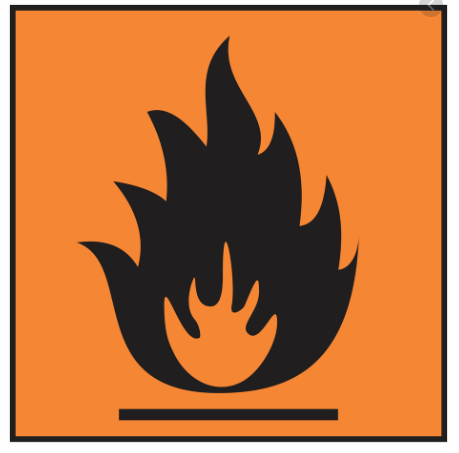
diagram above shows a hazard symbol. what is the meaning of this symbol?
flammable
irritant
explosive
poisonous
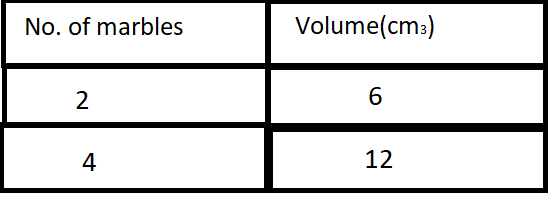
Table above shows the volumes of a few marbles measured using the water displacement method. What is the volume of 5 marbles?
3 cm3
9 cm3
15cm3
21cm3
The following information shows the steps involved in a scientific investigation
J : making an observation
K : Making a conclusion
L : analysing data
M : collecting data
Which of the following is the correct step in the scientific investigation?
J, M, K, L
J, M, L, K
M, J, K, L
M, J, L, K
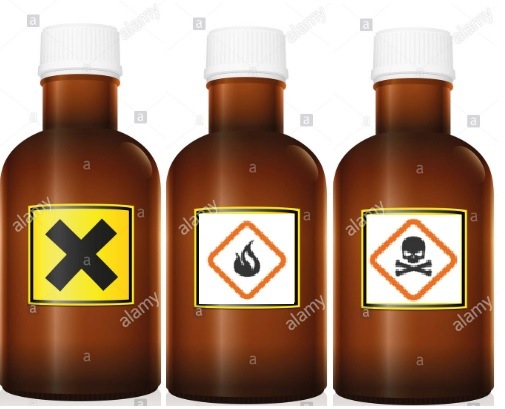
Diagram above shows three types of bottles with different labels. What are the chemicals that might contain inside bottle P, Q and R?
P: chloroform, Q: ethanol, R: mercury
P: Radium, Q: mercury, R: Pottasium
P: Benzene, Q: potassium, R: radium
P: lead, Q: petrol, R: chloroform
which of the following converting unit of base quantity is correct?
1.9 kg -> 19 000 g
89 g -> 0.089 kg
170 mm -> 0.017 m
450 cm -> 45 m
which of the following apparatus can be used to measure the volume of liquids?
measuring cylinder , test tube
beaker, stopwatch
test tube, pipette
measuring cylinder, beaker
choose the correct match
length -> kilometre -> km
mass -> gram -> g
temperature -> degree celcius -> oC
electric current -> ampere -> A

