wayground logo

Free Printable Worksheets

Font size

S
M
L
XL
Worksheets

Year 7 Term Two Quiz

Total questions: 40

Worksheet time: 13mins

Name
Class
Date
1.

exchange of gases

a)

bronchial tubes

b)

alveoli

c)

larynx

d)

pharynx

2.

what body system exchanges O2 for CO2

a)

respiration

b)

excretion

c)

digestion

d)

nervous

3.

Where in the body does respiration take place? Select the best answer.

a)

The lungs

b)

The muscles

c)

All cells

d)

The blood

4.

Select the correct option(s) to describe gaseous exchange in the alveoli.

a)

Oxygen diffuses into the blood.

b)

Carbon dioxide diffuses out of the blood.

c)

Oxygen diffuses out of the blood.

d)

Carbon dioxide diffuses into the blood.

5.
Large blood vessels that carry blood away from the heart are called:
a)
arteries
b)
capillaries
c)
veins
d)
venae cavae
6.
Pulmonary circulation involves blood flow to and from the heart and the _______.
a)
body
b)
digestive organs
c)
brain
d)
lungs
7.

what is the purpose of circulation

a)

supply O2 and nutrients and remove waste

b)

break down the food

c)

get oxygen into the lungs

d)

remove solid waste

8.

what is the function of the veins

a)

take blood toward heart

b)

take blood away from heart

c)

remove waste

d)

take blood to stomach

9.

what happens in systemic circulation

a)

circulation for the entire body

b)

circulation in the heart only

c)

circulation heart and lungs

d)

circulation to digestion system only

10.

what is the function of the capillaries

a)

take blood toward heart

b)

take blood away from heart

c)

exchange gases

d)

exchange fluids

11.
What is the chemical symbol for Calcium?
a)
C
b)
Ca
c)
Cal
12.
What is the chemical symbol for Carbon?
a)
C
b)
Ca
c)
Car
13.
What does the chemical symbol K stand for?
a)
Krypton
b)
Kryptonite
c)
Potassium
14.
The atomic number tells you what?
a)
number of electrons
b)
number of protons
c)
number of neutrons
d)
both electrons and protons in an atom.
15.
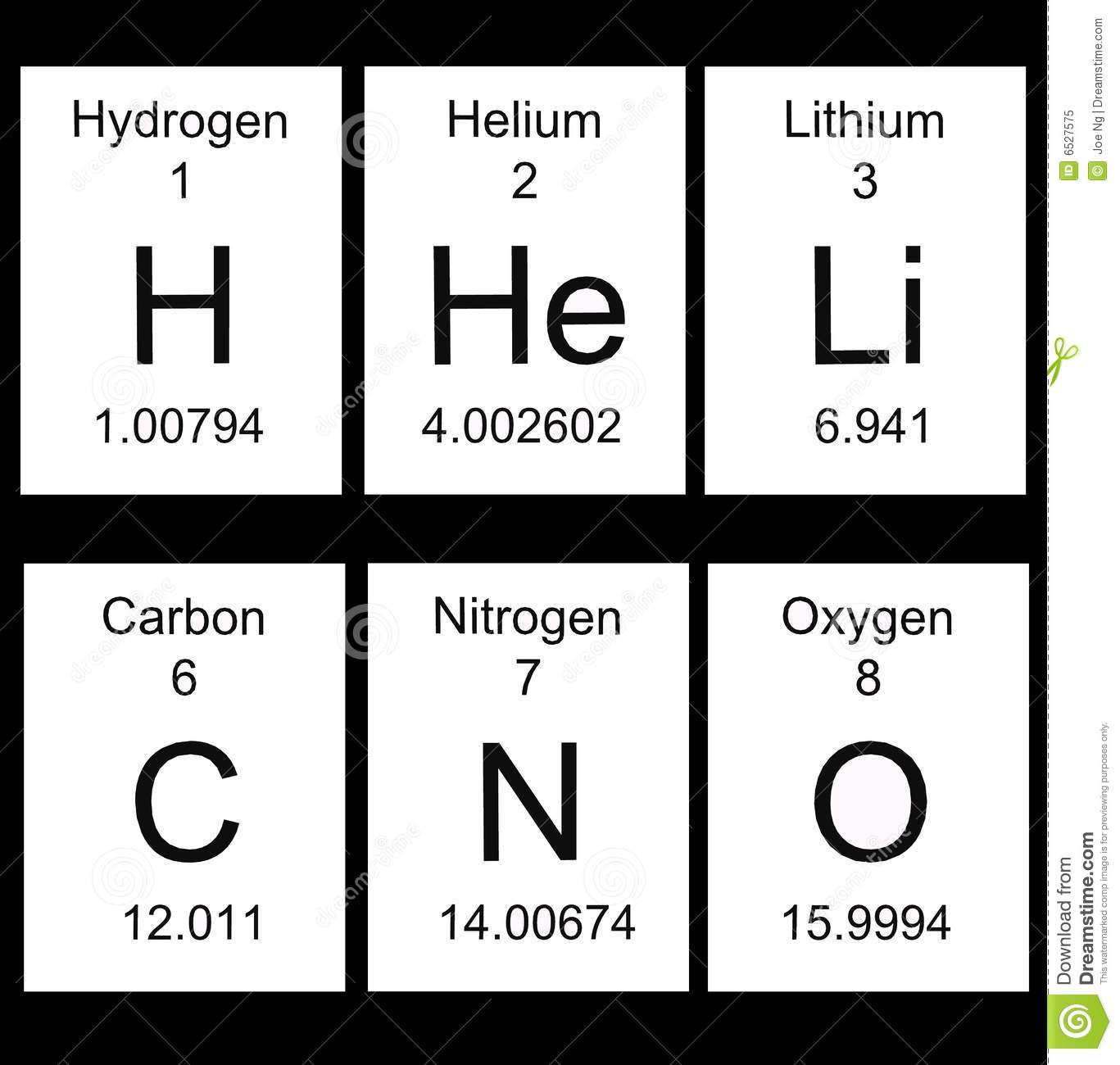
What does the 1.00794 stand for?
a)
Hydrogen
b)
atomic number
c)
atomic mass
d)
atomic explosion
16.
In the modern periodic table elements are arranged by:
a)
atomic mass
b)
atomic number
c)
valence electrons
d)
number of isotopes
17.
How many protons are in Beryllium?
a)
4
b)
9
c)
5
d)
2
18.
What is the chemical symbol for Lithium?
a)
H
b)
He
c)
Li
d)
N
19.
all matter is made of what 
a)
energy 
b)
atoms 
c)
electrons 
d)
compounds 
20.
The positive particles of an atom are 
a)
electrons 
b)
positrons 
c)
neutrons 
d)
protons 
21.
the central region of an atom where its neutrons and protons are is its 
a)
nucleus 
b)
electron cloud
c)
core 
d)
center 
22.
What is the mass of an atom if it has 11 protons, 12 neutrons, and 11 electrons?
a)
22
b)
11
c)
34
d)
23
23.
What is the name of a single type of atom?
a)
cell
b)
proton
c)
element
d)
atom
24.
What is the term for combining 2 or more atoms together?
a)
atoms
b)
elements
c)
molecules
d)
compounds
25.
TRUE OR FALSE:
Every compound is a molecule but not every molecule is a compound.
a)
TRUE
b)
FALSE
26.
What is the picture displayed?
a)
atom
b)
element
c)
molecule
d)
compound
27.

Earth's atmosphere is mostly made up of which 2 gases? CHOOSE 2!!!!!!

a)

nitrogen

b)

oxygen

c)

ozone

d)

water vapor

28.
Measure mainly of the nuclear particles: protons + neutrons
a)
Subatomic Particles
b)
Atomic Number
c)
Atomic Mass
d)
Gluons
29.
The subatomic particles in green are...
a)
Protons
b)
Neutrons
c)
Electrons
30.
How many electron shells/levels does this atom have?
a)
1
b)
2
c)
3
d)
4
31.
Which of these is NOT a force?
a)
Friction
b)
Air resistance
c)
Water resistance
d)
Electrical resistance
32.
What is the name of the units that we measure force in?
a)
Einsteins 
b)
Newtons
c)
Kg
d)
Metres
33.

A contact force is from

a)

objects physically touching

b)

far apart objects

c)

not touching object

d)

always a pull

34.

A non-contact force is between

a)

two objects that aren't touching

b)

two objects that are touching

c)

the ground and wheels

d)

you and me

35.

The three examples pictured are of

a)

Non-contact Forces

b)

Contact Forces

36.

Magnetic Force is an example of ____________ force.

a)

contact

b)

non-contact

c)

balanced

d)

unbalanced

37.
What is the equation used to calculate pressure?
a)
pressure= force/mass
b)
pressure =mass/volume
c)
pressure=area/force
d)
pressure=force/area
38.
Which of the statements is true?
a)
The bottom of the boot exerts more pressure than the shoe as a result of an increase in surface area.
b)
The bottom of the shoe exerts more pressure than the boot as a result of an decrease in surface area.
c)
The bottom of the shoe exerts the same pressure as the bottom of the boot.
39.
Convert 10 kg to Newtons
a)
0.098 N
b)
4.5 N
c)
100 N
d)
98 N
40.
Pressure is measured in what units
a)
Newtons
b)
m/s
c)
Pascals
d)
Moles