
 Worksheets
Conductor of heat
Total questions: 20
Worksheet time: 3hrs 40mins
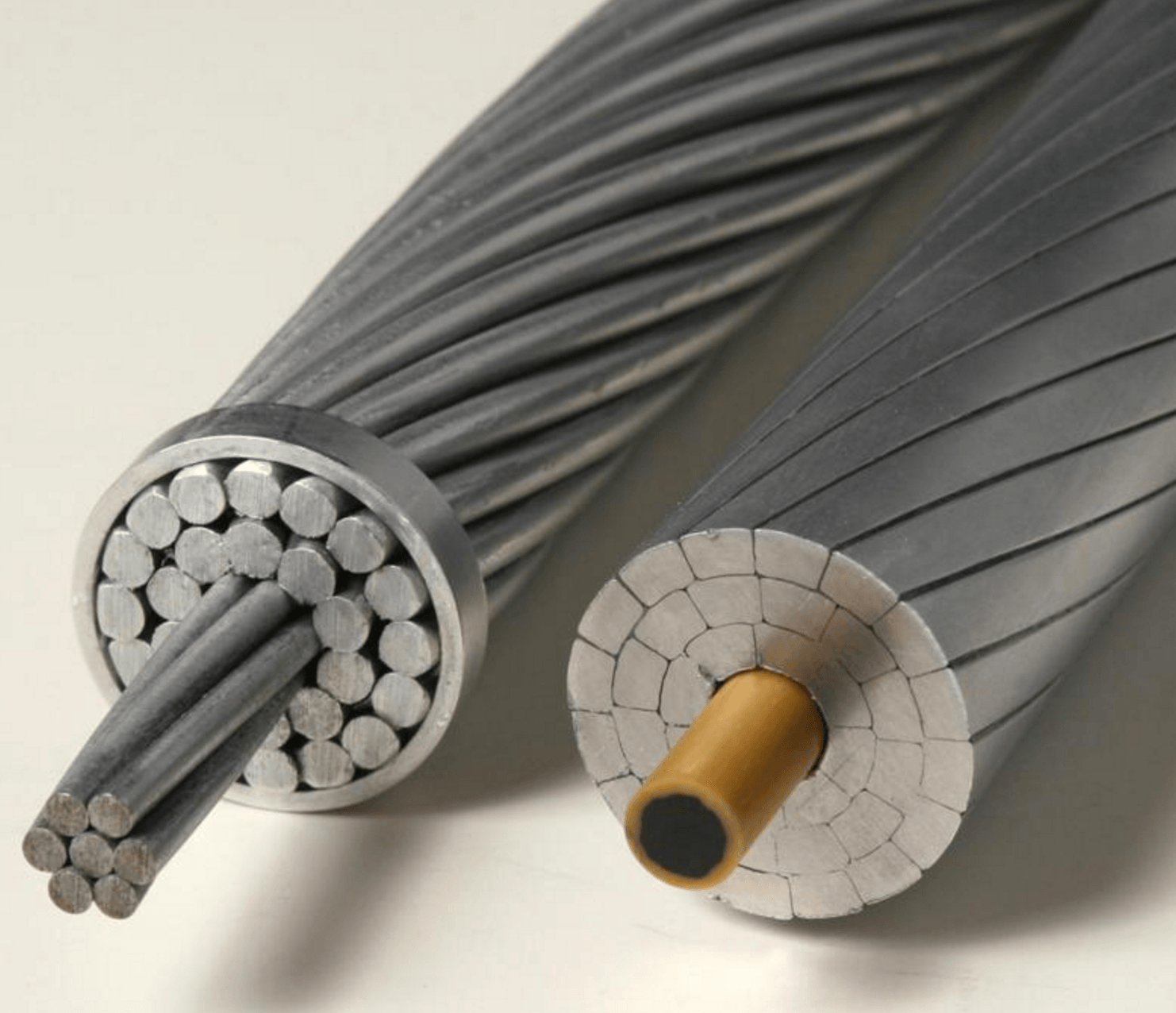
Which object is a conductor of heat?
An aluminum nail
A rubber band
A tree
A balloon

Dean is making a trivet. A trivet is placed on a table beneath a hot pot.
He knows that he must choose something that will NOT allow heat to pass easily from the hot pot to the table. Which material should Dean use to make the trivet?
Wood
Aluminum
Copper
Silicon

Desiree places four different materials at the same temperature onto a hot plate to find out which material conducts heat the best. The information presented in the illustration shows the temperature of each material after 15 minutes.
Desiree can conclude that which of the following materials conduct heat the best?
Material 1
Material 2
Material 3
Material 4

A pot of water with an egg sits on a hot stove. Which of the following correctly describes a flow of heat energy in the diagram?
Heat energy flows from the egg to the stove.
Heat energy flows from the egg to the water.
Heat energy flows from the water to the pot.
Heat energy flows from the water to the egg.

Caden place a 5 gram ice cube in four different cups made of four different materials. After 2 minutes he pours off the water that has melted from the ice cube, and measures the mass of the remaining ice. Based on this data, which of the following ranks the materials from the one that conducts the most heat to the least?
3, 1, 2, 4
4, 3, 1, 2
1, 4, 2, 3
3, 4, 2, 1

Four different materials at the same temperature were placed onto a hot stove. The information presented in the illustration shows the temperature of each material after ten minutes.
The results support the conclusion that which of the following materials conducts heat best?
Brick
Concrete
Glass
Aluminum
Conductors allow heat to pass through easily. Insulators prevent the flow of heat. Which of the following items is a poor conductor and a good insulator?
Silver
Wood
Stone
Copper
While on a camping trip, Mackenzie and her family sat around the campfire. Even after the fire had been put out, Mackenzie could feel that the air above the rocks surrounding the campfire was warm. Which best explains how the heat was transferred?
From the air to the fire to the rocks
From the rocks to the fire to the air
From the rocks to the air to the fire
From the fire to the rocks to the air

Four metal blocks were arranged as shown in the illustration.
Heat will move in which of the following ways?
Sample 3 to Sample 4
Sample 4 to Sample 1
Sample 2 to Sample 3
Sample 2 to Sample 1
Heat energy always moves in which direction?
Large objects to small objects
Dark objects to light objects
Warm objects to cool objects
Smooth objects to rough objects

