
 Worksheets
Invertebrates Review
Total questions: 25
Worksheet time: 8mins
In a parasite-host relationship, this organism is the one that is living off of the other organism
Parasite
Host
Organism
In a parasite-host relationship, this organism is the one that makes it possible for the other organism to live by giving the other organism a home and nutrients
Parasite
Host
Organism
This type of worm has long-flattened bodies with bilateral symmetry and lives off of other organisms
Flatworm
Roundworm
Segmented Worm
This type of worms body structure is described as a "tube within a tube", and it's digestive tract has two openings.
Flatworm
Roundworm
Segmented worm
This type of worm, also known as "annelids", is split up into segments that each have their own nerve cells and blood vessels. This type of worm's body has a closed circulatory system.
Flatworm
Round Worm
Segmented Worm
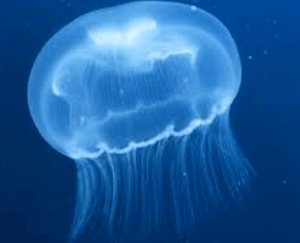
Animals that use water to bring in food from the surrounding environment are ________
sessile
medusas
filter feeders
choanocytes
Select an animal that has bilateral symmetry?


Name the THREE groups of Mollusks.
Gastropods
Arthropods
Cephalpods
Bivalves
Crab
What is a radula?
A Tounge like sturcture used to scrape plant matter into easy to eat pieces.
A part used to make protection.
the fancy way to say "Tentacle"
Movment

To which group of mollusks this octopus belong?
Cephalopods
Gastropods
Bivalves
Which of the following is the largest group of animals?
sponges
humans
arthropods
mollusks
Where is an exoskeleton located?
in the head
inside the body
inside the bones
outside the body
The head and thorax of a spider are called the
mandible
antenna
chelicerae
cephalothorax
An animal with six legs and two antennae is called a(n)
insect
cephalothorax
gills
antenna
Crustaceans use ______________________to breathe.
insect
cephalothorax
gills
antenna
How many stages does incomplete metamorphosis have?
one
three
13
seven
Which of these arthropods has a cephalothorax, an abdomen, and claw-like mouthparts
centipedes and millipedes
crustaceans
arachnids
insects
A network of water filled canals with thousands of tubes connected to it. Used to bring nutrients throughout the body.
tube feet
sea star
water vascular system
endoskeleton
Hard framework inside the body used for support
exoskeleton
endoskeleton
shell
water vascular system
Hollow thin walled tubes that each end in a suction cup (used to move around)
tube feet
tentacles
sand dollar
sea star

