Wayground logo

Free Printable Worksheets

Font size

S
M
L
XL
Worksheets

Symbiotic Relationships

Total questions: 20

Worksheet time: 2hrs 36mins

Name
Class
Date
1.

Cattle egrets forage (feed) in fields among cattle. The egret gets easy access to flying insects stirred up by the cattle, and the cattle don't care if they are there or not.

a)

mutualism

b)

commensalism

c)

competition

d)

predation

2.
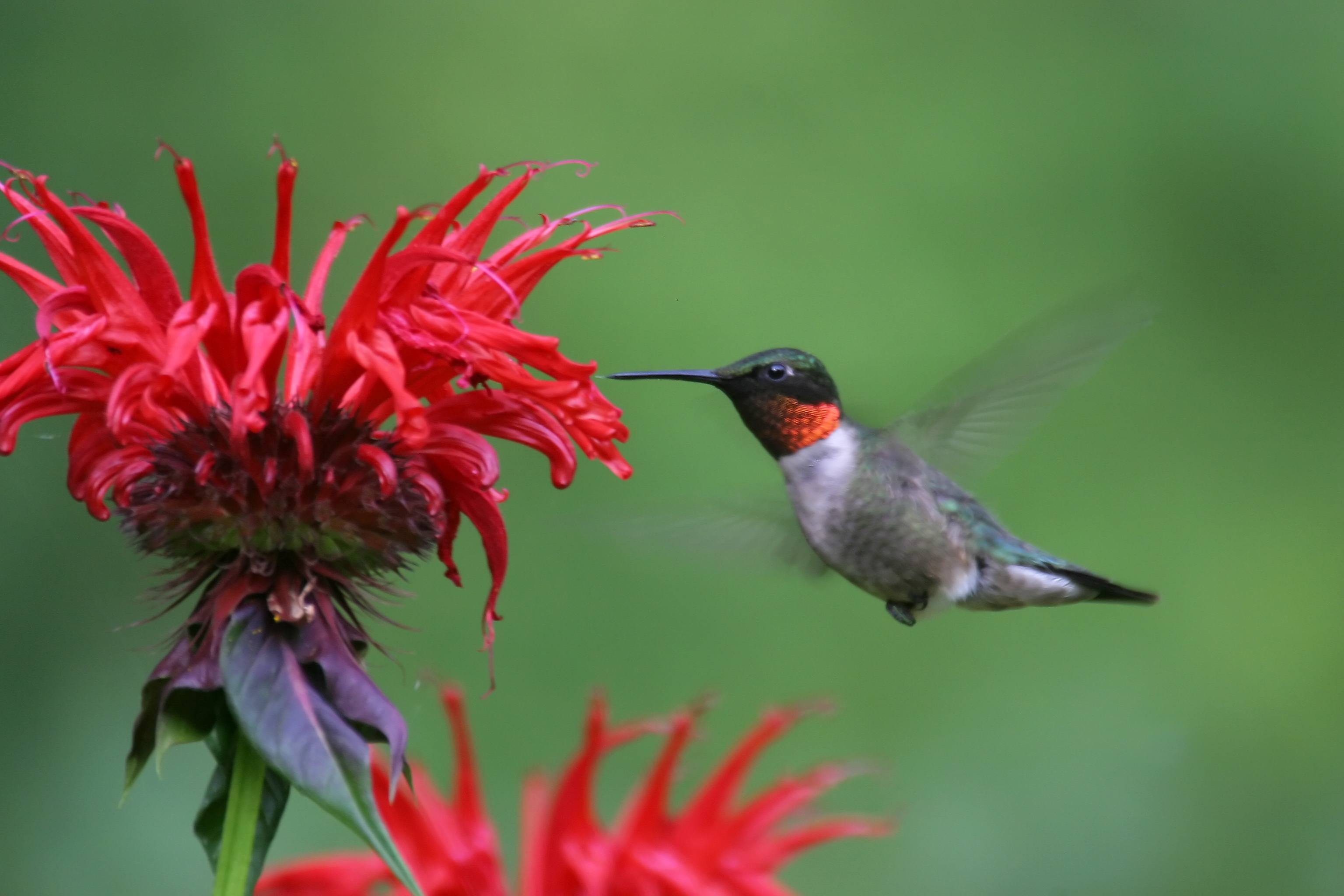
What type of symbiosis?  Hummingbirds feed on nectar from flowers.  The flowers are pollinated by hummingbirds as they move from flower to flower.
a)
commensalism
b)
mutualism
c)
parasitism
d)
predation
3.
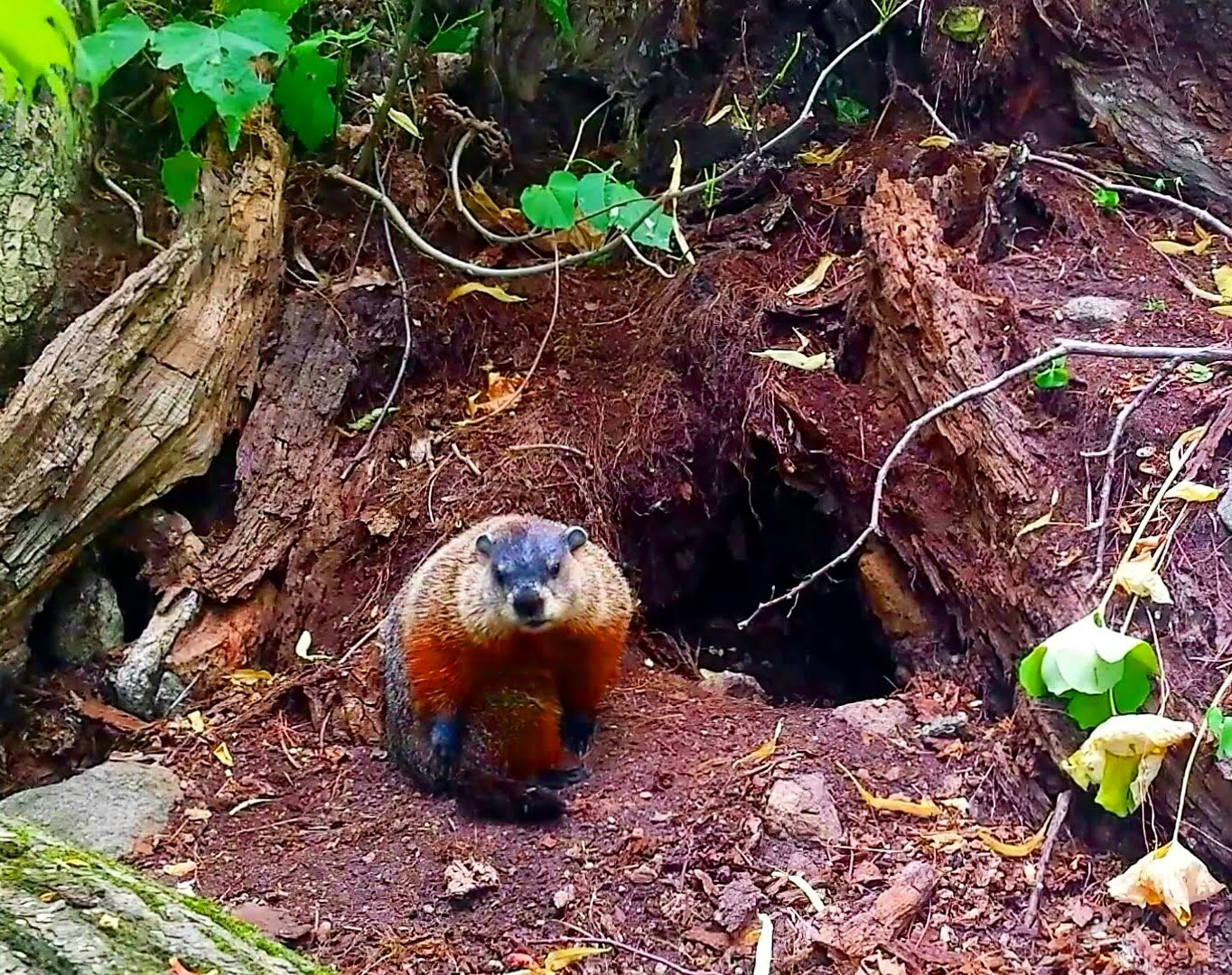
What type of symbiosis?  Skunks often live in burrows that have been dug and abandoned by woodchucks.  
a)
commensalism
b)
mutualism
c)
parasitism
d)
predation
4.

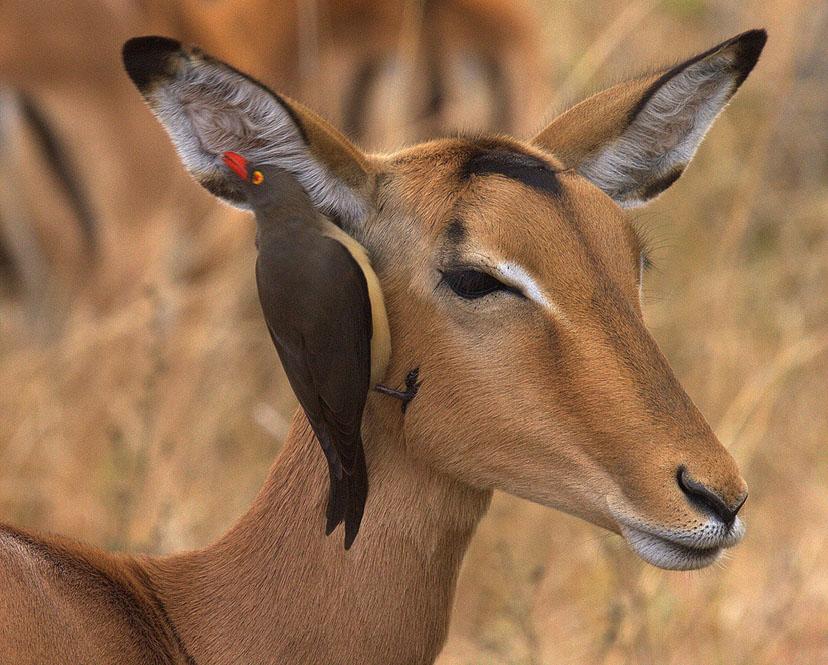
Red-billed oxpeckers are birds that often feed on parasites that infest impala. This is an example of _______.

a)

commensalism

b)

mutualism

c)

parasitism

d)

predation

5.

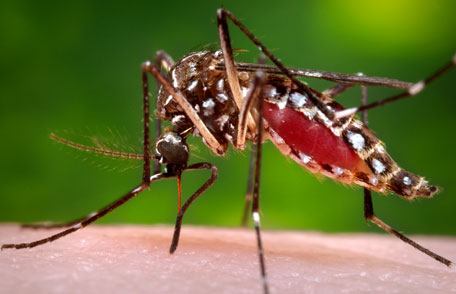
When a mosquito bites you, you are the __________ and the mosquito is the ____________.

a)

host, endoparasite

b)

endoparasite, host

c)

host, ectoparasite

d)

ectoparasite, host

6.

Aphids are tiny insects that live on and eat the leaves of plants, removing vital nutrients from the plants.

a)

Mutualism

b)

Ectoparasitism

c)

Commensalism

d)

Endoparasitism

7.
What type of symbiosis is this?
*
Hermit crabs find shells left by snails that have died and move in.
*
  Snails die and leave behind their shells.
a)
commensalism
b)
mutualism
c)
parasitism
d)
predation
8.

A tick and a dog have this type of relationship.

a)

mutualism

b)

commensalism

c)

predation

d)

parasitism

9.
Barnacles create home sites by attaching themselves to whales. This relationship neither harms nor benefits the whales. 
a)
parasitism
b)
commensalism
c)
mutualism
10.
Mistletoe extracts water and nutrients from a spruce tree. The spruce tree is harmed. 
a)
parasitism
b)
commensalism
c)
mutualism
11.
Ostriches and gazelles feed next to each other. They both watch for predators and alert each other to danger. Because their visual abilities are different, they can identify threats that the other animal would not see as readily. 
a)
parasitism
b)
commensalism
c)
mutualism
12.
Honey guide birds alert and direct badgers to bee hives. The badgers then expose the hives and feed on the honey first. Next the honey guide birds eat. Both species benefit. 
a)
parasitism
b)
commensalism
c)
mutualism
13.
Oxpeckers feed on the ticks found on a rhinoceros. The oxpeckers get a meal and the rhinoceros is helped by the removal of the ticks.
a)
parasitism
b)
commensalism
c)
mutualism
14.
As bison walk through grass, insects become active and are seen and eaten by cowbirds. The relationship neither harms nor benefits the bison.
a)
parasitism
b)
commensalism
c)
mutualism
15.
In a parasitic relationship, one organism is ___________ and one organism is benefiting. 
a)
helped
b)
harmed
c)
not effected
d)
happy
16.

A tapeworm and a cat have this type of relationship.

a)

mutualism

b)

endoparasitism

c)

commensalism

d)

ectoparasitism

17.
A wrasse fish feeds on the parasites found on the black sea bass's body. Both species benefit. 
a)
Mutualism 
b)
Parasitism 
c)
Commensalism 
18.
A mite lives in the base of the eyelashes of people who use mascara. It feeds on the mascara; it does not seem to harm people. What type of symbiotic relationship is this?
a)
mutualism
b)
commensalism
c)
parasitism
d)
predation
19.

Bacteria that live on the surface of our teeth require sugar from our food to survive. A by-product of their metabolism (body processes) decays the enamel of teeth. What type of symbiotic relationship is this?

a)

mutualism

b)

commensalism

c)

endoparasitism

d)

ectoparasitism

20.

Clown fish live among anemones, acting as a lure for the sea anemone's prey. The clown fish gets protection and shelter from the anemone.

This is an example of which type of symbiosis?

a)

Commensalism

b)

Mutualism

c)

Ectoparasitism

d)

Endoparasitism