
Font size
 Worksheets
PERIODIC TABLE PART 2
Total questions: 20
Worksheet time: 15mins
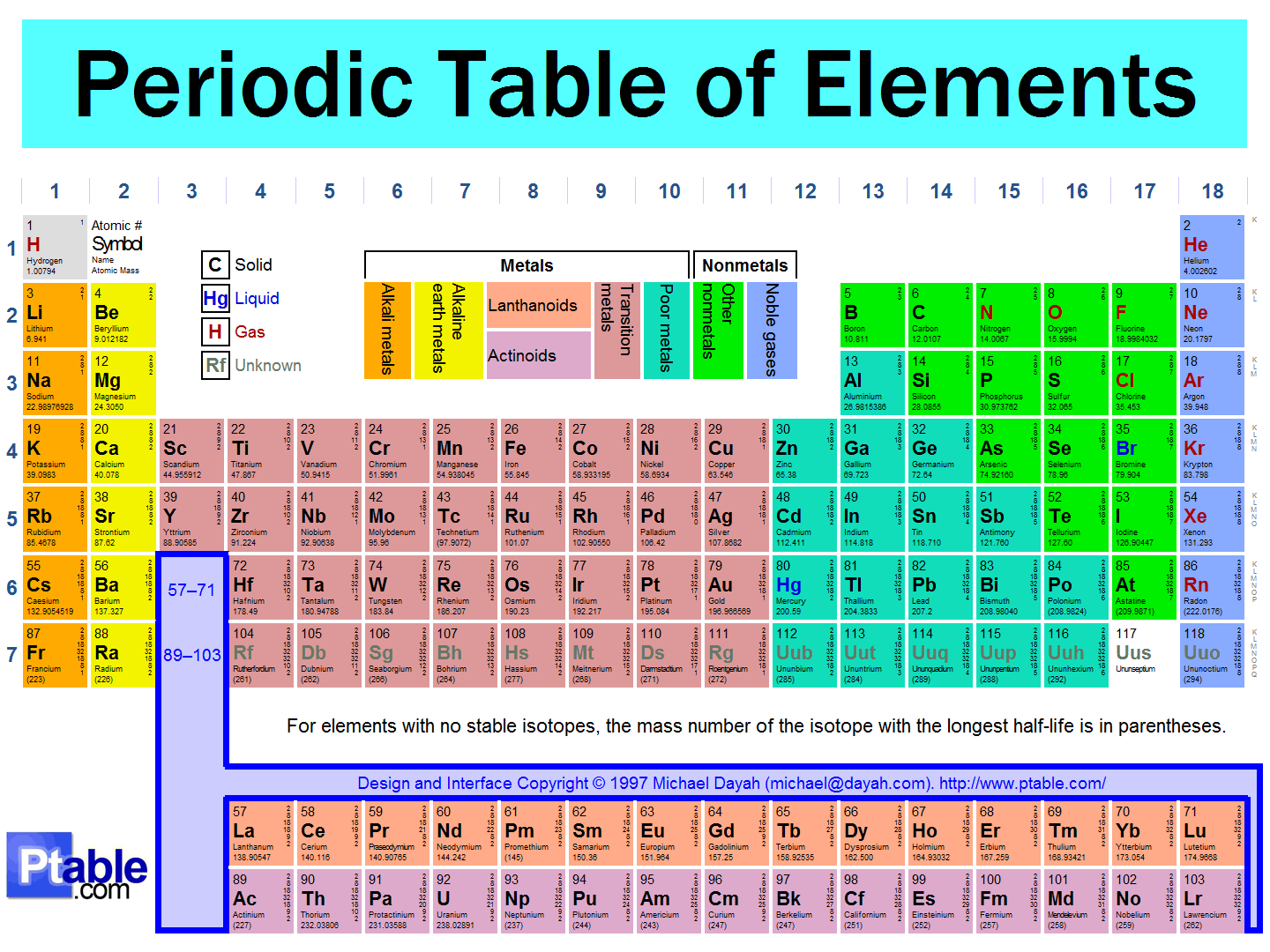
The horizontal rows on the periodic table are called
groups
families
periods
atomic numbers

Elements in the same group or family have the same number of
neutrons
valence electrons
electrons
energy levels


Oxidation number of Si in SiCl4 is
+1
+4
+3
+2
Solution is turned acidic upon the hydration of AlCl3 because
Al3+ is formed
Cl- is formed
H+ is formed
H2O is present
What happens when SiCl4 is dissolved in water ?
Blue solution formed
Gas is produced
White precipitate formed
Acidic solution
What is the pH of NaCl when added to water ?
+3
+7
+11
+13
Across the Period 3 , the elements are
Na Mg Al C S P Cl Ar
Na Mg Al Si P S Cl Ar
Li Be C N O He
Li Be Si S P Cl Ar
Going across the Period 3 of the Periodic Table from Sodium to Chlorine ,
The number of filled electronic shell increases
The atomic mass increases
Electrical conductivity increase
The electrode potential become more negative
Which oxide of an element dissolves in water to form acidic solution
Sodium
Magnesium
Silicon
Phosphorus
Across the period 3 , atomic radii of elements decrease due to
proton number increase
screening effect increase
nucleus attraction increase
the number of shell filled with electron increase
Which oxide of Period 3 elements shows both acidic and basic properties?
MgO
Al2O3
SiO2
ClO2
FeCl3
Which type of element can form ions with more than one charge?
Noble gases
Halogens
Group 1 metals
Transition metals
Metalloids
The Haber process is the name we give to the industrial production of
Ammonia
Sodium Hydroxide
Salt
Soap
Name the catalyst used in the Contact process.
Finely-divided Iron
Vanadium (V) Oxide
Nickel
Chromium

