
 Worksheets
Planets, Stars, Moons and Galaxies
Total questions: 30
Worksheet time: 22mins

The hottest planet is
Mercury
Venus
Earth
Mars
The largest object in our Solar System is
Jupiter
Pluto
The Sun
Saturn

Earth belongs to one of the following galaxies.
Milky Way
Andromeda
Whirlpool
Sombrero

The asteroid belt is found between these 2 planets:
Earth and Mars
Mercury and Venus
Mars and Jupiter
Jupiter and Saturn

Olympus Mons is the highest mountain in our Solar System. Where is it?
Neptune
Earth
Mars
Jupiter
The Milky Way is a ….
Spiral Galaxy
Irregular Galaxy
Elliptical Galaxy
A Solar System

Jupiter, Saturn, Uranus and Neptune are known as the…
Gigantic Planets
Great Planets
Gas Planets
Rocky Planets

This planet is known as ‘The Red Planet’.
Neptune
Uranus
Saturn
Mars

“One small step for man, one giant leap for mankind"…..were the words of Neil Armstrong when he became the first man to….
Land on Mars
Take a picture of a black hole
Land on the moon
Take a picture of Mercury

Which of these planets is the smallest?
Mercury
Uranus
Jupiter
Earth

Pluto is now known as a:
Gas Giant
Dwarf Planet
Tiny Planet
White Planet
A __________________________ is a huge collection of stars, gases, and dust.
galaxy
Big Bang Theory
light-year
Solar System

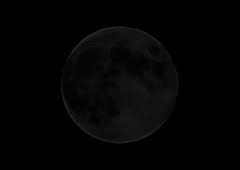
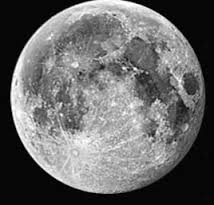
The moon is...
a planet
a natural satellite
an artificial satellite
a star

What is the moon mostly made of?
Green Cheese
Hot gases
Lava
Rock

About how long does it take the moon to make one complete cycle around the earth?
65 days
8 days
365 days
28 days

Where on Earth can you experience entire days of darkness?
The equator
The poles
The Tropic of Cancer
The Tropic of Capricorn

The right side of this illustration represents...
night
winter
summer
spring

1. Which two inner planets in our Solar System have no moons?
Earth and Mars
Mars and Venus
Mercury and Venus
Venus and Mars

A huge collection of stars, gas, and dust that travel together through space is called a _____________________.
Constellation
Galaxy
Solar System


A Black Hole is an area/spot in space where the gravitational pull is so strong that nothing is likely to get out.
True
False

Why does the hemisphere tilted away from the sun have winter?
It has fewer hours of sunlight and receives less direct sunlight.
It has more hours of sunlight and receives more direct sunlight.

The order of the planets is:
Mars,Venus,Earth,
Mercury,Saturn
Jupiter, Uranus, Neptune
Earth,Venus,Mars
Jupiter, Neptune,
Mercury,Saturn,
Uranus
Mercury,Venus,Earth
Mars,Jupiter,
Saturn,Uranus
Neptune

What does the earth's tilt cause?
The seasons
Day and Night
Tsunamis
Earthquakes

