
 Worksheets
Competition to Survive
Total questions: 20
Worksheet time: 2hrs 45mins
Animals work together in groups to help them _____.
survive
grow
reproduce
all of these

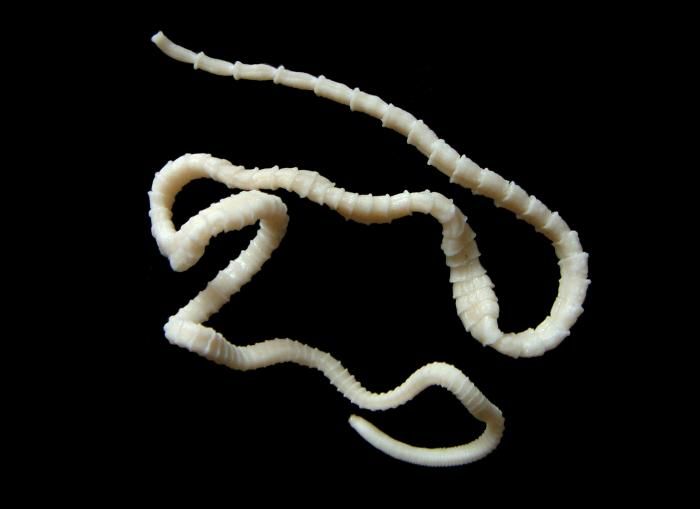

Aphids are tiny insects that live on and eat the leaves of plants, removing vital nutrients from the plants.
Predation
Parasitism
Commensalism
Mutualism
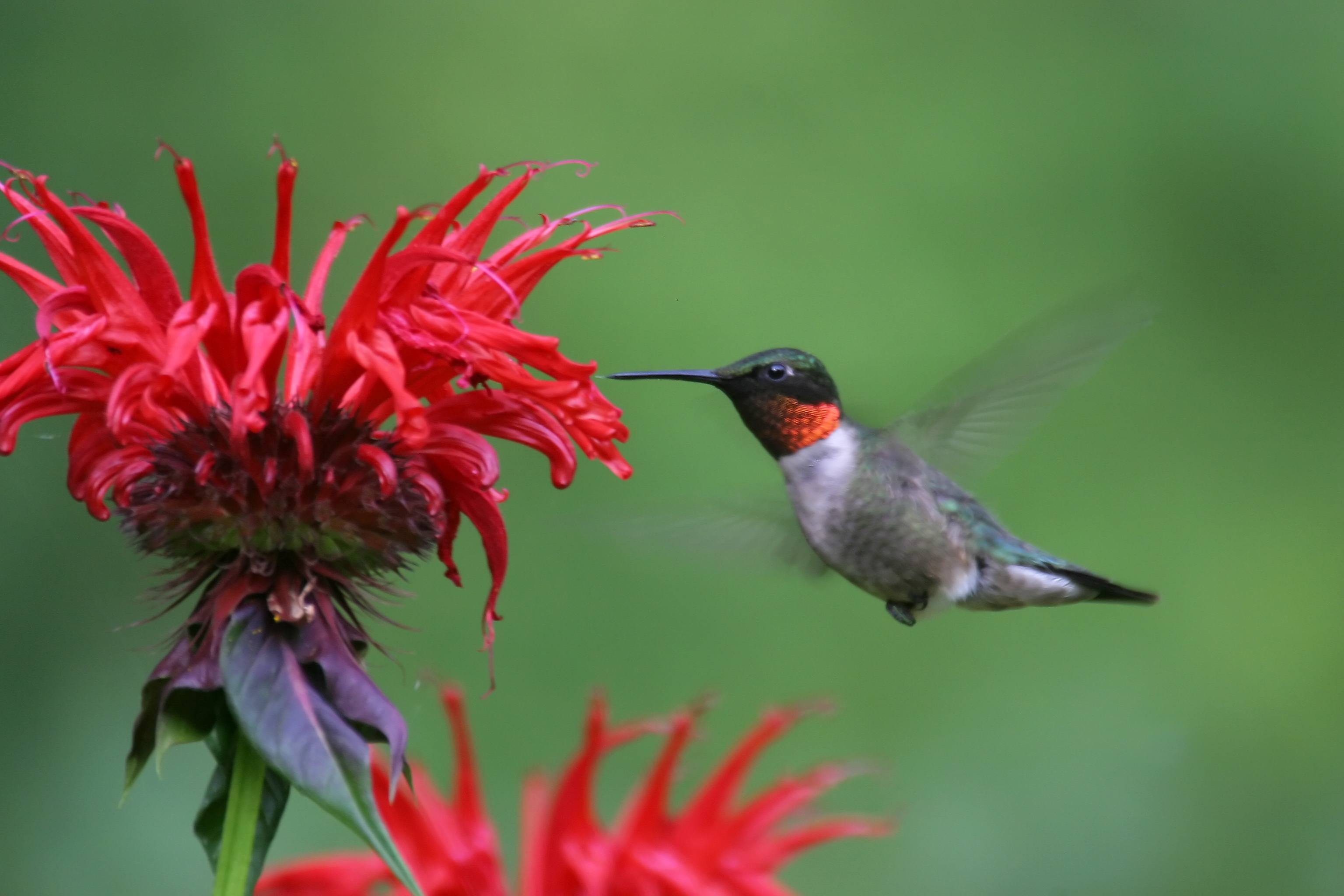
* Hummingbirds feed on nectar from flowers.
* Flowers are pollinated by hummingbirds as they move from flower to flower.

Use the moth gizmo to help you answer this question:
Which of the following statements best describes what will most likely occur to the moth populations in the image above?
The light moths will be captured by predators more easily than the dark moths, and the population of dark moths will rise.
The light moths will be captured by predators more easily than the dark moths, and the population of light moths will rise.
The dark moths will be captured by predators more easily than the light moths, and the dark moths will probably go extinct.
The light moths will change their wing color to match that of the dark moths.

Use the moth gizmo to help you answer this question:
What is the most likely explanation of the data shown above?
There has been a drought in the area that is affecting all life forms.
The population of natural predators of the moths has gotten smaller.
The moths are living in an environment with light trees.
The moths are living in an environment with dark trees.

Use the moth gizmo to help you answer this question:
The pair of population graphs above display the results of two different five-year hunting cycles, one on light trees and one on dark trees. The population of light-colored moths is shown by the light gray dots, and the population of dark moths is shown by the dark gray dots. How do these results demonstrate natural selection?
The moth populations shown here demonstrate random fluctuations over time that are not explained by tree color.
On light trees, individual moths tried to become lighter in color to match the tree background. On dark trees, individual moths tried to become darker in color.
The moths that were the same color as their background were more likely to survive and reproduce. Over time, the populations of these well-adapted moths increased
Small particles of tree bark became embedded in the moth’s wings, causing the moths to become darker on the dark trees and lighter on the light trees. These acquired traits were then passed down to the next generation of moths, causing the populations to change color over time.
Use the moth gizmo to help you answer this question:
Suppose a certain species of insect lives in the lush green canopy of the rainforest. Some of the insects are bright green in color, and some are bright yellow. Assume there is a natural predator of the insect in the area. What do you expect to happen to the populations of the green and the yellow insects over time?
The green insect population will increase and the yellow insect population will decrease.
The green insect population will decrease and the yellow insect population will increase.
Both insect populations will remain constant over time.
Both insect populations will increase over time.
Use the moth gizmo to help you answer this question:
Natural selection can operate on predator populations as well as on prey. Suppose that over time trees became covered in lichen and the proportion of light moths increased to nearly 100%. What is the most likely consequence for predator populations?
Bird populations will decrease, at least for a while.
Over time, birds with better eyesight will become more common.
Birds may change hunting strategies or seek other sources of food.
All of the above.
What is competitiveness?
It is when you are happy
It is when you want to win or do better than someone
When you get mad at your best friend
When you want something from the store
Which of the following are examples/sources of competition? (Trick Question)
Sports
Your Grades
Your Job Performance
Bidding on an ebay auction

