wayground logo

Free Printable Worksheets

Font size

S
M
L
XL
Worksheets

Human impact - Ecology basics

Total questions: 35

Worksheet time: 25mins

Name
Class
Date
1.

1. What would Earth be like without the greenhouse effect?

a)

The same temperature

b)

a little cooler than it is now

c)

. Too cold to live

d)

a little warmer than it is now

2.

1. Which biome has the highest biodiversity and is the most threatened?

a)

Temperate forests

b)

grasslands

c)

tropical rain forests

d)

deserts

3.

1. Why is firewood considered to be a renewable resource?

a)

It can be replenished over time.

b)

It is used up faster than it can form.

c)

It is made from coal.

d)

It can be made synthetically.

4.

1. Which level of the food chain is most affected by biomagnifications?

a)

Producers

b)

primary consumers

c)

secondary consumers

d)

tertiary consumers

5.

1. Why has Earth's human carrying capacity increased greatly?

a)

Other organisms have been displaced by agriculture, so there is more space for humans.

b)

Humans have modified their environment due to technological advances.

c)

Humans can live closer together than other animals

d)

Humans are now eating fewer plants than they used to.

6.

The primary cause of invasive species introduction is

a)

too much food

b)

human actions

c)

weather events

d)

asteroids

7.

The threat to biodiversity that occurs when the homes of different species are destroyed

a)

pollution

b)

habitat destruction

c)

overexploitation

d)

climate change

8.

When human-made chemicals and garbage find their way into nature and harm the air, soil, and water it is called

a)

pollution

b)

habitat destruction

c)

overexploitation

d)

climate change

9.
Identify the process shown in this diagram.
a)
Extinction
b)
Toxin Accumulation
c)
Pollution
d)
Biomagnification
10.
oxygen is a gas produced by _ and used by  _ 
a)
plants and animals 
b)
photosynthesis and carbon dioxide 
c)
animals and plants 
d)
carbon dioxide and photosynthesis
11.
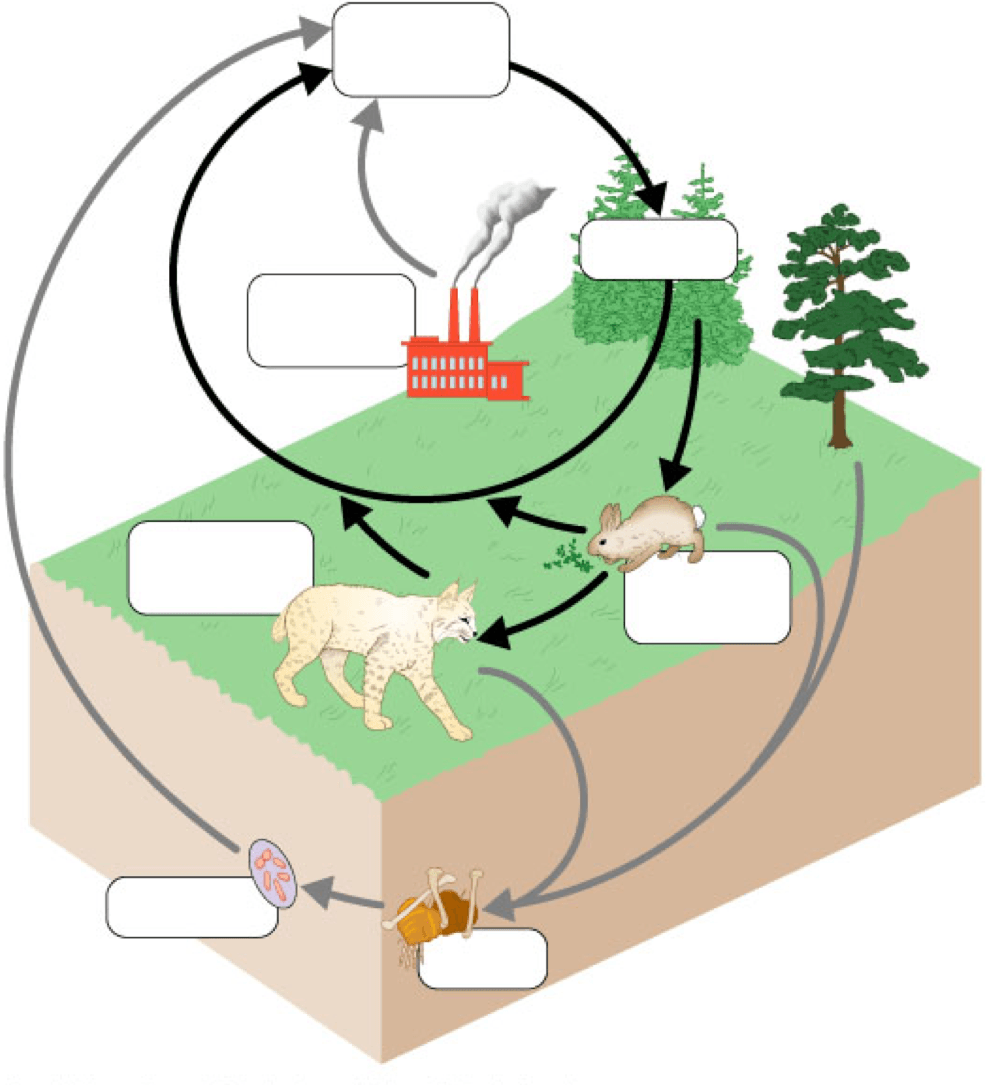
Which of the following removes carbon from the atmosphere?
a)
Combustion
b)
Respiration
c)
Photosynthesis
d)
Death
12.
Which of the following is an example of a decomposer?
a)
Owl
b)
Fish
c)
Tree
d)
Mushroom
13.
What does NOT produce carbon dioxide?
a)
Photosynthesis
b)
Burning Fossil Fuels
c)
Animal respiration
d)
Plants decaying
14.
TRUE or FALSE?
All of the carbon in existence is continually recycled in the carbon cycle.
a)
True
b)
False
15.
When humans burn fossil fuels, most of the carbon quickly enters the                       as carbon dioxide.
a)
Water
b)
Atmosphere
c)
Sun
d)
Air
16.

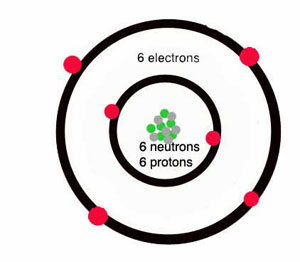
Which compound does NOT contain carbon atoms?

a)

carbon dioxide

b)

ammonium

c)

calcium carbonate

d)

methane

17.
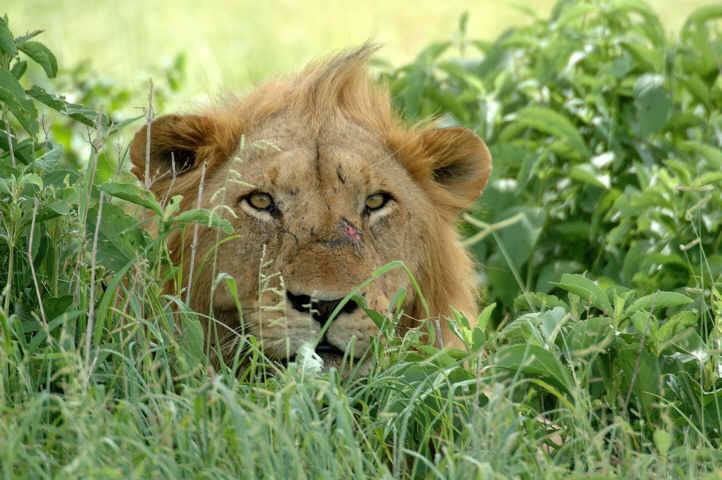
How does the carbon in grass become part of a lion?
a)
The lion eats the grass
b)
Carbon from grass doesn't end up in a lion. 
c)
The carbon ends up in the lion's food chain. 
d)
The lion breathes in carbon given out by the plant
18.

Which of the following is an example of human impact on the carbon cycle?

a)

The increased production of methane gases from cattle farms

b)

The burning of fossil fuels

c)

The cutting down of trees for lumber

d)

Driving automobiles

e)

All of the above

19.

Where does all the carbon in organisms (living things) originate from?

a)

Earth's atmosphere

b)

Rocks

c)

Water

d)

Soil

20.

Which of the following are some of the major carbon stores on Earth? You can choose multiple answers

a)

The ocean

b)

The lithosphere (upper part of Earth's crust)

c)

The atmosphere

21.
In what process is Carbon transformed into chemical energy?
a)
Photosynthesis
b)
Respiration
c)
Primary Production
d)
Secondary Production
22.

The circulation of the element Carbon among Earth's atmosphere, land, oceans, and organisms is called _____________.

a)

the Carbon Cycle

b)

the Oxygen Cycle

c)

the Carbon dioxide Cycle

d)

the Water Cycle

23.
Which of the following removes carbon from the atmosphere?
a)
Combustion
b)
Respiration
c)
Photosynthesis
d)
Death
24.

Which of the following is true about the greenhouse effect? you can choose more than one

a)

It is a natural process

b)

It is caused by gasses trap heat from infrared radiation

c)

It makes life on Earth possible

d)

It is the cause of global warming

25.
What are the end products of cellular respiration? 
a)
Carbon dioxide, water and ATP energy
b)
Carbon dioxide, glucose and water
c)
Oxygen, glucose and ATP energy
d)
Water, Carbon dioxide and Oxygen
26.

What would happen to the bird if the green fish died out?

a)

the bird population would grow

b)

the bird population would die out

c)

the smaller fish will die out

27.
In the energy pyramid here, which organisms have the most energy available?
a)
Producers
b)
Carnivores
c)
Herbivores
d)
Top Predator
28.
If these organisms were arranged in a food pyramid, which organism would have the least amount of total energy available?
a)
coyote
b)
insect
c)
lizard
d)
shrub
29.
an animal that eats both plants and animals
a)
carnivore
b)
herbivore
c)
omnivore
d)
consumer
30.
an organism that makes its own food
a)
producer
b)
consumer
c)
herbivore
d)
scavenger
31.
An organism that eats another organism.
a)
Autotroph
b)
Heterotroph
c)
Plant
d)
Producer
32.
In the energy pyramid here, how much of the energy in the producers gets passed to the herbivores?
a)
10%
b)
20%
c)
80%
d)
90%
33.
A secondary consumer 
a)
eats primary consumers
b)
eats producers
c)
eats plants
34.
All the organisms on earth get their energy directly or indirectly from?
a)
Oxygen
b)
Water 
c)
Nitrogen
d)
The Sun
35.

Which organisms eat only producers?

a)

Secondary Consumers

b)

Apex Predators

c)

Tertiary Consumers

d)

Primary Consumers