wayground logo

Free Printable Worksheets

NEW

Font size

S
M
L
XL
Worksheets

Population dynamics

Total questions: 20

Worksheet time: 3600secs

Name
Class
Date
1.

What causes competition to occur in an environment?

a)

Good conditions make resources plentiful.

b)

Organisms struggle for a limited resource.

c)

Members of a population have different roles.

d)

A population falls below the environment’s carrying capacity.

2.

What is one way that cooperation helps lions to survive?

a)

They hunt in a group to increase their likelihood of catching prey.

b)

They all have a tan color that helps them blend into their environment.

c)

They eat a variety of prey, including zebras, buffaloes, and wildebeest.

d)

They live in prides of five to ten adult females and their young, and one or two adult males.

3.

Without other changes to a population, which of the following will cause a population to increase in size?

a)

The birth rate equals the death rate.

b)

The birth rate is less than the death rate.

c)

The birth rate is greater than the death rate.

d)

The birth rate and the death rate both equal 0.

4.

Which of the following is an example of an abiotic limiting factor on population size?

a)

water availability

b)

Availability of food

c)

disease

d)

predation

5.
Carrying Capacity is
a)
the capacity of what one person can carry per day 
b)
how many animals you have in your daily bag limit at the end of the year
c)
wildebeest at a watering hole with zebras
d)
the maximum number of individuals that the environment can support
6.
Is a fungal infection in frogs considered biotic or abiotic?
a)
biotic
b)
abiotic
7.
A part of the environment that prevents a population from growing to large is a/n______________
a)
abiotic factor
b)
biotic factor
c)
limiting factor
8.
When a population grows past the ecosystem's carrying capacity, what happens to the population?
a)
Continues to grow
b)
The population starts to die off to return to carrying capcity
c)
The population will go extinct due to lack of resources
d)
The population grows then finds a new carrying capacity
9.
A population is 
a)
a group of communities that exist in different places
b)
a group of organisms of one species that lives in the same area at the same time
c)
a group of people that populate one place at the same time on different planets
10.
Which of the following will increase the size of a population?
a)
emigration and births
b)
immigration and deaths
c)
immigration and births
d)
emigration and deaths
11.
Which of the following statements about primary succession is true?
a)
It begins with a climax community
b)
Small mammals are the first to live there
c)
It begins with bare rock
d)
It begins with rock and soil
12.
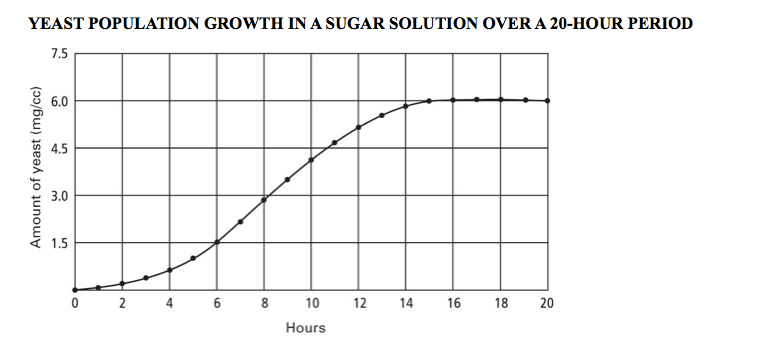
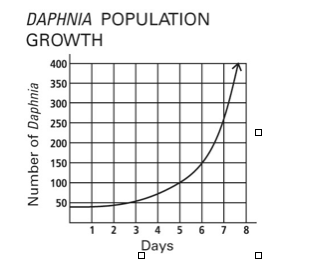
What type of growth is shown on this graph?
a)
logistic
b)
exponential
c)
average
d)
density-independent
13.
What type of population growth is shown in the graph?  
a)
logistic growth
b)
logical growth
c)
exponential growth
d)
density-dependent growth
14.
A sequence of biotic changes that regenerate or create an ecological community is known as
a)
factors
b)
erosion
c)
succession
d)
progression
15.
Lichens and mosses that first live in uninhabited areas are examples of
a)
secondary species
b)
non-native species
c)
pioneer species
d)
climax species
16.
Secondary succession is most likely to occur
a)
on a volcanic island
b)
after a rainstorm
c)
after a Thanksgiving Turkey dinner
d)
after a forest fire
17.
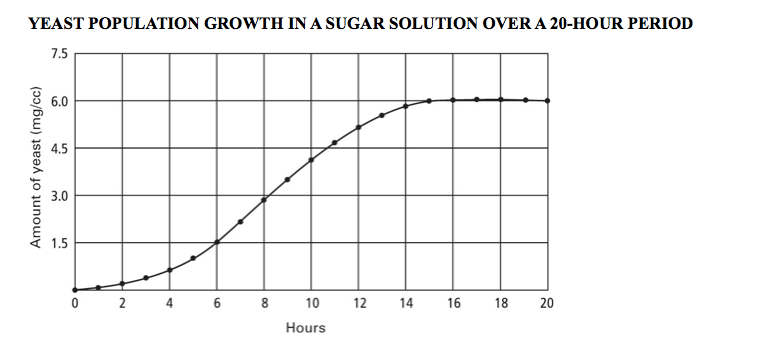
After how many hours does the yeast population shown in the graph reach its carrying capacity?
a)
15 hours
b)
10 hours
c)
6 hours
d)
At the start
18.
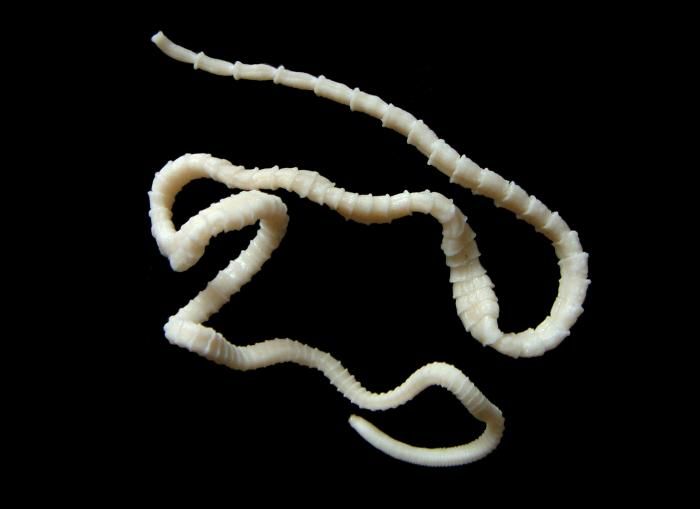
A tapeworm and a cat have this type of relationship.
a)
mutualism
b)
parasitism
c)
commensalism
d)
competition
19.
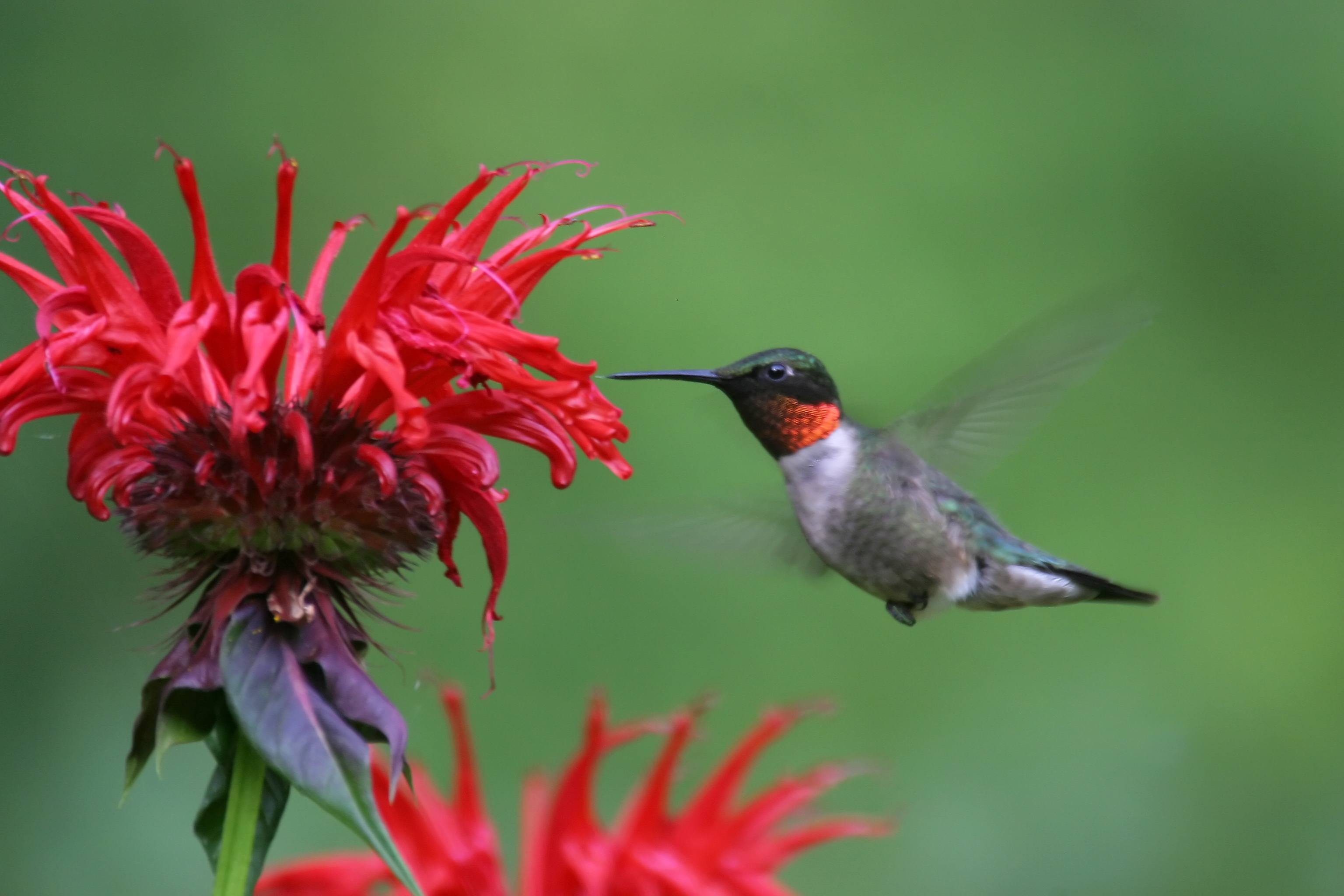
What type of symbiosis?  Hummingbirds feed on nectar from flowers.  The flowers are pollinated by hummingbirds as they move from flower to flower.
a)
commensalism
b)
mutualism
c)
parasitism
d)
predation
20.
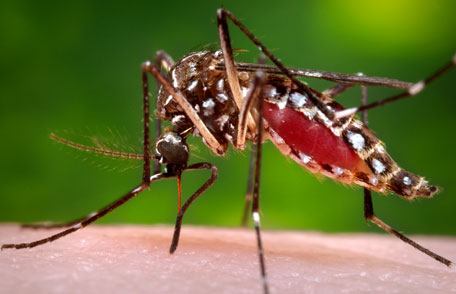
When a mosquito bites you, you are the __________ and the mosquito is the  ____________.
a)
host, hostess
b)
parasite, host
c)
host, parasite
d)
prey, predator