
 Worksheets
Ancient China- Gabbett
Total questions: 15
Worksheet time: 9mins
For what purpose would a Shang leader most likely use an oracle bone made from a turtle shell?
to serve as a ceremonial meal
to make music for his family
to send messages to the nobles
to ask for advice from ancestors
Which of the following actions did Emperor Shi Huangdi take in order to control Chinese thought?
He outlawed the ideas of Confucius and others.
He built the only library in the empire.
He trained all the scholars himself.
He wrote the philosophy books read by the people.
The right of a Chinese Dynasty to rule with the support of the Gods was called...?
The Mandate of Heaven
Philosophy
The Heavenly Commandments
Oracle Bones
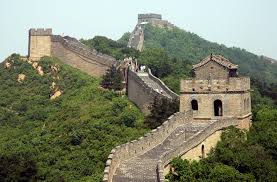
What is the purpose of the structure pictured here?
It is a temple
To protect China's northern border
It was used for trade with the West
To protect China from India
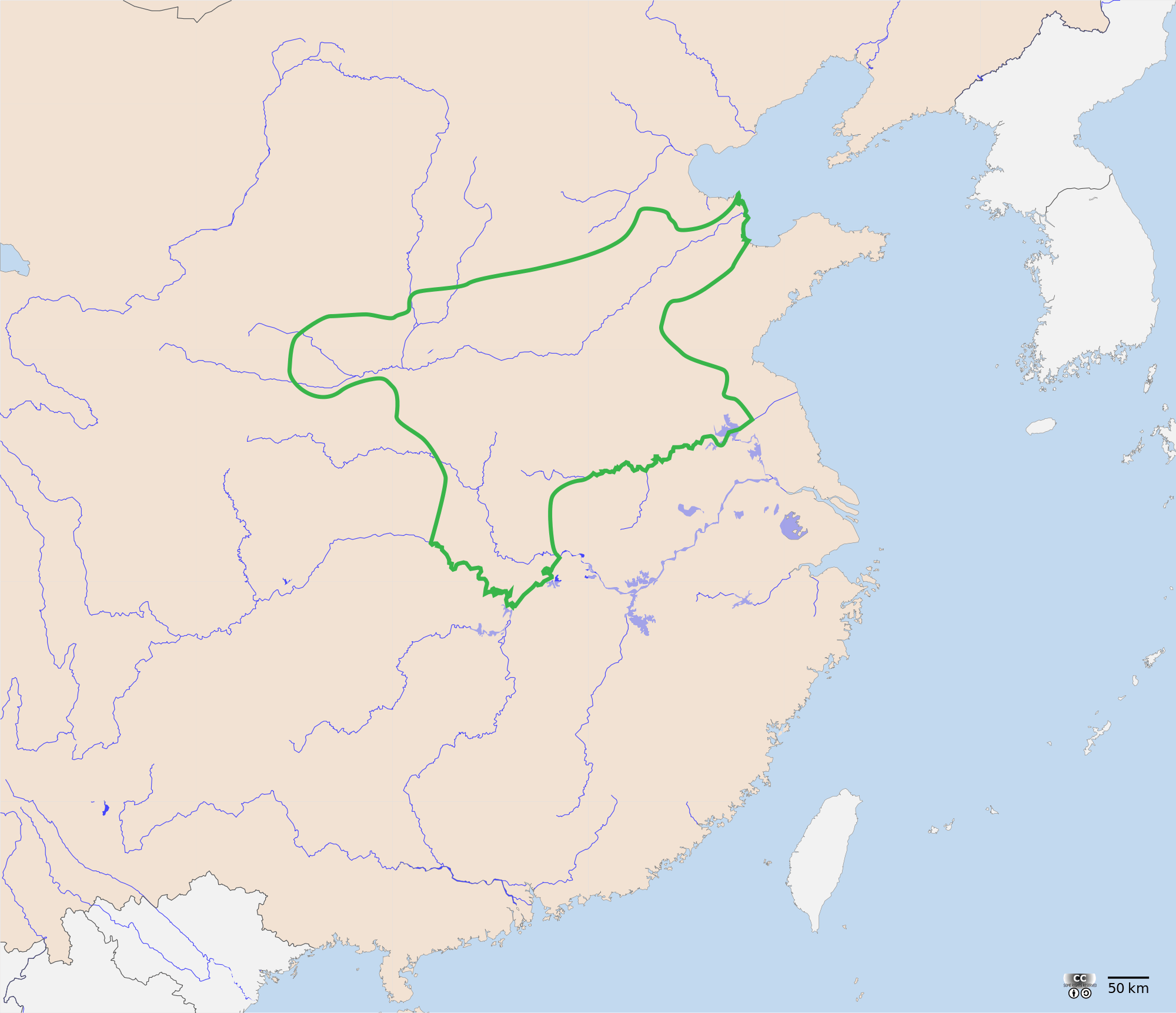
What was the name of China's FIRST recorded civilization?
Shang
Zhou
Hanfeizi
Huang He
What was the name of the trade route that stretched from Western China to Southern Asia?
filial piety
Silk Road
Great Wall
Anyang
How did geography affect the development of Chinese culture?
Long coastlines made access to trade possible.
Flat land made travel easy.
Great Wall of China made travel along the top easier for traders.
Tall mountains and deserts isolated China from other nations.

Which river is in China?
Green
Mississippi
Yellow
Himalaya
Which of these was invented in China during the Han dynasty?
School
Paper
Wood
Crackers
Which of the following were traded on the Silk Road?
Spices
Religion
Silk
All of the above
The center of early Chinese society was
the individual
the family
the state
the governor
Confucius was a very famous ____________ in Ancient China
emperor
philosopher
army leader
god
Who was the grandson of Genghis and the founder of the Yuan Dynasty?
Shi Huangdi
Confucius
Kublai Khan
Laozi
The teachings of ______________were used as the basic training for the civil service, the people who carried out the work of government.
Laozi
Shi Huangdi
Kublai Khan
Confucius

