
Font size
 Worksheets
Life Science
Total questions: 35
Worksheet time: 20mins

Select all that are products of Photosynthesis.
Water
Carbon Dioxide
Oxygen
Sunlight (Light Energy)
Glucose (Sugar/food)
Which of the following is the correct equation for PHOTOSYNTHESIS?
light + carbon dioxide + water --> glucose + oxygen
carbon dioxide + sugar + water --> oxygen + light
oxygen + light + water --> carbon dioxide + sugar
carbon dioxide + oxygen + water --> Light+ Sugar
Which organelle performs PHOTOSYNTHESIS and makes most plant leaves green?
Chloroplast
Mitochondria

Which ecosystem is usually found near the earth's equator where it is very warm and has lots of trees and animals such as parrots and jaguars?
Rainforest
Desert
Taiga
Chapparal

Which is an abiotic factor that most limits the number of frogs living/surviving in a pond?
the color of the water
the number of predators
the temperature of the water
the populations of producers


All the different organisms that make up the living parts of an ecosystem. This includes bacteria, fungi, plants, animals, even decaying logs.
abiotic
biotic factors
ecology
ecosystems

All of the nonliving things in an ecosystem. Although not alive, these things still affect everything living in the ecosystem.
factories
factor trees
biotic factors
abiotic factors

Something that limits the size of a population, such as space, shelter, amount of water, or amount of food.
maxfactor
factor tree
the x factor
limiting factor


The non living parts of an ecosystem, such as rain, sunlight, and wind.
abiotic factors
biotic factors
oxygen
soil

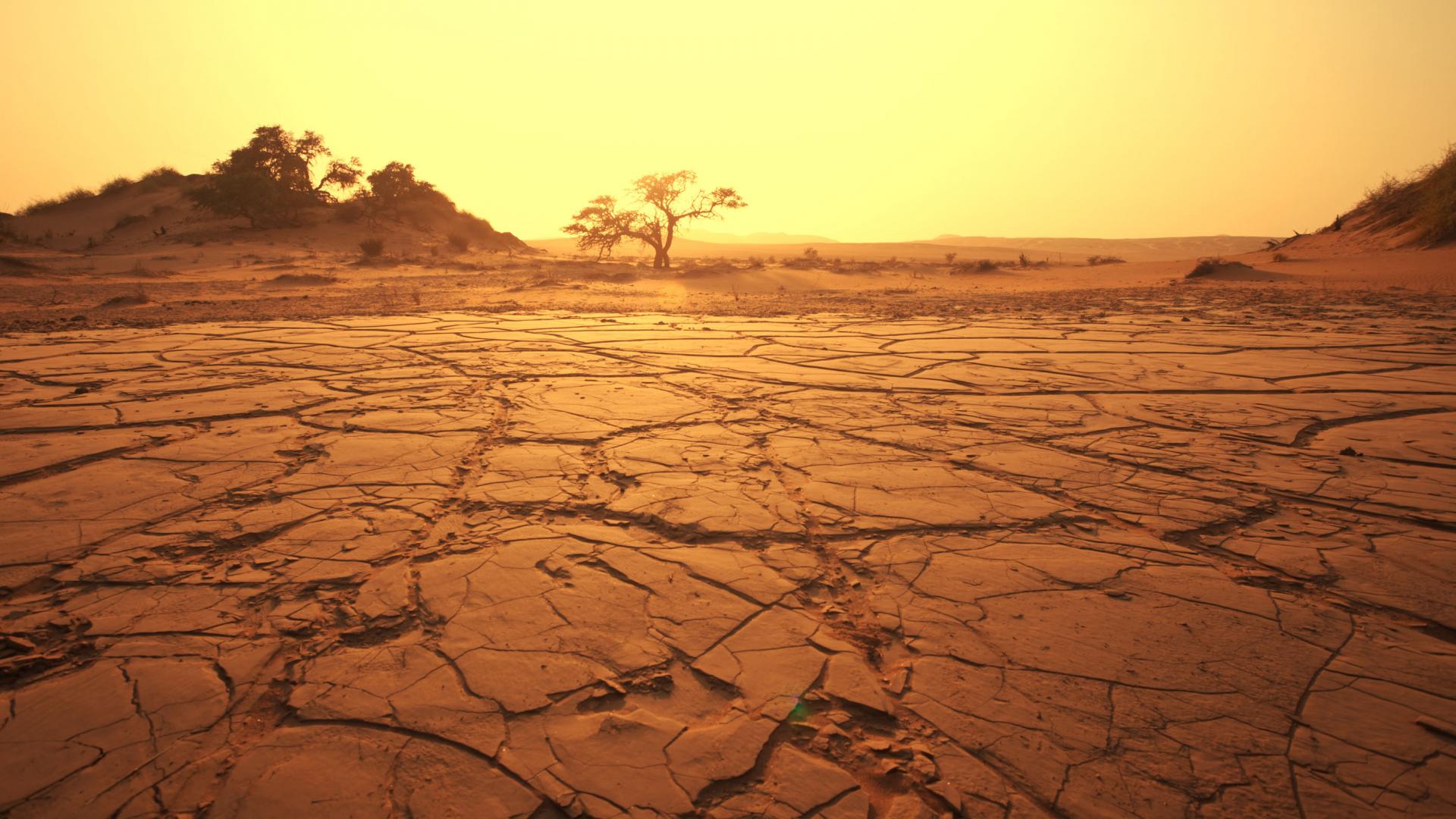
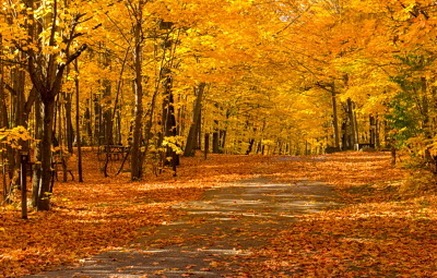
The correct picture that represents aquatic ecosystem is


Some examples of abiotic things in the ecosystem are
flowers, plants, and dead leaves.
frogs, fish, and ducks.
wind, rain, and sunlight
tree limbs and dead grass.


Alpine


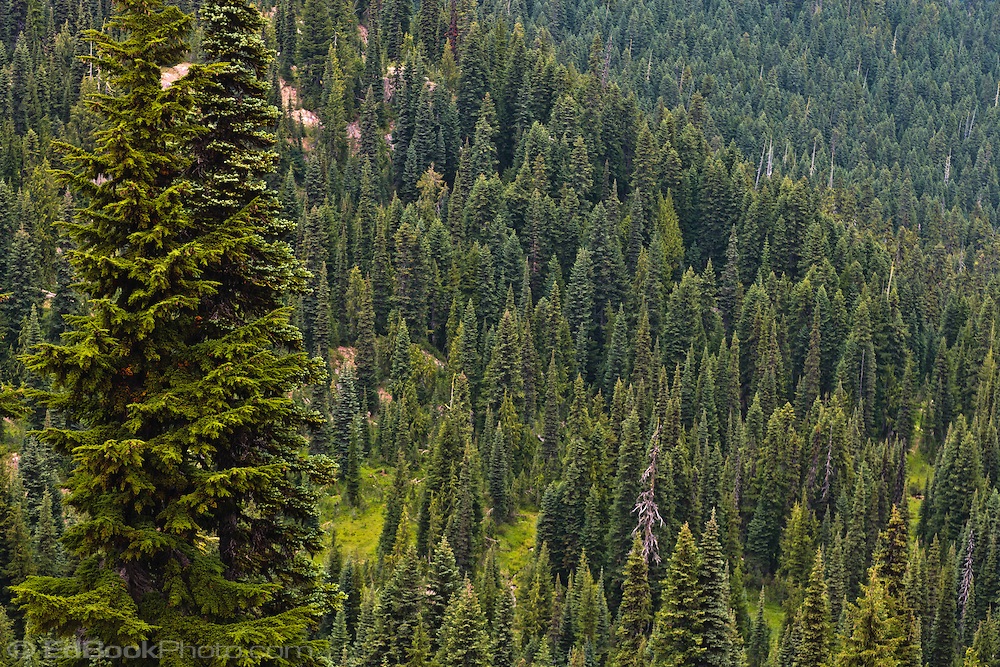
Which biome has mostly coniferous trees? Which are trees with cones, and evergreen leaves. Coniferous trees don't lose their leaves.
Taiga
Temperate Forest
Tundra
Grasslands
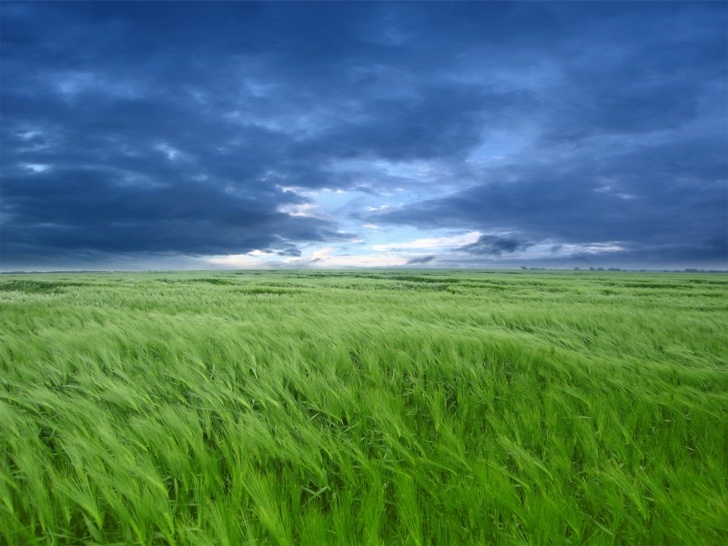
This biome has wide-open fields of grass and can be called a savannah, prairie, or ______________.
Taiga
Grassland
Temperate Forest
Rainforest
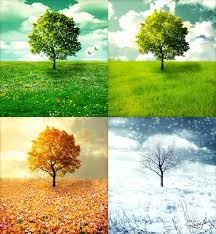

Which biome is Ohio in?
Grasslands
Taiga
Rainforest
Temperate Forest
Which biome is characterized by extremely low temperatures and permafrost?
Desert
Tundra
Rainforest
Grasslands
What type of organism breaks down dead material and returns nutrients to the soil?
Producer
Consumer
Decomposer
Predator
Which factor is biotic in an ecosystem?
Water
Soil
Plants
Sunlight

What is the purpose of cellular respiration?
to help the cells breathe
to help the cells communicate between themselves
to get the cell the energy they need to function
to help cells fight off various illnesses and bacteria

