
 Worksheets
Sc F3 : 3.4 Transport system in plants
Total questions: 15
Worksheet time: 8mins
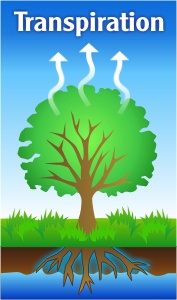
Why is the evaporation of water from leaves important?
It cools leaves and helps move water up the plant.
It makes the plant wilt
It helps the plant to respire
It makes the plant contract
Which of these is true?
Xylem vessels carry water and dissolved minerals up the plant
Phloem tissue carry water and dissolved minerals up the plant
Xylem vessels carry dissolved sucrose up and down the plant
Phloem tissue carry water only down the plant
What are the factors affecting the rate of transpiration in plant?
temperature
light intensity
air humidity
movement of air
all
What happens to the transpiration rate as light intensity increases?
It increases
It stays the same
It decreases
Which of the following would NOT speed up the rate of transpiration?
High humidity
High wind speed
Increased temperature
Large leaf surface area
When photosynthesis takes place during the day, stomata will...
open
close
static
hot
When is the hydathodes usually open?
at day
at night
when the humidity is hight
when the humidity is low
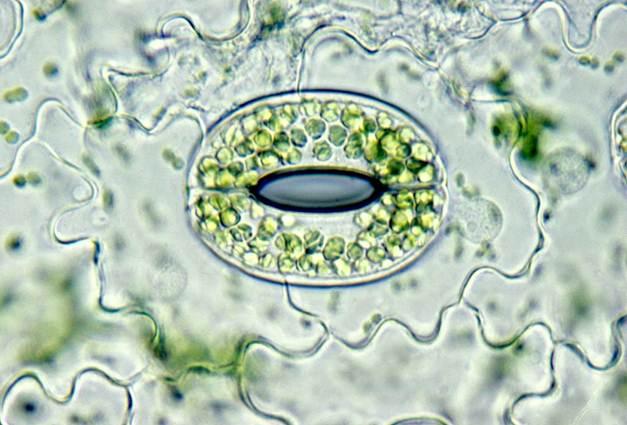
What do the guard cells do?
Control active transport
Control nutrients moving into the cell
Controls the rate of transpiration (loss of water through the leaf)
Guttation usually occurs at daytime or when the air humidity is lower
true
false

The diagram shows a tree trunk. A ring of bark including the phloem is removed.
The tree will eventually die because removing the bark stops the transport of
2015 Q29
Mineral salts to the leaves.
organic nutrients to the roots.
oxygen to the roots.
water to the leaves.

