
 Worksheets
1st year Assessment B
Total questions: 20
Worksheet time: 12mins
What do carbohydrates do for our bodies?
Gives us strong muscles
Helps us to digest our food.
Gives us energy.
Gives us proteins.
Where in the digestive system would you find hydrochloric acid?
oesophagus
stomach
large intestine
small intestine
Where in the digestive system is food absorbed into the blood?
mouth
stomach
large intestines
small intestines
What is the name given to how the muscles squeeze food through the digestive system?
digestion
absorption
peristalsis
projection

What gas do we breath out as waste?
Nitrogen
Oxygen
Hydrogen
Carbon Dioxide

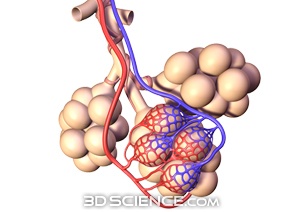
What are the tiny air-sacs where gas exchange takes place?
Lungs
Alveoli
Bronchus
Broncioli
Which of the following takes place during inhalation (breathing in)?
The diaphragm curves up
The diaphragm flattens
The ribs move in and down
Air is pushed out

Tube that carries oxygen from the mouth to the Bronchi. (#5)
Bronchioles
Alveoli
Oesophagus
Trachea
What is the function of the cell nucleus found in both plant and animal cells?
to produce energy
to control cell activity (stores DNA)
to remove waste products
to allow molecules to enter the cell
Which part of the plant cell stores chlorophyll which helps a plant to make food?
nucleus
mitochondria
chloroplasts
vacuoles
A group of organs working together create an
organelle
organ
organ system
organism
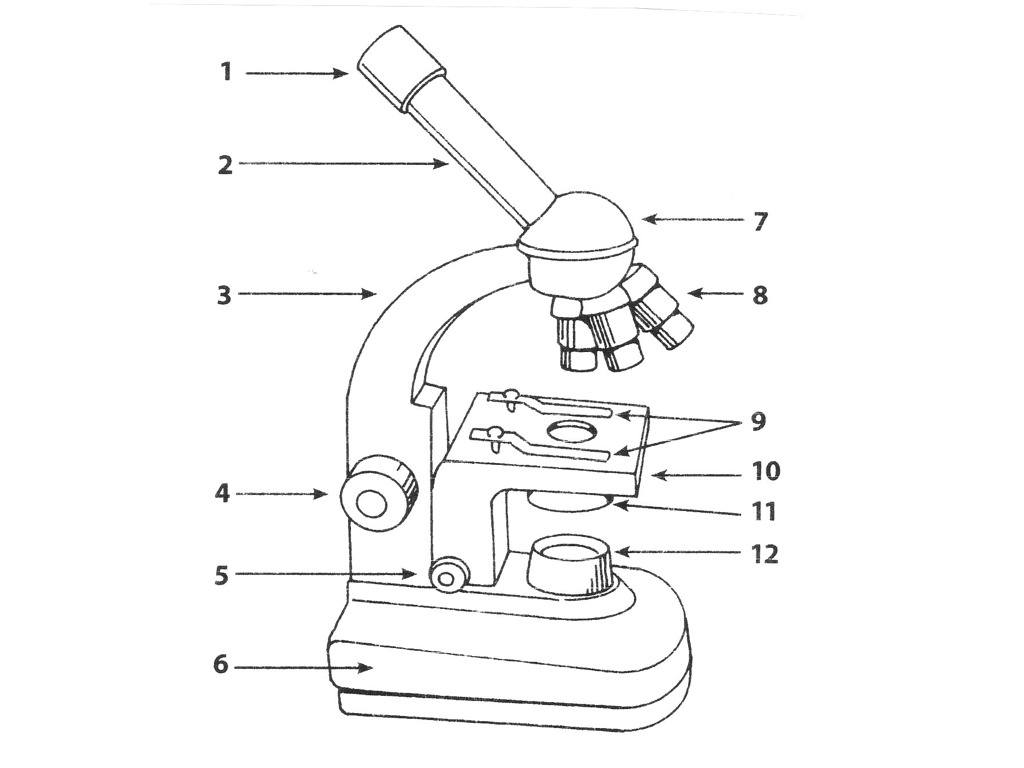

The specimen slide is placed on the ___
platform
table
stage
base

Using a 10x eyepiece lens and a 40x objective lens would give a total magnification of ___
40x
50x
400x
500x
Which of the following equations explain respiration?
glucose+water -> salt+sunlight
glucose+oxygen -> water+carbon dioxide+energy
water+carbon dioxide+sunlight -> glucose+oxygen
glucose+energy -> water+carbon dioxide+oxygen
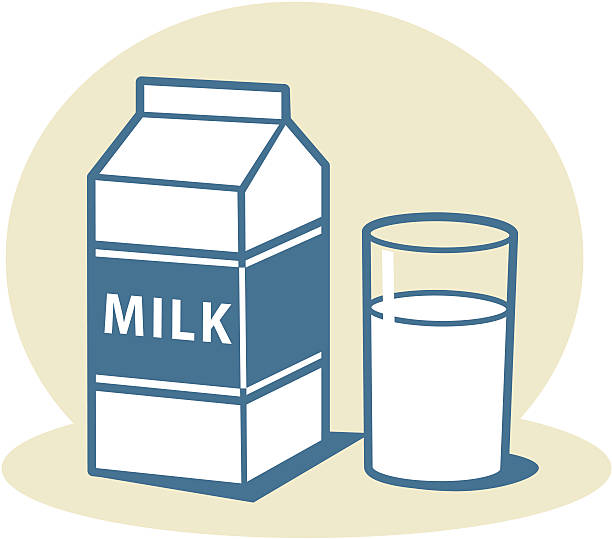
Calcium helps us:
Make strong teeth and bones.
Helps make red blood cells which carry oxygen around your body and gives you energy.
Helps your immune system and also assists with growth and healing wounds.
Examples of proteins are:
Foods that give provide us with energy: Rice, potatoes and cereal.
Foods that build and repair our bodies for growth: Meat, eggs and nuts.
Foods that provide us with energy and helps protect our organs: Sunflower oil, butter and avocado pear.
Foods that help our bodies develop and stay healthy: Fruit and vegetables.
Which teeth do we use to cut and bite our food?
canines
incisors
molars
premolars

