
 Worksheets
4th- Reading End of Year Activity-ONLINE LEARNING 2020
Total questions: 50
Worksheet time: 1hrs 22mins
FIGURATIVE LANGUAGE SKILLS:
"Life is a journey" is an example of what?
Simile
Metaphor
Hyperbole
Alliteration
FIGURATIVE LANGUAGE SKILLS:
I nearly died laughing is an example of what?
Metaphor
Simile
Alliteration
Hyperbole
FIGURATIVE LANGUAGE SKILLS:
Which of the following is an example of alliteration?
She was white as a ghost
Buzz
Peter Piper Picked a Peck of Peppers
Break a leg
FIGURATIVE LANGUAGE SKILLS:
Define hyperbole.
An overused phrase
Its raining cats and dogs
An over (excessive) exaggeration
A comparison of two unlike things, using like or as
FIGURATIVE LANGUAGE SKILLS:
Which type of figurative language uses like or as to compare two unlike things?
Personification
Metaphor
Simile
Hyperbole
FIGURATIVE LANGUAGE SKILLS:
Giving human characteristics to nonhuman object or animals is an example of what type of figurative language?
Personification
Onomatopoeia
Hyperbole
Metaphor
FIGURATIVE LANGUAGE SKILLS:
Select the correct type of figurative language.
The flowers danced in the wind is an example of:
Simile
Personification
Metaphor
Hyperbole
FIGURATIVE LANGUAGE SKILLS:
This sentence is an example of what: "I feel as happy as a puppy rolling around in the grass."
simile
metaphor
onomatopoeia
alliteration
FIGURATIVE LANGUAGE SKILLS:
This sentence is an example of what: "I have a ton of homework."
simile
hyperbole
personification
metaphor
FIGURATIVE LANGUAGE SKILLS:
Select the correct type of figurative language.
I have stood still and stopped the sound of feet.
alliteration
metaphor
onomatopoeia
simile
FIGURATIVE LANGUAGE SKILLS:
Select the correct type of figurative language
These words are examples of what: Boom! Bang!
personification
onomatopoeia
simile
metaphor
FIGURATIVE LANGUAGE SKILLS:
Select the correct type of figurative language.
The west wind dances down the road.
Personification
Hyperbole
Metaphor
Simile
FIGURATIVE LANGUAGE SKILLS:
Select the correct type of figurative language.
The sun smiled after the rain stopped.
Personification
Simile
Hyperbole
Metaphor
FIGURATIVE LANGUAGE SKILLS:
When the pitcher finished nine innings, he was hungry enough to eat a horse.
Metaphor
Hyperbole
Personification
Simile
FIGURATIVE LANGUAGE SKILLS:
BAM! The door shut behind me.
onomatopoeia
personification
simile
idiom
FIGURATIVE LANGUAGE SKILLS:
This sentence is an example of what: "Her voice was music to my ears."
simile
hyperbole
idiom
metaphor
FIGURATIVE LANGUAGE SKILLS:
This sentence is an example of what: "I’ve seen this movie a thousand times."
personification
hyperbole
idiom
metaphor
FIGURATIVE LANGUAGE SKILLS:
This sentence is an example of what: "You are my knight in shining armor."
simile
hyperbole
idiom
metaphor
FACT AND OPINION SKILLS
Which sentence about horses is a fact?
Horses eat hay and oats.
Horses are excellent eaters.
FACT AND OPINION SKILLS
Which sentence about milk is an opinion?
We get milk and other dairy products from cows.
Drinking milk is the best way to get strong bones.
FACT AND OPINION SKILLS
Which sentence is an opinion?
Spiders have 8 legs.
Spiders are probably scared of humans, too.
FACT AND OPINION SKILLS
Which sentence is a fact?
It is easy to learn how to write your name.
You can write your name with a pencil.
FACT AND OPINION SKILLS
Which sentence is a fact?
St. Patrick's Day is celebrated on March 17th.
St. Patrick's Day is full of fun.
FACT AND OPINION SKILLS
Which sentence is an opinion?
Cats catch mice and eat them.
Cats are excellent catchers of mice.
CAUSE AND EFFECT SKILLS
CAUSE:
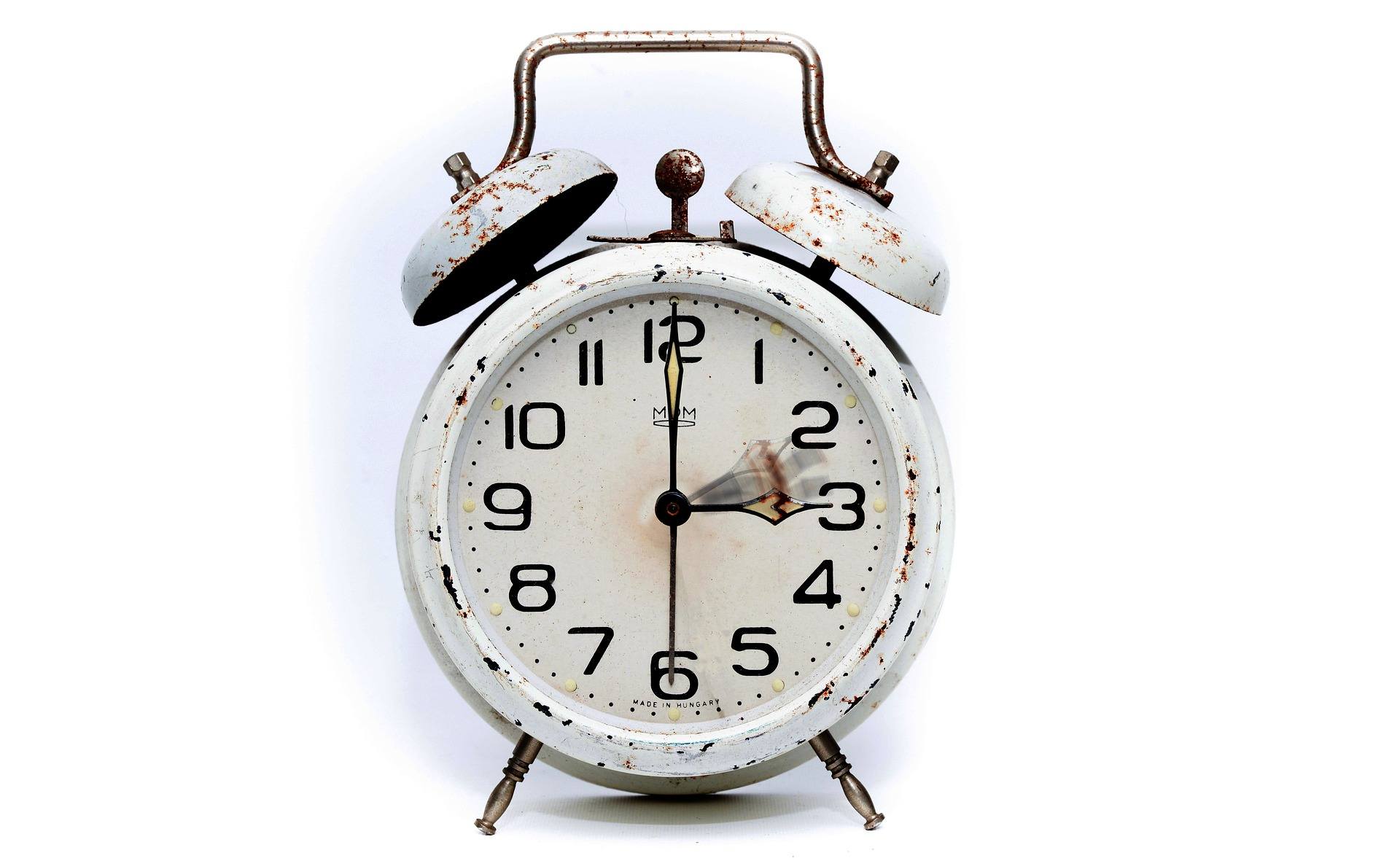
My alarm clock did not go off this morning, so...
I ate a big breakfast.
I was late for work.
CAUSE AND EFFECT SKILLS
What is the cause in this sentence?
Because it rained, I got soaked.
it rained
I got soaked
CAUSE AND EFFECT SKILLS
What is the cause in this sentence?
Since I got straight A's, my parents took me out to dinner.
My parents took me out to dinner
I got straight A's
CAUSE AND EFFECT SKILLS
What is the effect in this sentence?
Due to peanut allergies, students aren't permitted to bring in baked goods.
peanut allergies
students aren't permitted to bring in baked goods
CAUSE AND EFFECT SKILLS
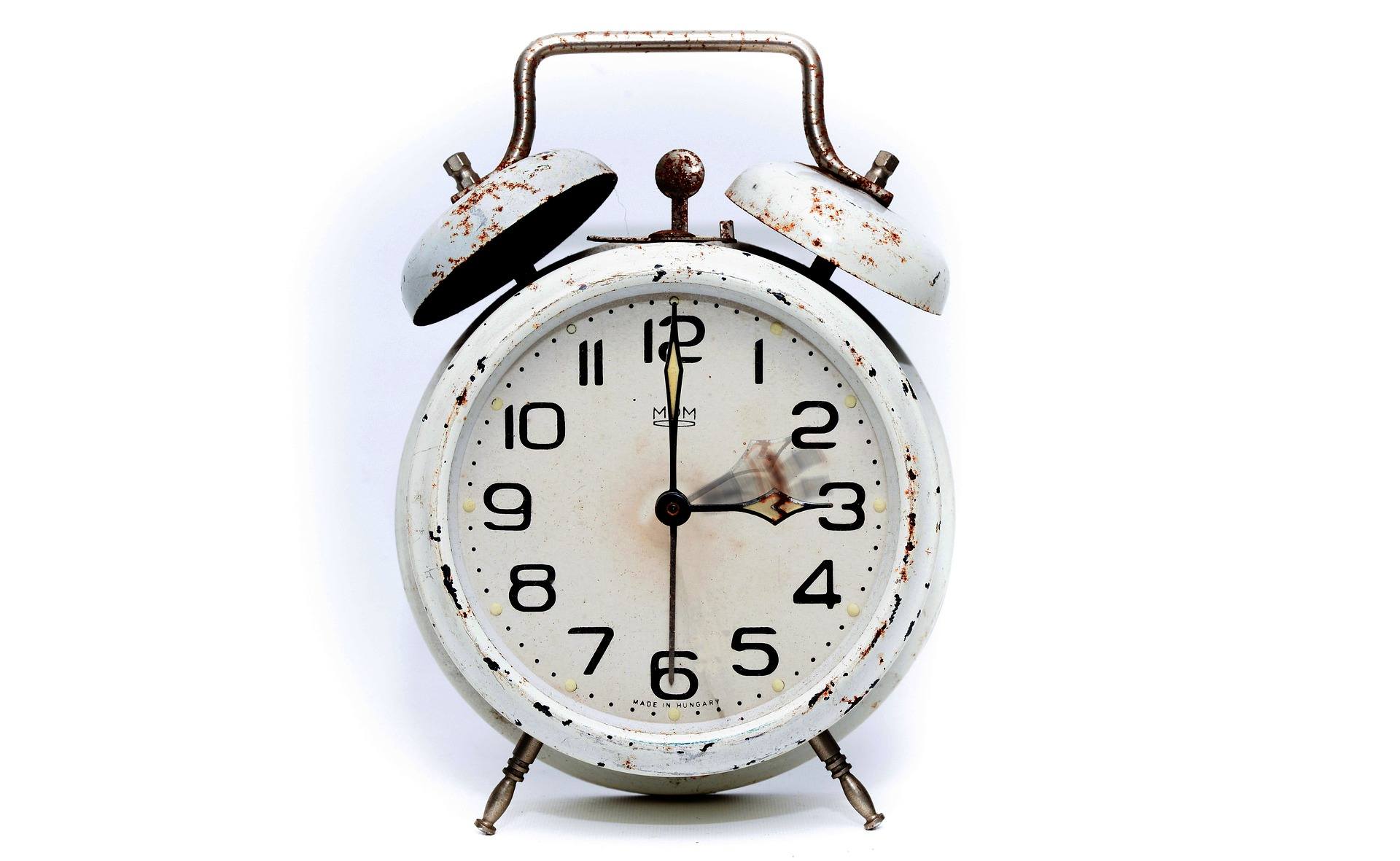
EFFECT:I missed the bus. What is the cause?
My alarm clock did not go off this morning, so...
I was waiting at the bus stop, so

CAUSE AND EFFECT SKILLS
CAUSE: It was very cold outside, so... What is the effect?
I wore my flipflops.
I wore a warm coat.

CAUSE AND EFFECT SKILLS
EFFECT: My stomach really hurts... What is the cause?
because I ate too much Halloween candy.
because I cut my hair.
Story structure:
What might be the main idea of a book titled "Eat Your Fruits and Vegetables?"
Tomatoes are good for you.
Strawberries have seeds on the outside.
It's important to eat vegetables and fruit.
Spinach is good for your bones.
Organizational structure:
Which chapter would have information about lions, tigers, and snow leopards?
"Lion, King of the Jungle"
"How Tigers get their Stripes"
"Save the Snow Leopards"
"Big Cats of the World"
Story structure:
A SUPPORTING detail explains the main idea in a paragraph. What does SUPPORT mean?
to search and find
to hold up and help
to end
to write
Story structure:
What is a main idea?
the central point of a piece of writing
the information that supports the topic sentence
the most interesting detail in a book
the punctuation used in a paragraph
What does Inference mean?
finding details in a story
Use clues from the text and what you already know in your head to come up with a decision
Giving a reason for your answer
Using what I know
To make an inference, we use evidence from the text, and our prior knowledge.
( I read it in the book, I thought it in my head, I made a decision because of it)
True
False
Inference skills:
Grandpa sees that his chocolate cake is all gone. Brad has crumbs on his mouth. What do you think happened?
Brad baked his own cake.
Brad needs to brush his teeth better.
Brad ate Grandpa's chocolate cake.
Brad ate Grandpa
Inference skills:
Gavin plays baseball and accidentally breaks a window. How do you think he feels?
He is scared of getting in trouble.
He feels happy and excited he threw the ball so hard.
He can't wait to break another window.
He is thinking he should study his spelling words.
Inference skills:
Which detail tells you that Mrs. McCoy is hungry?
Her eyes filling up with tears.
She is limping around the room.
She starts reading a book.
Her stomach growls loudly.
Select the correct inference.
Tate stamps his feet and crosses his arms. How do you think he feels?
joyful
tearful
lonely
angry
Select the correct inference.
How might a character act if he felt sad?
Put his head down and sigh
Yell and jump up and down
Smile and wave
Laugh until his sides hurt
FIGURATIVE LANGUAGE SKILLS:
What is an example of a metaphor?
She is like a bear in the morning- grumpy and cruel.
The flower stretched her hand out to the sun, yearning for its' rays.
Her hair was silk.
Buzz, Hiss, Woof
STORY PLOT MAP SKILLS:
The _______ is where the story takes place.
setting
characters
plot
solution
STORY PLOT MAP SKILLS:
The _______ is what happens in a story and is the largest part of the story plot map.
exposition
rising action
climax
falling action
resolution
STORY PLOT MAP SKILLS:
When do you usually meet main characters?
resolution
falling action
exposition
climax
STORY PLOT MAP SKILLS:
A ______ is something characters try to solve.
solution
conflict
plot
illustration
STORY PLOT MAP SKILLS:
Select the correct terms in the story plot map
exposition, rising action, climax, falling action, resolution
problem, setting, action, turning point, falling action, end
beginning, middle, end
exposition, rising action, climax, falling action, solution
STORY STRUCTURE SKILLS:
Which is a theme
Describes a character
Overall message
Reflect on reading
Summarize a passage
READING SKILLS:
What is a context clue?
a word or phrase the helps you find the meaning of another word
a word or phrase at the beginning of the sentence
a lesson, usually about life
an antonym

