wayground logo

Bảng tính có thể in miễn phí

MỚI

Cỡ chữ

S
M
L
XL
bảng tính

7th Grade in Review

Total câu hỏi: 44

Worksheet time: 24mins

Tên
Lớp học
Ngày
1.
Which body system breaks down food and sends nutrients to all of the body's organs?
a)
nervous
b)
spinal
c)
skeletal
d)
digestive
2.
Which system works with the skeletal system to make your body move?
a)
muscular
b)
digestive
c)
nervous
d)
circulatory
3.
How does the digestive system work with all other systems?
a)
The digestvie system transports blood to all the other systems
b)
The digestive system puts oxygen into the body
c)
The digestive system gives the body energy and nutrients
d)
The digestive system allows the body to move
4.
Which system of the body uses veins, blood, and arteries?
a)
The nervous system
b)
The circulatory system
c)
The respiratory system
d)
The blood system
5.
Which two systems work together to transport nutrients to the body for energy?
a)
The nervous and digestive systems
b)
The respiratory and circulatory systems
c)
The digestive and circulatory systems
d)
The skeletal and digestive systems
6.
What is responsible for delivering oxygen and removing carbon dioxide from the body?
a)
cell nucleus
b)
excretory system
c)
nervous tissue
d)
respiratory system
7.
Which of the following shows the levels of organization of an organism from LEAST to MOST complex.
a)
cells-tissues-systems-organs
b)
organs-cells-systems-tissues
c)
systems-organs-tissues-cells
d)
cells-tissues-organs-systems
8.
The main purpose of the ____________ system is to break food particles into pieces that can be used.
a)
circulatory
b)
respiratory
c)
digestive
d)
skeletal
9.
Which system includes the mouth, esophagus, and the small and large intestines?
a)
nervous
b)
excretory
c)
respiratory
d)
digestive
10.

Where is enzyme "amalayse" found in the digestive system?

a)

In your mouth

b)

In your throat

c)

In your intestines

d)

In your stomach

11.
Where does digestion begin?
a)
in the stomach
b)
in the mouth
c)
in the esophagus
d)
in the small intestine
12.

Where are nutrients absorbed into the bloodstream through the villi?

a)

esophagus

b)

stomach

c)

small intestine

d)

large intestine

13.

True or False? Carbohydrates break down into glucose, a sugar.

a)

true

b)

false

14.

M'K lost weight over time because...

a)

she was on a diet

b)

she was not absorbing food in her small intestine.

c)

she was breaking down stored fat

d)

she was not absorbing food in her small intestine AND she was breaking down stored fat.

15.

Substances that form as the result of a chemical reaction

a)

products

b)

reactants

16.
This type of system allows matter to flow freely in and out...
a)
Closed System
b)
Open System
17.

A boiling pot that has a lid on it, to keep the energy containted, is what type of system?

a)

Closed System

b)

Open System

18.

A change that does not result in a new substance.

a)

Chemical Change

b)

Physical Change

19.

A teacher is demonstrating physical and chemical changes to their class. Which action should they use to demonstrate a chemical change?

a)

Cutting a piece of paper with scissors.

b)

Folding a piece of paper into an airplane.

c)

Ripping a piece of paper with their hands.

d)

Burning a piece of paper with a match.

20.
A change where one or more new substances are created.
a)
Physical Change 
b)
Chemical Change 
21.
Photosynthesis is an example of a
a)
physical change
b)
chemical change
22.
Digesting your food is an example of 
a)
chemical change
b)
physical change
23.

Cutting a log in to small pieces is a chemical change.

a)

true

b)

false

24.
Properties that can be observed without changing the identity of the substance.
a)
Physical
b)
Chemical
25.
Helium balloons rise on earth because
a)
helium is less dense than air
b)
helium is more dense than air
c)
helium is cooler than air
d)
helium is warmer than air
26.
True or False:  The density of a specific type of material never changes.  
a)
True
b)
False
27.
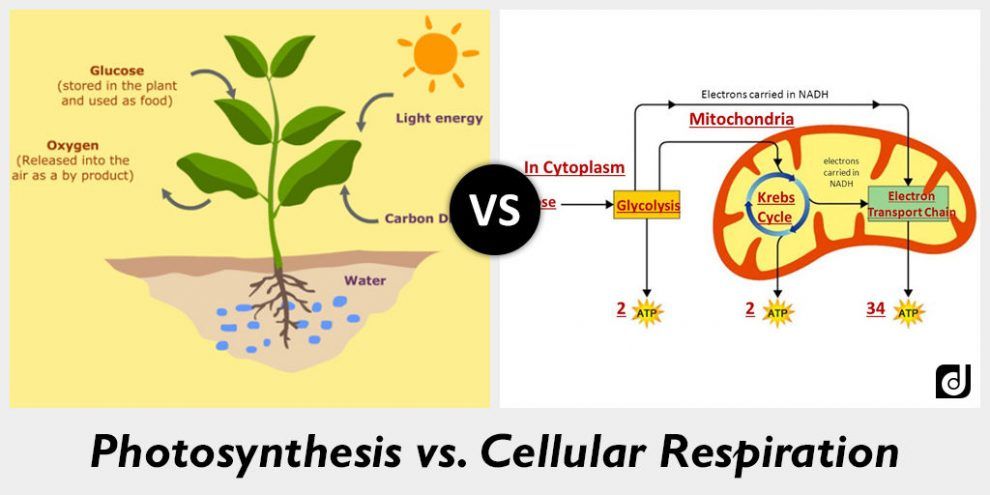
Plants need ________from the air for photosynthesis
a)
oxygen
b)
soil
c)
carbon dioxide
d)
sugar
28.
The products of photosynthesis are
a)
water and carbon dioxide
b)
oxygen and water
c)
sugar and cabon dioxide
d)
oxygen and sugar (glucose)
29.
In what part of the cell does photosynthesis occur?
a)
Nucleus
b)
Chloroplast
c)
Epidermis
d)
Vacuole
30.
After photosynthesis, plants store their energy as _________ .
a)
chlorophyll
b)
pigment
c)
glucose (sugar)
d)
Oxygen
31.

Which of the following statements best describes the term photosynthesis?

a)

When plants absorb the energy from the sun.

b)

How plants reproduce.

c)

The process by which plants make their own food.

d)

The process by which animals make their own food.

32.
What three things are needed for a plant to do photosynthesis?
a)
Glucose, Oxygen, Sunlight
b)
CO2, Oxygen, Sunlight
c)
CO2, Water, Sunlight
d)
Oxygen, Water, Sunlight
33.

Glucose (C6H12O6) is made of...

a)

Carbon

b)

Hydrogen

c)

Oxygen

d)

All of the above

34.

Photosynthesis occurs in...

a)

Humans

b)

Animals

c)

Plants

d)

All of the above

35.

Plants are called producers because they...

a)

Produce energy

b)

Make their own food

c)

Are edible

d)

Grow from seeds

36.
What gas is released into the air during cellular respiration?
a)
oxygen
b)
carbon dioxide
c)
water 
d)
glucose
37.
What are the reactants in cellular respiration?
a)
glucose and oxygen
b)
glucose and carbon dioxide
c)
water and carbon dioxide
d)
oxygen and glucose
38.
What are the products in cellular respiration?
a)
water and carbon dioxide
b)
water and glucose
c)
carbon dioxide and oxygen
d)
glucose and oxygen
39.

The release in energy from the sugar that are in plant and animal cells is called...

a)

photosynthesis

b)

transpiration

c)

cellular respiration

d)

transition

40.

Which of the following organelles is responsible for cellular respiration?

a)

Mitochondria

b)

Nucleus

c)

Endoplasmic Reticulum

d)

Ribosome

41.

Where do animals get the oxygen and glucose they need for cellular respiration?

a)

Plants

b)

Mitochondria

c)

Sun

d)

other animals

42.

Which organism go through cellular respiration?

a)

animals

b)

plants

c)

both animals and plants

d)

none

43.
Plants can...
a)
Only use photosynthesis
b)
Only use cellular respiration
c)
Use photosynthesis and cellular respiration
44.
Cellular respiration and photosynthesis are related because...
a)
They both make glucose
b)
They both require oxygen
c)
The products of one reaction are the reactants of the other reaction
d)
They both make carbon dioxide