
 Worksheets
Final Assessment
Total questions: 20
Worksheet time: 11mins
Semiconductors are elements that conduct electricity at high temperatures, but not at low temperatures. Which of the following best describes semiconductors?
Metalloids
Metals
Nonmetals
All of the above
All are properties or characteristics of metallic compounds EXCEPT _
Do not dissolve in water
Shiny surface
Dull appearance
Can be hammered into sheets and pulled into wire
Newton's 1st law states _
an object in motion will stop
for every reaction there is a equal and opposite reaction
force equals mass times acceleration
an abject in motion will remain in motion and object at rest will remain at rest unless acted upon by an unbalanced force
Throwing a ball is an example of Newton's __.
1st law
2nd law
3rd law
1st and 2nd laws
All are of the following are Newton's laws EXCEPT__.
force equals mass times acceleration
an object at rest will remain at rest and object in motion will remain in motion unless acted upon by an unbalanced force.
acceleration is due to unbalanced forces
for every action there is a equal and opposite reaction
When rocks are broken down Into smaller pieces, it is called __ weathering.
biological
environmental
chemical
mechanical and physical
Minerals that are rich in iron when broken down forms new compounds. Iron oxide causes the red color in soil. This is due to___.
acid rain
leaching
oxidation
erosion

This rock formation is due to what type of abrasion?
Wind
Water
Gravity
Glaciers
Which atoms in a water molecule has a partial postive charge?
Carbon
Helium
Hydrogen
Oxygen

Stalactites and stalagmites are caused by __.
frost wedging because it is a mechanical process
thermal stress that is caused from the inside of the cave
oxidation which is a type of physical weathering
carbonation which is a type of chemical weathering
Resources that are not able to be reproduced as quickly as they are used are called _____.
renewable resources
replaceable resources
nonrenewable resources
nonreplaceable resources
What are fossil fuels?
Coal, Oil, Uranium
Oil, Natural gas, Uranium
Coal, Oil, Natural gas
Geothermal, Coal, Natural gas
Which of these is nonrenewable?
Natural gas
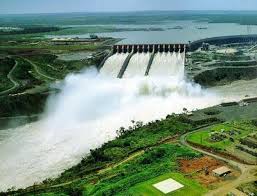
Water in a dam
Solar power
Wind energy
Which of these is renewable energy?
Coal
Petroleum
Oil
Biomass

Renewable energy resources produce less __ than fossil fuels.
pollution
energy
wind
light
Fossil Fuel are?
A group of energy resources that were formed from dead and decayed ancient plants' and organisms' remains.
A group of dinosaur fossils
A type of gas used for planes
Trilobites
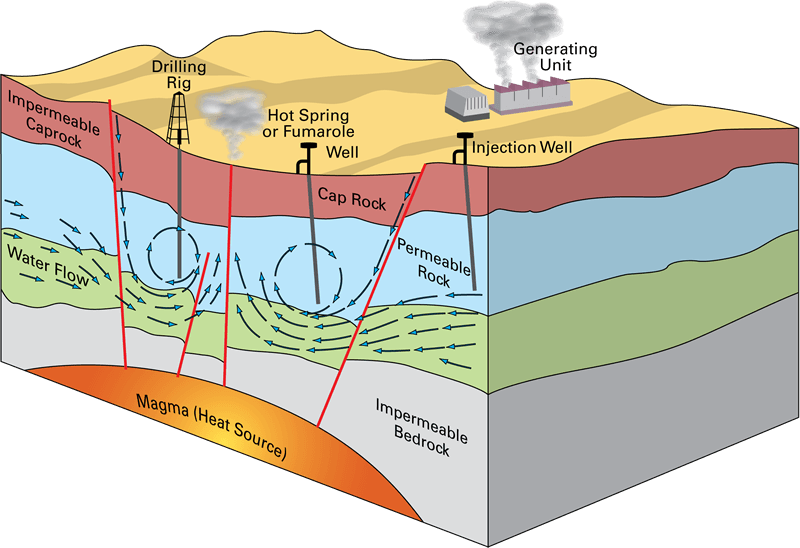
__________uses heat from the interior of the Earth.
Solar
Geothermal
Nucler
Wind

