wayground logo

Free Printable Worksheets

Font size

S
M
L
XL
Worksheets

Electricity Quiz 1

Total questions: 20

Worksheet time: 20mins

Name
Class
Date
1.
What charge does an electron have?
a)
negative (-)
b)
positive (+)
c)
neutral or no charge (0)
d)
both positive and negative
2.
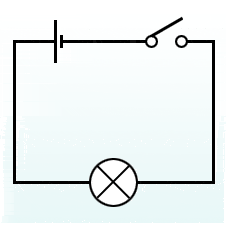
What kind of circuit is this?
a)
series
b)
parallel
c)
double circuit
d)
serious
3.
this circuit is .....?
a)
open, series
b)
open, parallel
c)
closed, series
d)
closed, parallel
4.

The current flowing in an electric circuit can be increased by:

a)

increasing voltage or decreasing resistance.

b)

decreasing voltage or increasing resistance.

c)

increasing voltage and increasing resistance.

d)

decreasing voltage and decreasing resistance.
5.
A path through which electricity flows
a)
battery terminal
b)
open circuit
c)
circuit
d)
series circuit
6.
A circuit in which an electrical current cannot flow through.
a)
open circuit
b)
closed circuit
c)
volt
d)
parallel circuit
7.
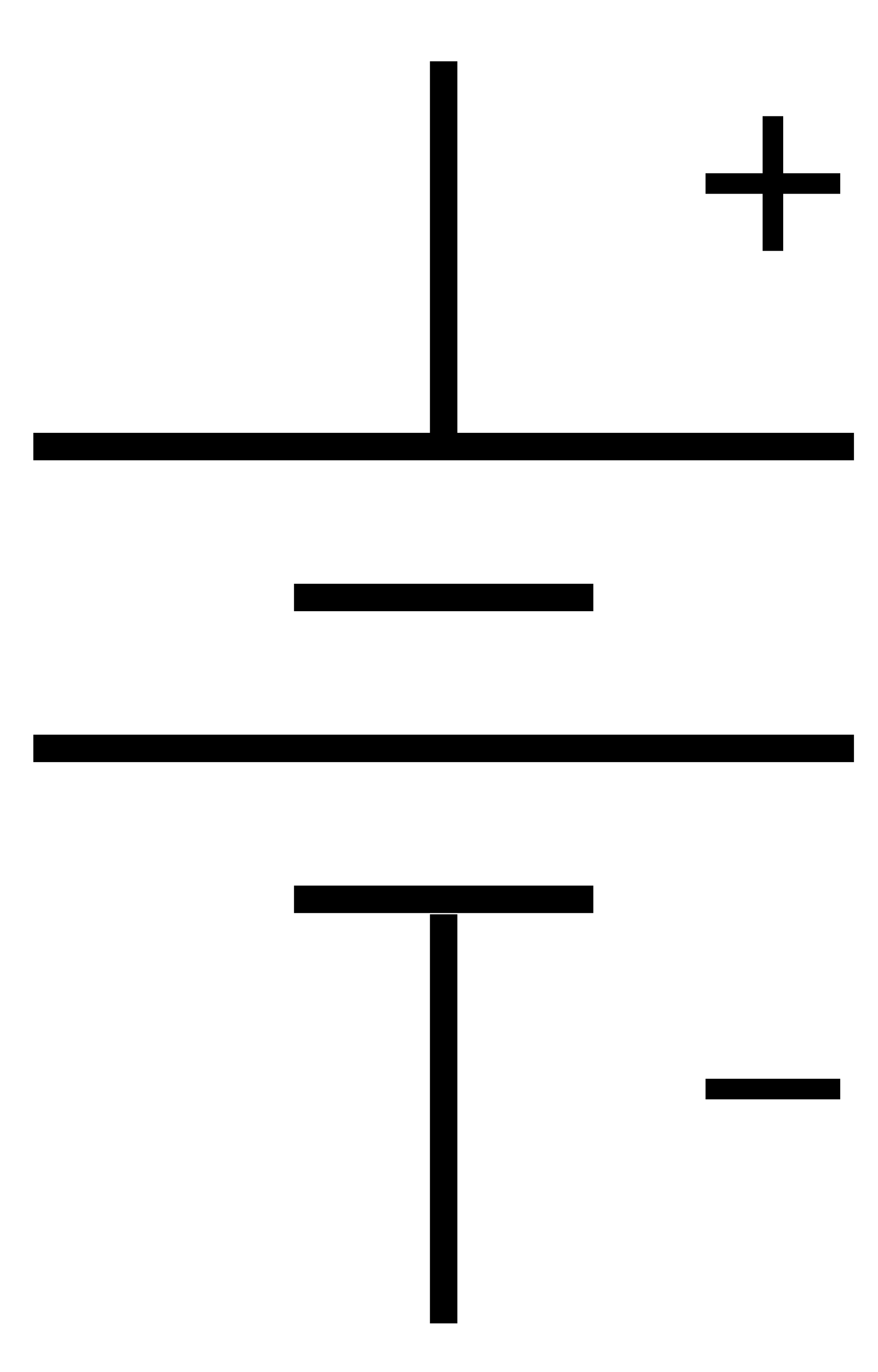
what is this symbol for?
a)
light bulb
b)
switch
c)
battery
d)
resistor
8.
Pick the correct sentence.
a)
This circuit will work because it is a closed circuit.
b)
Energy will freely flow in this circuit.
c)
This circuit will not work because there is no energy source.
d)
This circuit will not work because there is no switch.
9.
Which best describes a parallel circuit?
a)
Electricity flows along one pathway.
b)
The flow of electricity comes from one source. 
c)
Electricity flows along more than one pathway. 
d)
The flow of electricity comes from more than one source. 
10.
A balloon has a negative charge.  The glass rod has a positive charge.  What will happen when the glass rod is brought near the balloon?
a)
The balloon will be attracted to the rod
b)
The balloon will be repelled by the rod
c)
The balloon will remain in place
d)
The balloon will spin in circles
11.
What is the resistance, if the voltage is 9 V and the Current is 3 Amps?
a)
.33
b)
27
c)

6

d)
3
12.
What is the current if the resistance is 20 ohms, and the voltage 100 V?
a)
20 Amps
b)
5 Amps
c)
.2 Amps
d)
2000 Amps
13.
If the battery produced 12.6 Volts and what would be the current flow be for a 6 Ohm resistor
a)
2.1 Amps
b)
2.4 Amps
c)
1.71 Amps
d)
15 Amps
14.
What is resistance measured in?
a)
Ω (Ohms)
b)
V (Volts)
c)
A (Amps)
d)
W (Watts)
15.

Formula for potential difference , given work done and charge, is

a)

 p.d = Workchargep.d\ =\ \frac{Work}{ch\arg e} 

b)

 p.d = chargeWorkp.d\ =\ \frac{ch\arg e}{Work} 

c)

 p.d = Work × chargep.d\ =\ Work\ \times\ ch\arg e 

d)

 p.d = charge ×Workp.d\ =\ ch\arg e\ \times Work 

16.

When the length of a wire increases by 5 times, the resistance of the wire will

a)

also increase by 5 times

b)

decrease by 5 times

c)

remain the same

d)

None of the above

17.

which formula/formulae below can be used to calculate electrical power?

a)

Power = voltage ×currentPower\ =\ voltage\ \times current

b)

Power = voltage2resistancePower\ =\ \frac{voltage^2}{resis\tan ce}

c)

Power = current2 ×resistancePower\ =\ current^2\ \times resis\tan ce

d)

power = voltagecurrentpower\ =\ \frac{voltage}{current}

18.

What does the Voltage vs Current graph for an Ohmic component look like?

a)

A curved graph

b)

A horizontal line

c)

A linear graph

d)

A vertical line

19.

Which type of circuit is used in our homes and allows components to be turned on and off independently?

a)

Series

b)

Parallel

c)

Both a and b

d)

Neither a or b

20.

Which of these represents a Battery?

a)
b)
c)
d)