
 Worksheets
Water cycle
Total questions: 19
Worksheet time: 19mins

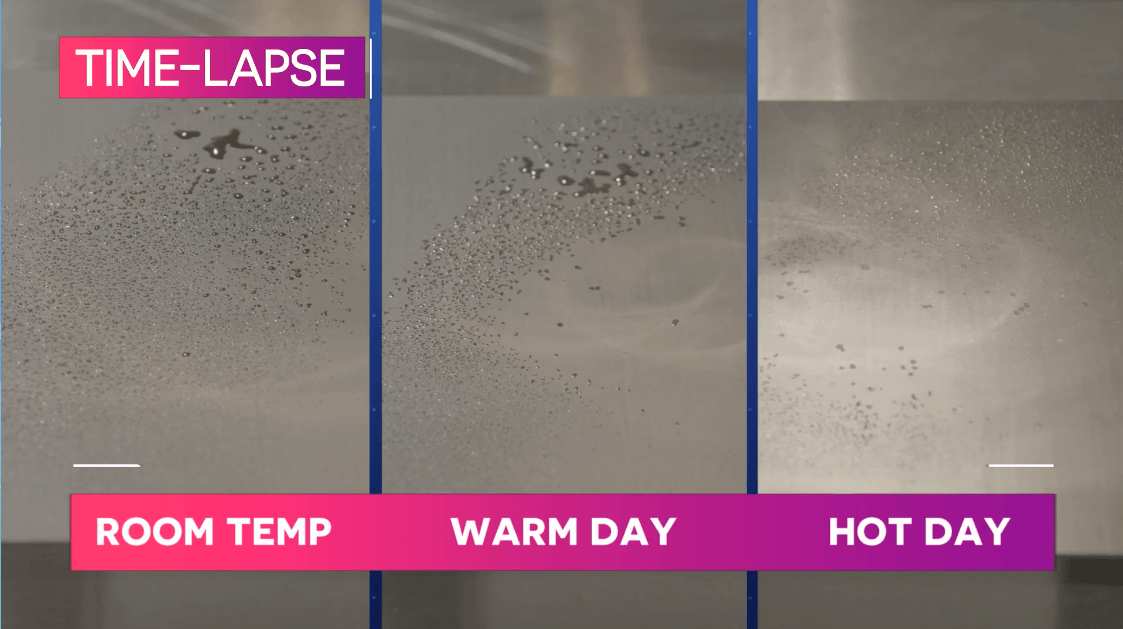
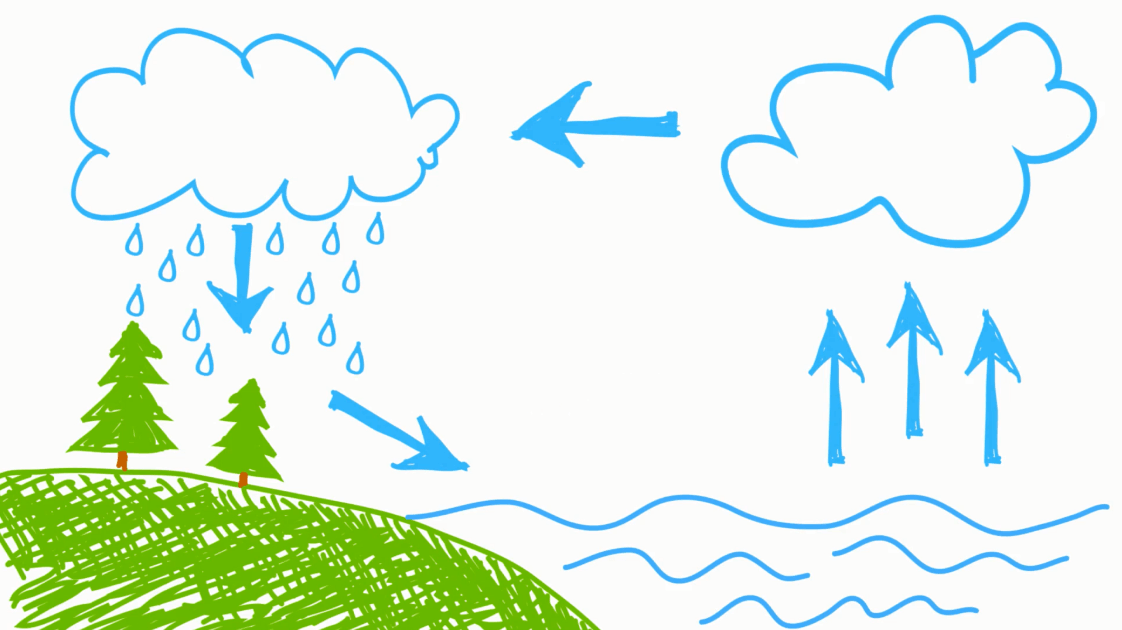
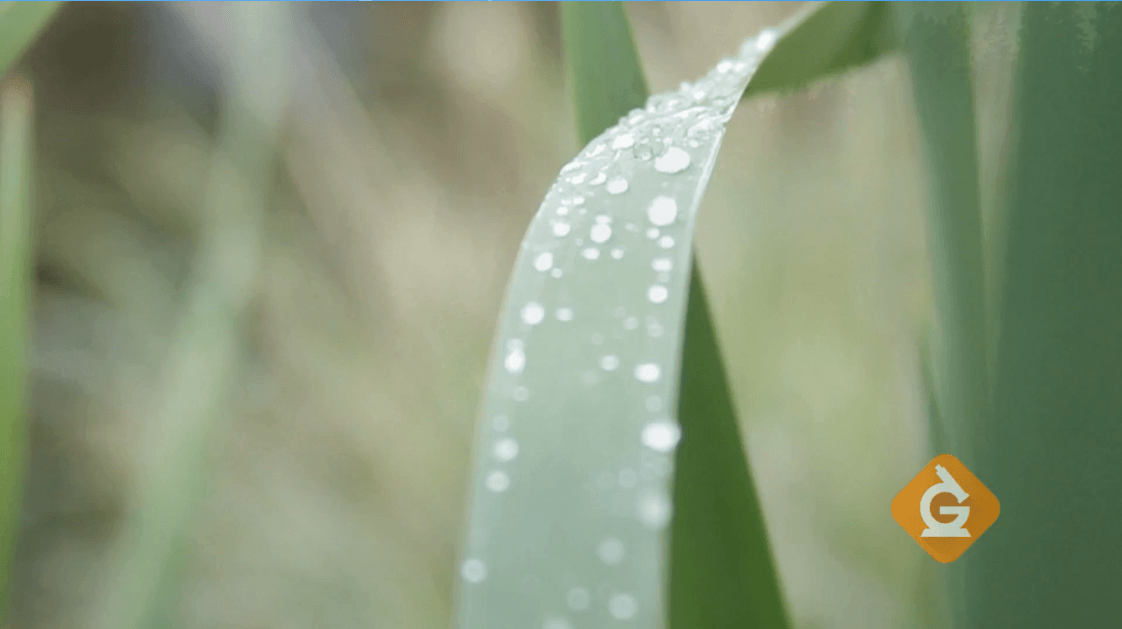
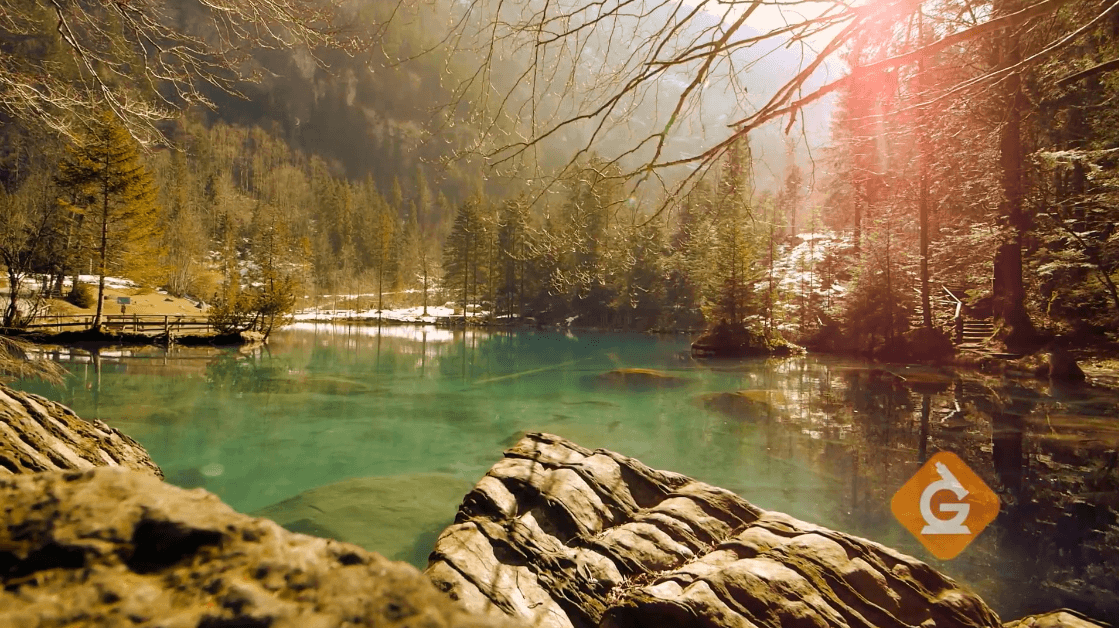

What is it called when plants release water vapor as a waste product? (¿Cómo se llama cuando las plantas liberan vapor de agua como producto de desecho?
Percolation (percolación)
runoff (escorrentía)
infiltration (infiltración)
transpiration (trasnpiración)

process that turns liquid into solid (proceso que convierte el líquido en sólido)
Condensation (Condesanción)
Evaporación (Evaporation)
Sublimation (Sublimation)
Freezing (Congelación)

process that turns solid into liquid (proceso que convierte el sólido en líquido)
Condensation (Condesanción)
Evaporación (Evaporation)
Melting (Derretimiento)
Freezing (Congelación)

process that turns gas into liquid (proceso que convierte el gas en líquido)
Condensation (Condesanción)
Evaporación (Evaporation)
Melting (Derretimiento)
Freezing (Congelación)

process that turns liquid into gas (proceso que convierte el líquido en gas)
Condensation (Condesanción)
Evaporación (Evaporation)
Melting (Derretimiento)
Freezing (Congelación)

process that turns solid into gas without passing through the liquid state ( proceso que convierte el sólido en gas sin pasar por el estado líqudio)
Precipitation (Precipitación)
Evaporación (Evaporation)
Sublimation (Sublimation)
Deposition (Deposición)

process that turns gas into solid without passing through the liquid state (proceso que convierte el gas en sólido sin pasar por el estado líquido)
Precipitation (Precipitación)
Evaporación (Evaporation)
Sublimation (Sublimation)
Deposition (Deposición)
snow, hail and ice are example of water in which form?
liquid
gas
solid
tiny droplets

is the process by which water on the ground surface enters the soil. (es el proceso por el cual el agua en la superficie del suelo ingresa al suelo.)
Plant uptake (absorción de la planta)
runoff (escorrentía)
infiltration (infiltración)
transpiration (trasnpiración)

is the excess water that flows over land when the soil below it is flooded. (es el exceso de agua que fluye sobre la tierra cuando se inunda el suelo debajo de ella)
Plant uptake (absorción de la planta)
surface runoff (escorrentía superficial)
infiltration (infiltración)
transpiration (trasnpiración)

Water, which contains dissolved nutrients, gets inside the roots and starts climbing up the plant tissue. (El agua, que contiene nutrientes disueltos, ingresa a las raíces y comienza a trepar el tejido vegetal.)
Plant uptake (absorción de la planta)
runoff (escorrentía)
infiltration (infiltración)
transpiration (trasnpiración)

