
NEW
Font size
 Worksheets
Circulatory & Respiratory system
Total questions: 31
Worksheet time: 18mins

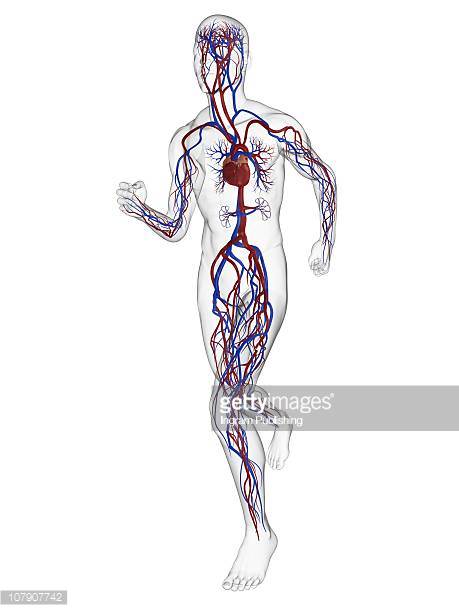
What is the main organ of the circulatory system?
small intestine
bone
lungs
heart
Arteries carry oxygen rich blood away from the heart.
True
False
Veins carry oxygen poor blood back to the heart.
False
True
The job of the heart is to . . .
pump blood around the body.
send food to the small intestines.
break down food.
give energy to the body.

Which of the following is a function of blood?
carry saliva to the mouth
transport nutrients and oxygen to cells
excrete salts from the body
feeds vampires
Tube lined with strong, C-shaped rings of cartilage and lined with cilia.
alveoli
lungs
bronchi
trachea
Veins always carry blood______________________ the heart.
away from
through
toward
around
Which waste is eliminated by interactions between the respiratory and circulatory systems?
Carbon Dioxide
Water
Salt
Oxygen
When the gases inside the lungs are pushed out through air passages you .
inhale
exhale

What makes up around 55% of the blood?
Plasma
Red Blood Cells
White Blood Cells
Platelets
What carries oxygen around the body?
Plasma
Red Blood Cells
Platelets
White Blood Cells
What is the function (job) of the platelets?
To form clots (i.e. scabs) when you have cuts and grazes.
To transport oxygen to the muscles
To carry dissolved sugars.
To produce antibodies
What is the function (job) of the white blood cells?
To transport oxygen around the body.
To carry dissolved sugars.
To clot and cover wounds like cuts and grazes.
To release antibodies to help destroy infections.
What is the function (job) of the plasma?
To release antibodies to fight infections.
To transport oxygen around the body.
To carry dissolved nutrients and sugars.
To transport oxygen around the body.
What is the function (job) of the red blood cells?
To transport oxygen around the body and to the muscles.
To release antibodies to fight infections.
To carry dissolved nutrients and sugars.
To clot and form scabs if there is a wound on the body.
What type of blood do the arteries usually carry?
Oxygenated Blood
Deoxygenated Blood

What is blood made of?
oxygen and plasma
red blood cells and white blood cells
plasma, red blood cells, white blood cells, and platelets.
plasma and platelets
What are the products of respiration?
Carbon Dioxide and Energy
Lactic Acid
Water and Carbon Dioxide
Glycogen and Carbon Dioxide
Where in the body does respiration take place? Select the best answer.
The lungs
The muscles
All cells
The blood
What is the purpose of respiration? Select the best answer.
To release the chemical energy stored in glucose
To generate heat
To produce energy
To absorb oxygen by diffusion

For respiration to take place glucose needs to react with substance A. Select substance A.
Carbon dioxide
Water
Oxygen
Ozone

