
NEW
Font size
 Worksheets
KS3 Climate and Earths resourses
Total questions: 30
Worksheet time: 17mins

What is the second Earth's layer?
Core
Earth's surface
Outer crust
Mantle


Which of these is a natural resources?
water
steel
plastic
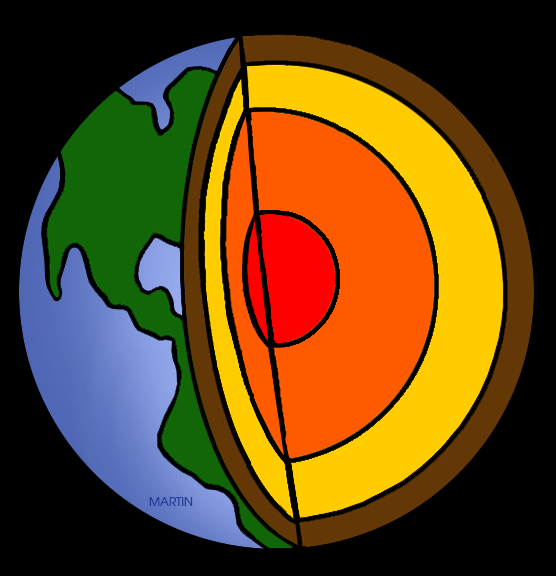
Which layer is shown in red?
crust
mantle
outer core
inner core
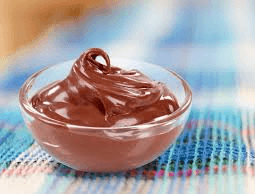
Which layer is made of "flowing" solid rock (think clay or pudding)?
crust
mantle
outer core
inner core

Which layer of the Earth is the THINNEST?
crust
mantle
outer core
inner core

Which layer is the hottest?
crust
mantle
outer core
inner core

Which is the process that breaks up rock on Earth’s surface?
deposition
melting
compaction
weathering

Geologists have classified rocks into three major groups of rocks which are:
inorganic, organic and chemical rocks
igneous, sedimentary and metamorphic rocks
metamorphic, chemical and non chemical rocks
sedimentary, inorganic and igneous rocks

Any rock that forms from another rock as a result of changes in heat or pressure (or both) is a:
chemical rock
igneous rock
sedimentary rock
metamorphic rock

A rock that forms from many small fragments of other rocks is a(n)
igneous rock
metamorphic rock
sedimentary rock
extrusive rock

Where is magma?
inside a volcano
outside a volcano
In Minecraft

How is Pumice used?
countertops
skin abrasive
gravel
weapons

Rocks formed from cooling lava and found at the base of an inactive volcano.
Igneous
Metamorphic
Sedimentary
Magical unicorn rock

How does freezing water cause the weathering of rocks? The freezing water—
keeps the rocks in place
makes the rocks last longer
expands cracks and breaks rocks
causes rocks to fall in landslides
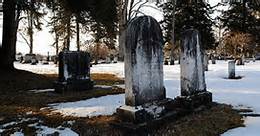

A metal statue slowly turning green after years of being outside is an example of:
mechanical weathering
chemical weathering
Erosion
Biological weathering


The air is mainly made up of ........
nitrogen
oxygen
carbon dioxide
Happyness

Plants use what gas in photosynthesis?
carbon dioxide
oxygen
helium
Nitrogen

What gas do animals use from the air?
carbon dioxide
oxygen
helium

What gas in the air is causing global warming?
carbon dioxide
oxygen
helium

What layer protects us from the sun's harmful rays?
protection layer
ozone layer
atmospheric layer

What do we call harmful gases in the air?
solution
creation
pollution

Combustion is another word for _______________.
a train
a bus
a dog
burning

What does not produce carbon dioxide?
Photosynthesis
Burning Fossil Fuels
Animal respiration
Plants decaying

Bacterias that decompose dead plants release _____________ back into the atmosphere.
water
nitrogen
oxygen
carbon

