
 Worksheets
Reproduction 1A1
Total questions: 12
Worksheet time: 11mins
What is reproduction?
Biological process by which non-living organisms produce offsprings
Biological process by which zombies produce more zombies
Biological process by which living organisms produce offsprings
Biological process of killing offsprings
What is the importance or reproduction?
It ensures that no more offsprings are produced
It ensures continued existence of species
Living organisms can have fun
It helps to extinct a specie
What are the two types of reproduction?
Sexual and functional
Asexual and conditional
Sexual and menstrual
Asexual and sexual
The female gametes are known as:
Milk
Ovum
Sperm
Cheese
How many parents are required for asexual reproduction?
none
1
2
4
How do bacteria reproduce?
mitosis
budding
binary fission
regeneration
Which organisms reproduce by budding? Click all that apply.
hydra
earthworm
bacteria
yeast cells
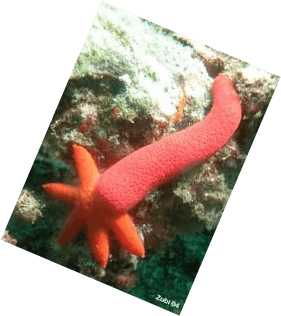
Fishermen work hard to catch and remove all the starfish that get into their favorite shell fishing beds and the “underwater farms” where they raise clams and oysters. In the past, they put the starfish into their boats, cut them up with knives, and then throw the pieces of starfish overboard. They thought this would kill the starfish. What they did not know was that each piece of starfish will grow into a whole new animal.

This is an example of asexual reproduction by...
budding
binary fission
sporulation
vegetative propagation



