
 Worksheets
Chapter 5 The Earth and The Rock
Total questions: 30
Worksheet time: 15mins
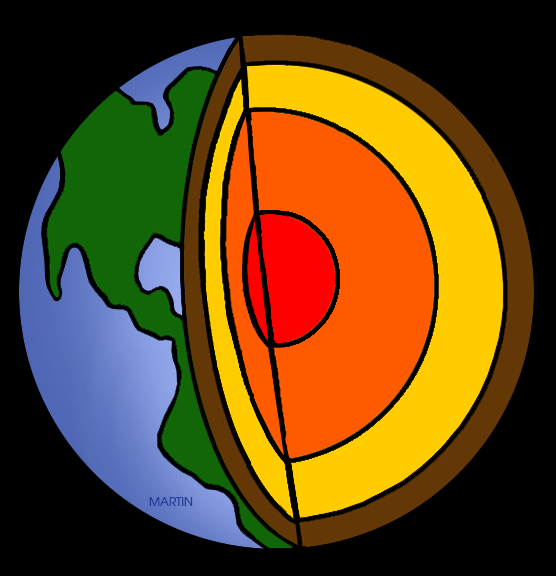
Which layer is shown in brown?
crust
mantle
outer core
inner core
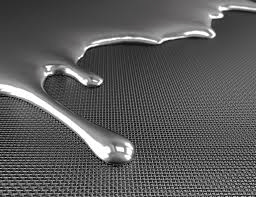
Which layer is made up mainly of LIQUID iron and nickel?
crust
mantle
outer core
inner core
Which layer is the hottest?
crust
mantle
outer core
inner core
This rock was formed when magma cooled into a solid. What type of rock is it?
Igneous Rock
Metamorphic Rock
Sedimentary Rock
None of these
Which layer is the coolest?
crust
mantle
outer core
inner core
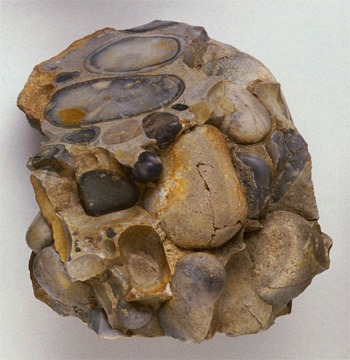
When the weight of the layers above squash the sediment together tightly, this is called ____________.
Compaction
Cementation
Weathering
Erosion

The process when rocks break into smaller pieces due to exposure to natural elements is called
transportation
weathering
cementation
deposition

What process is used to form sedimentary rocks?
Lava cools and hardens to form a rock.
Weathering, Transportation, Deposition, Compaction, Cementation
Extreme heat and pressure from inside the Earth turn rocks into new rocks.
Magma trapped under the Earth's surface cools and solidifies.

Hot, molten rock inside the earth is called ...
lava
magma
igneous rock
minerals
What kind of igneous rock usually contains large crystals?
limestone
gneiss
basalt
granite
Which is NOT examples of sedimentary rocks?
limestone
claystone
sandstone
basalt
Which is NOT examples of metamorphic rock?
granite
gneiss
slate
marble
Which is NOT properties of marble?
Is an metamorphic rock
Smooth surface
Made up of grains
No fossils
Sedimentary rock can be identified by doing these tests, except:
Look at the rock through hand lens
Try scratching the rock
Place the rock in a beaker of acid
Place a few drops of water on the rock
Physical weathering is caused by the effects of changing temperature on rocks.
True
False
This process happens when sediments stop moving away from their original rock and settle in layers, is called .
Compaction
Deposition
Transportation
Weathering
The metamorphic rock __________ usually forms when limestone is subjected to heat and pressure deep beneath the surface.
marble
slate
sandstone
gneiss

