
 Worksheets
Pollution and pollutants
Total questions: 34
Worksheet time: 36mins
What is the pollutant?
source: burning of coal and oil, esp. coal from E. US some industrial processes
health effects: breathing problems, lung damage
environmental effects: ingredient in acid rain
NOx
SO2
CO
particulate matter
What is the pollutant? The principal component of smog
Source: Chemical reaction of VOCs and NOx
Health effects: breathing problems, reduced lung capacity, asthma, eye irritation, reduced resistance to disease
Environmental effects: can damage plants
Pb
CO
SO2
O3
What is the pollutant?
Source: burning of fossil fuels
Health effects: Reduces the ability of blood to bring oxygen to the body cells and tissues.
Environmental effects: May interfere with the breathing of animals
Pb
VOCs
CO
SO2
What is the pollutant? A smog forming group of molecules
Source: are released from burning fuel (fossil fuels or biomass), solvents, paints glues and other commonly used products. They include benzene, methane, formaldehyde and others
Health effects: In addition to smog (ozone) effects, some are carcinogenic
Environmental effects: affects some plants directly in addition to smog effects
PM (particulate matter)
VOCs
CO
Pb

What are the pollutants known to cause acid rain?
Carbon dioxide
nitrogen oxides and sulfur dioxide
Carbon monoxide
Methylmercury
______________ ______________ is produced when fuels containing sulfur are burned in the presence of oxygen.
Carbon dioxide
Sulfur dioxide
Carbon monoxide
Greenhouse gas
What is the major cause for air pollution?
deforestation
oil spills
transportation
cigarretes

another word for "man-made"
angenic
arthroscopic
carbon monoxide
anthropogenic
Which environmental problem is caused by the release of particulates into the atmosphere?
Global warming
Global dimming
Acid rain
Depletion of the ozone layer
Develop slowly due to long-term exposure to contaminants in water, food, or the environment.
acute effects
chronic effects
bioaccumulation
biomagnification
Caused by exposure to a single dose
acute effects
chronic effects
bioaccumulation
biomagnification
Dose causing death of half of the organisms exposed at this level.
LD50
LC50
TC50
TD50
Indicates how poisonous a substance is to biological organisms
toxicity
acute effects
chronic effects
bioaccumulation
Which of the following concentrations is higher? (ppm= part per million)
0.2 ppm
2.2 ppm
20.2 ppm
200 ppm
What is more dangerous LD50 of
0.04 ppm
1.29 ppm
1.04 ppm
0.40 ppm
Causes some chemicals to concentrate in animal fat
acute effects
bioaccumulation
biomagnification
chronic effects
Chemicals build up through the food chain
acute effects
bioaccumulation
biomagnification
dose
Total amount of chemical that an individual eats, drinks, breathes, or absorbs through the skin.
exposure
dosage
toxicity
degradation
Means coming in contact with a chemical through food, water, air, or other sources.
exposure
dose
toxicity
degradation

Pollution that comes from MANY different places and is hard to identify its source.
Point
Non-Point

Containers at a food processing plant leaking fat and animal juices
Point
Non-Point
An underground water supply is...
erosion
river
water shed
aquifer
Allowing liquids to pass through, such as water through the ground
permeable
pollution
impermeable
yup, you know it
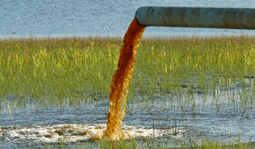
_________ sources of water pollution are relatively easy to monitor and regulate, while _____________ sources of water pollution are difficult to monitor and clean up.
Domestic; industrial
Primary; tertiary pollutant
Point; nonpoint
Nonpoint; point

Mercury and Lead are examples of what?
types of rocks
heavy metals
sea life
types of trees
A disturbance of silent environment with harsh loud noises.
thermal pollution
air pollution
sound pollution
light pollution
Which disease was caused by mercury poisoning?
Minema Disease
Minamata Disease
Motor Neuron Disease
Myan Disease
What organisms end up with the highest levels of mercury?


Toxins ingested at a higher rate than they are eliminated is the definition of?
Bioaccumulation
Biomagnification

