
 Worksheets
Biomolecules
Total questions: 15
Worksheet time: 15mins
Glucose does not react with
NH2OH
Conc. HNO3
(CH3CO)2O
NaHSO3
Glucose on oxidation with Br2(aq) gives
Gluconic acid
Tartaric acid
Sachharic acid
Meso-oxalic acid
In aqueous solution, an amino acid exist as
cation
anion
zwitter ion
neutral molecule
Proteins are found to have two different types of secondary structures viz. α-helix and β-pIeated sheet structure, α-helix structure of protein is stabilised by
Peptide bonds
van der Waals forces
Hydrogen bonds
Dipole-dipole interactions
Nucleic acids are the polymers of __________ .
Nucleosides
Nucleotides
Bases
Sugars
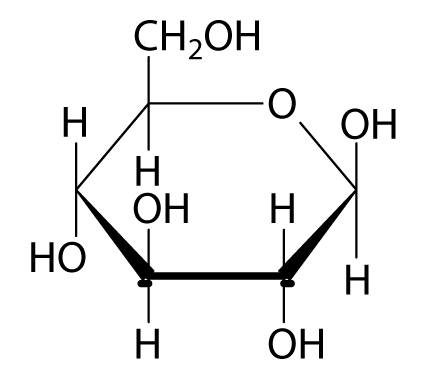
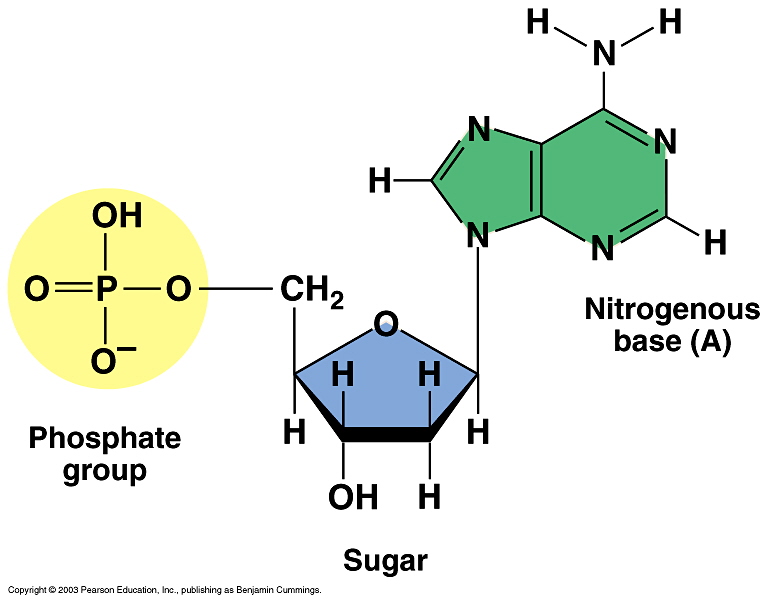
Each polypeptide in a protein has aminoacids linked with each other in a specific sequence. This sequence of amino acids is said to be __________ .
primary structure of proteins.
secondary structure of proteins
tertiary structure of proteins.
quaternary structure of proteins.
α-D (+) glucose and β-D (+) – glucose are
Enantiomers
Geometrical isomers
Anomers
Epimers
The sugar present in milk is
Sucrose
Maltose
Glucose
lactose
Keratin present in hair is an example of
Fibrous protein
Globular protein
Conjugated protein
Derived protein
DNA and RNA differ in
Sugar
Purines
Pyrimidines
Both (a) and (c)
Carbohydrates are classified on the basis of their behaviour on hydrolysis and also as reducing or non-reducing sugar. Sucrose is a __________ .
monosaccharide
reducing sugar
non-reducing sugar
polysaccharide
Which of the following reactions of glucose can be explained only by its cyclic structure?
Glucose forms pentaacetate
Glucose reacts with hydroxylamine to form an oxime.
Pentaacetate of glucose does not react with hydroxylamine.
Glucose is oxidised by nitric acid to gluconic acid

