Wayground logo

Free Printable Worksheets

Font size

S
M
L
XL
Worksheets

Body Systems/Cavities and Anatomical Terms

Total questions: 25

Worksheet time: 16mins

Name
Class
Date
1.

What is the correct order of organization?

a)

cells->tissue->organs->organ systems-> organism

b)

tissue->cells->organs->organ systems-> organism

c)

organs->organ systems-> organism->cells->tissue

2.
Which system takes oxygen into the body and eliminates carbon dioxide?
a)
immune
b)
nervous
c)
respiratory
d)
circulatory
3.
Which system enables the body to move, moves food through the digestive system, and keeps the heart beating?
a)
skeletal 
b)
muscular
c)
digestive
d)
nervous
4.
Which system takes food into the body, breaks down food, and absorbs the digested materials?
a)
respiratory
b)
circulatory
c)
digestive
d)
excretory
5.
Which system detects information from the environment and directs the way your body responds to this information?
a)
excretory
b)
circulatory
c)
respiratory
d)
nervous
6.

Which system collects and removes wastes from the blood?

a)

Muscular

b)

Circulatory

c)

Digestive

d)

Excretory

7.
Which system carries needed materials to the body cells and carries wastes away from the body cells?
a)
Circulatory
b)
Digestive
c)
Nervous
d)
Excretory
8.

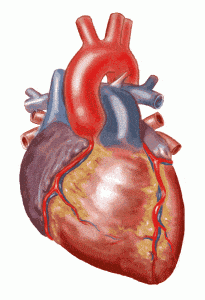
This is a example of a(n)...

a)

cell

b)

organ system

c)

organ

d)

tissue

9.
When tissues come together, they form ___________.
a)
cells
b)
atoms
c)
organs
d)
systems
10.
A(n) _________ is made of small parts connected together to make a whole.
a)
system
b)
problem
c)
evidence
d)
illustration
11.

Which level of organization are you at?

a)

Tissue

b)

Organ

c)

Organ System

d)

Organism

12.

Body cavity that contains the heart

a)

abdominal

b)

pericardial

c)

pelvic

d)

pleural

13.

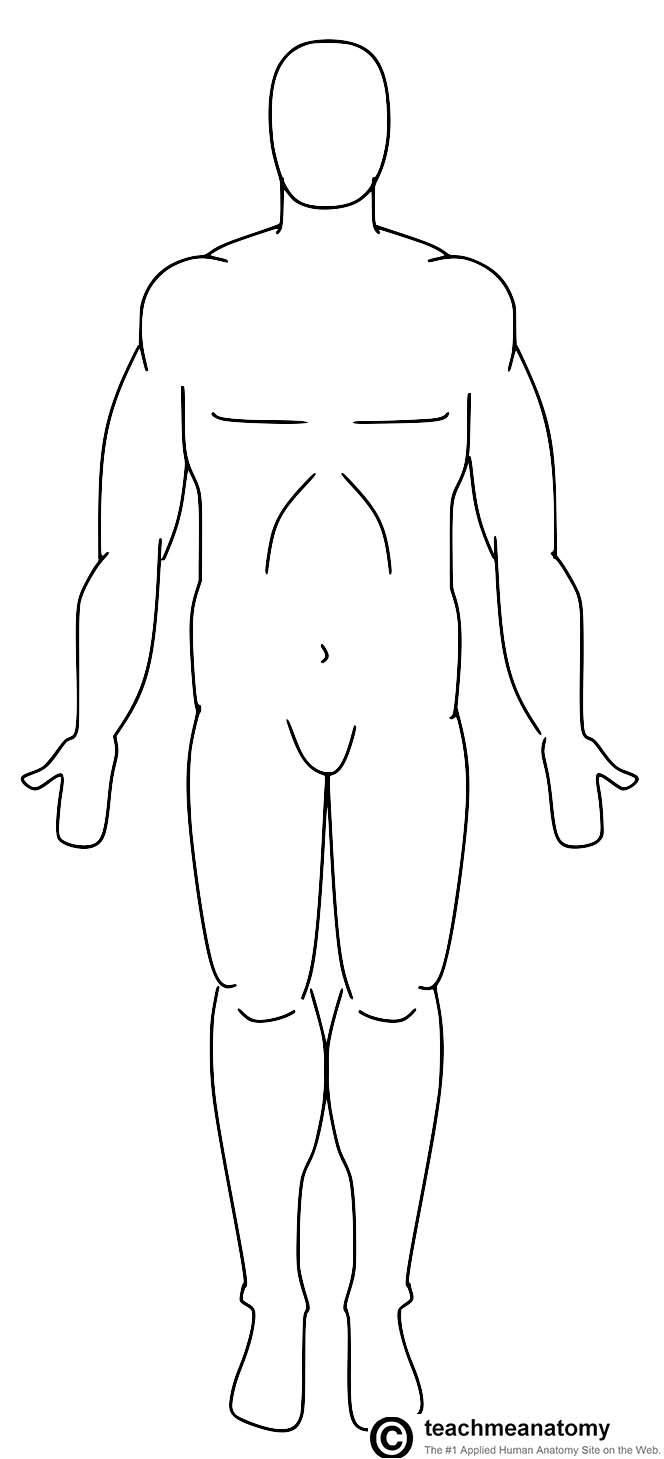
Number 1

a)

thoracic cavity

b)

pleural cavity

c)

cranial cavity

d)

pelvic cavity

14.

Letter C

a)

pleural cavity

b)

pericardial cavity

c)

abdominal cavity

d)

pelvic cavity

15.

Number 3

a)

pericardial cavity

b)

pleural cavity

c)

pelvic cavity

d)

abdominal cavity

16.

Letter d

a)

thoracic cavity

b)

pericardial cavity

c)

pleural cavity

d)

abdominal cavity

17.

Number 4

a)

abdominal cavity

b)

pelvic cavity

c)

spinal cavity

d)

cranial cavity

18.

What anatomical structure is labeled e?

a)

lungs

b)

heart

c)

diaphragm

d)

stomach

19.

Which of the following is NOT found in #3?

a)

small intestine

b)

large intestine

c)

liver

d)

lungs

20.
This term is used only on the limbs (arms and legs)
a)
Proximal
b)
Deep
c)
Anterior
d)
Posterior
21.
The term used to describe a body part closer to the surface of the body than another
a)
Top
b)
Distal
c)
Superficial
d)
Plantar
22.
In the anatomical position, the palms are facing-
a)
forward
b)
backward
23.
The right shoulder is ______ to the sternum.
a)
medial
b)
proximal
c)
distal
d)
lateral
24.
The head is ______ to the chest.
a)
superior
b)
dorsal
c)
inferior
d)
ventral
25.
The knee is _______ to the ankle.
a)
proximal
b)
lateral
c)
distal
d)
medial