
 Worksheets
NS - Grade 4 September Revision
Total questions: 35
Worksheet time: 33mins

Water is boiled in a kettle. The state of matter of the water changes from ...
liquid to solid
solid to liquid
gas to liquid
liquid to gas
Energy can be harmful.
True
False

Humans get their energy from ...
(a)
Which form of energy is produced when someone claps their hands?
Chemical energy
Electrical energy
Light energy
Sound energy

The properties of a cat's fur are ...
hard
soft
fluffy
transparent
Switching a light on in a dark room shows electrical energy changing to ..... and .... energy.
heat
sound
light
movement

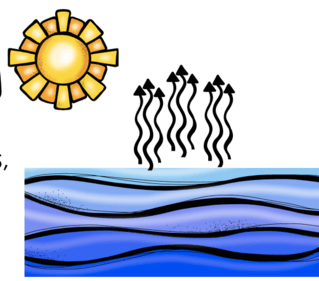

What phase of matter is water?
solid
liquid
gas

STONE : Name the state of this matter.
(a)
Raw materials are
materials that have been changed from their original form.
materials that are found naturally in the environment and nature.
materials that have been made by man.
These are examples of manufactured materials:
sand
plastic
petrol
leather
wood
Sand is a very useful material that can be used to make (a) .
Which of the following are examples of manufactured materials?


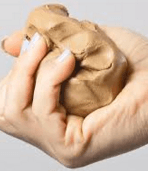
Which picture is showing us clay?

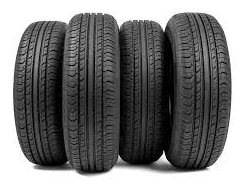
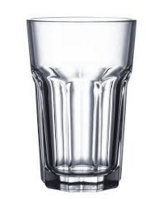
Which of the following objects are waterproof? There are three.


Which of these are properties of glass?
Bendy
Transparent
Dull
What is the best definition for manufacturing?
Creating raw materials from finished products
Changing materials into structures
Changing raw materials into finished products
Things that are made in a factory

Name the process in the paper making process where once trees reach a certain height, they are cut down.
harvest
landfill
paper mill
paper sorting
Name the paper making process where used paper can be collected and used again.
pulp mill
printers
recycling
transport

We can see ultraviolet rays.
True
False
The sun is the closest star to the Earth.
True
False


"The ability to make things happen" is the definition of what word?
motion
energy
friction
matter

Identify the energy transfer
chemical to kinetic
solar to electrical
thermal to light
electrical to light

When you eat food, your body gains ___________ energy.
electrical
chemical
thermal
light

What type of energy can be sensed by the eyes?
sound
thermal
electrical
light
Which of the following involves electrical energy being transferred into heat energy?
A heavy box being lifted off a table
firecrackers exploding in the sky
baking bread in the oven
a wax candle burning

