
NEW
Font size
 Worksheets
Module 1 Quiz
Total questions: 15
Worksheet time: 15mins

An observation is different from an inference since:
Inferences always lead to experiments, observations do not
Observations do not temporarily explain something like inferences do
You make thousands of observations daily, but less inferences
Inferences can be proven, observations cannot be
Observations:
Require inferencing to be made
Do not lead to inferences
Are made using your senses
Only take place prior to hypothesis formation
This leads to that.
Observations lead to an inference
Inferences lead to an observation
Which of the following is an example of an inference:
The fish are small and seem to look the same
The water is shallow and very clear
It is a sandy and bare ecosystem
The fish are hiding from a possible predator
Which of the following is an example of an observation:
Hurricanes seem to make rough waves
The waves are rough today
Hurricanes lose strength over land
Hurricanes rotate since the Earth also rotates
Which of the following is an example of an inference:
Birds diving into the ocean means there are small fish there
Birds flying over the ocean typically do not flap their wings
Oceanic birds are larger than land birds
The fish is floating very still under the floating seaweed
Which of the following is an example of an observation:
The ocean creates foam when there are rough waves
The seaweed grows best with nutrients
The seaweed floats on the ocean water
The stronger the winds the bigger the waves are
An inferences is different from an observation since:
Inferences are made with your senses
You make thousands of inferences daily, more so than observations
It helps to explain something to make sense out of it, observations do not do that.
Inferencing comes before observation, and it starts the process of science.

Which step of the scientific method does this represent:
Susan said, “If I fertilize my geranium plants, they will blossom.”
recognize a problem
test the hypothesis with an experiment
form a hypothesis
draw conclusions
Which step of the scientific method does this represent:
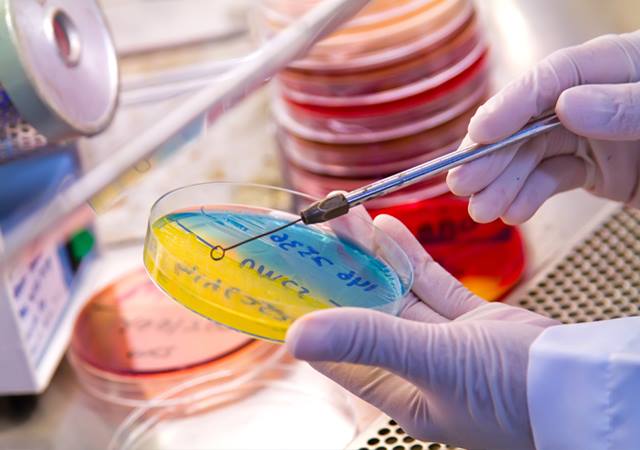
Rene grew bacteria from the mouth on special plates in the laboratory. She placed drops of different mouthwashes on bacteria on each plate.
recognize a problem
test the hypothesis with an experiment
form a hypothesis
draw conclusions
Which step of the scientific method does this represent:
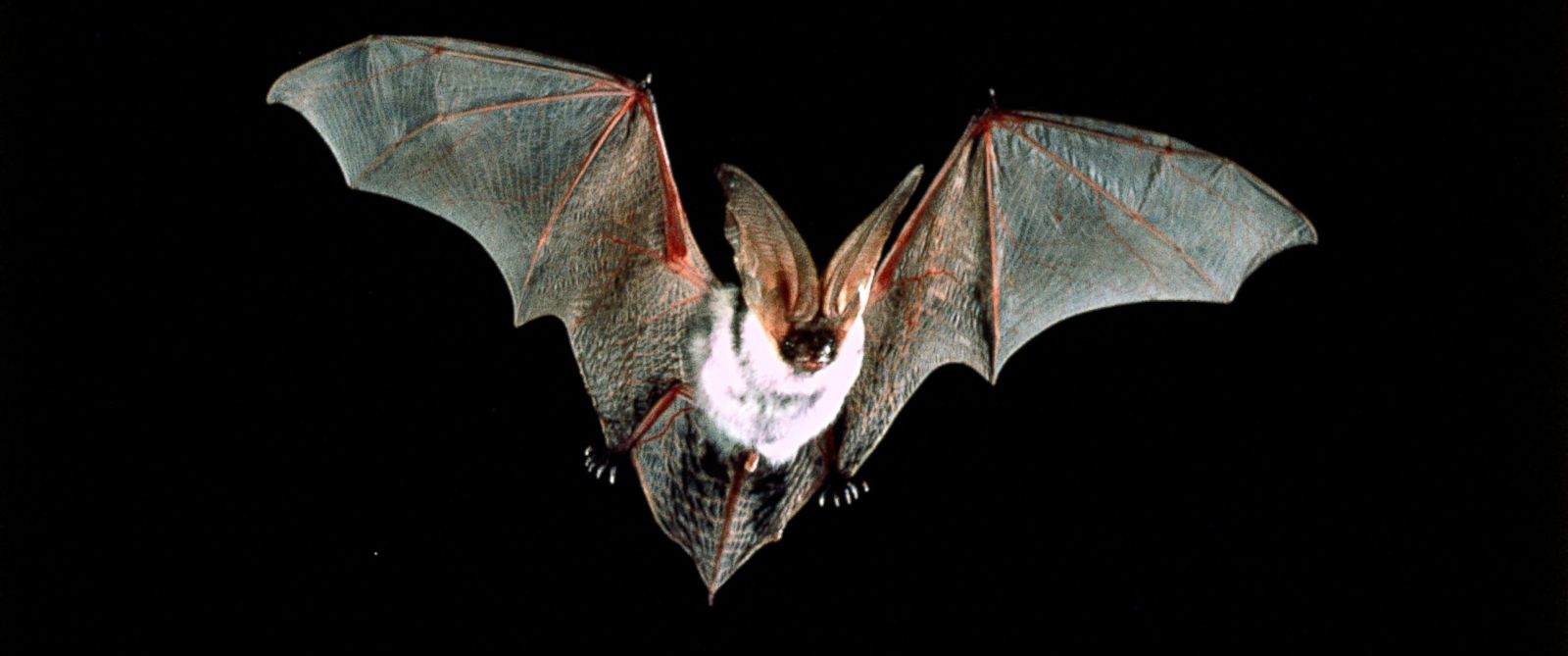
Jose saw bats catching insects after dark. He asked, “How do bats find insects in the dark?”
recognize a problem
test the hypothesis with an experiment
form a hypothesis
draw conclusions
Which step of the scientific method does this represent:
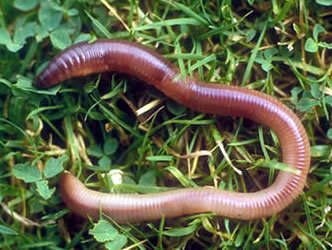
Angela’s experiment proved that earthworms move away from light.
recognize a problem
test the hypothesis with an experiment
form a hypothesis
draw conclusions

